







An Ambitious Conservation Plan
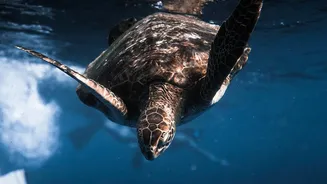
The Goa Forest Department has submitted a proposal to the Department of Environment and Climate Change to declare 24 beaches—10 in North Goa and 14 in South Goa—as official turtle nesting sites under the Coastal Regulation Zone (CRZ) Notification, 2019.
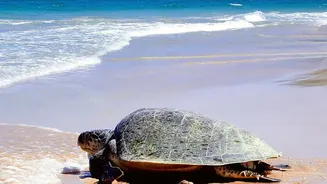
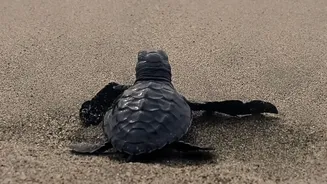
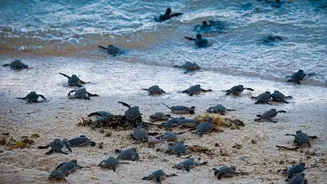
This move aims to provide a higher degree of legal protection to the Olive Ridley turtles that visit these shores annually to lay their eggs. The list includes popular tourist destinations like Calangute, Baga, Candolim, and Palolem, alongside well-known nesting habitats such as Morjim, Mandrem, Agonda, and Galgibaga. The proposal is partly driven by concerns over a recent decline in nesting numbers compared to previous years. By classifying these areas, the government can implement a more structured and legally enforceable conservation plan.
What New Rules Could Mean
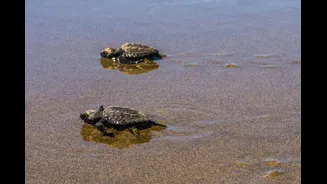
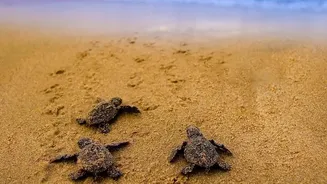
Designating these beaches as official nesting sites would likely lead to stricter regulations, especially during the nesting season which typically runs from November to April. Potential restrictions could heavily impact Goa's tourism-centric economy by placing controls on beach shacks, nighttime activities, loud music, and artificial lighting. Artificial lights are a major threat, as they can disorient female turtles looking for a place to nest and confuse hatchlings, who rely on the natural brightness of the horizon over the sea to find their way to the water. Other measures could include bans on beach weddings, bonfires, and vehicle movement on the sand to prevent the destruction of nests and disturbance to the turtles.
The Delicate Balance: Tourism vs. Turtles
The proposal has sparked a crucial debate among stakeholders. While everyone acknowledges the importance of protecting the endangered Olive Ridley turtles, which are a Schedule I species under India's Wildlife (Protection) Act, business owners are worried. The Secretary of the Shack Owners Welfare Society, John Lobo, expressed concern that the move could negatively affect the entire tourism industry and the livelihoods dependent on it. Fishermen have also raised alarms that the new rules could spell the end for traditional fishing practices. They argue that conservation and tourism should coexist, and are seeking clarity from authorities on what will be permitted. The challenge lies in finding a middle ground that protects the fragile ecosystem without crippling the local economy that, in many ways, has also helped promote Goa's turtles as an attraction.
A History of Community and Conflict
Turtle conservation in Goa isn't new; it has a long history of community involvement, sometimes with state support. In places like Morjim, local villagers and volunteers have worked for years to protect nests from poachers and other threats, often in collaboration with the Forest Department. However, the relationship between conservation and commerce has often been fraught with tension. High Court orders in the past have led to the closure of structures violating CRZ norms in nesting areas like Agonda, causing economic hardship and protests from locals. This new, broader proposal brings these long-simmering issues to the forefront, making a collaborative framework more critical than ever to avoid eroding the community cooperation that conservation often depends on.
The Path Forward
The Forest Department's proposal is currently with the environment department for consideration. The final details regarding which beaches will be selected, the specific operational restrictions, and how they will be enforced are yet to be clarified. At the same time, some of the very same beaches, like Mandrem and Galgibaga, are being considered for prestigious Blue Flag certification, an international eco-label for well-managed beaches. This presents a unique administrative challenge, as the goals of attracting tourism through certification must be carefully coordinated with the restrictive needs of turtle conservation. Ultimately, the success of this plan will depend on a coordinated effort between government departments, local communities, and the tourism industry to ensure that both Goa's visitors and its oldest marine guests can continue to share its beautiful shores.