






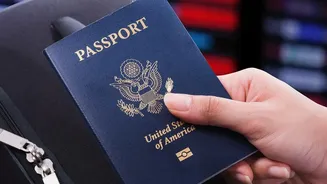

9-12 Months Out: Dream, Budget, and Check Your Passport
The first step is the most exciting: deciding where to go. Research destinations that match your interests and budget. Once you have a place (or a few options) in mind, create a realistic budget that covers flights, accommodation, food, activities, and a buffer
for unexpected costs. Most importantly, check your passport. Many countries require your passport to be valid for at least six months from your planned date of entry. If your passport is expiring soon or you don't have one, apply for a new one immediately, as processing can take several months.
6-9 Months Out: Investigate Visas and Start Flight Tracking
With a destination chosen, your next critical task is to determine the visa requirements for Indian citizens. Some countries offer visa-free travel or visa-on-arrival, while others require a lengthy application process. Visit the embassy website of your destination country to understand the specific documents and timelines involved. This is also the perfect time to start monitoring flight prices. Use tools like Google Flights to track fares for your route. While it's too early to book, watching the trends will help you recognise a good deal when you see one.
3-6 Months Out: Book Flights and Key Accommodation
This is often the sweet spot for booking international flights to get a good balance of price and availability. Experts suggest booking international travel at least 90 days in advance. Once your flights are confirmed, move on to booking your accommodation. Popular hotels and rentals can fill up quickly, especially during peak season, so locking in your stay gives you peace of mind and often better choices. When booking, double-check that the name on your ticket exactly matches your passport.
1-3 Months Out: Secure Insurance and Draft an Itinerary
Do not travel internationally without comprehensive travel insurance. A good policy covers medical emergencies, trip cancellations, lost luggage, and other unforeseen issues. Your regular health insurance may not cover you abroad, so this step is non-negotiable. With the major bookings out of the way, you can start planning the fun part: your itinerary. Research key attractions, book any high-demand tours or train tickets, and create a loose schedule for your days. Leave some room for spontaneity; the best travel memories often come from unplanned discoveries.
The Final Month: Manage Money and Practicalities
A month before you leave, sort out your finances. Inform your bank and credit card companies of your travel dates to prevent them from flagging your overseas transactions as suspicious. It's wise to carry a mix of payment methods: a credit card with no foreign transaction fees, a debit card, and a small amount of local currency for immediate expenses like taxis or snacks upon arrival. Also, check with your mobile provider about international roaming plans or consider buying a local SIM or an eSIM upon arrival to avoid high data charges.
The Final Week: Pack and Perform Final Checks
The final week is for wrapping up loose ends. Pack your bags, making sure to check airline luggage weight and size limits. Keep essential items like medications, a change of clothes, and travel documents in your carry-on luggage. Make digital and physical copies of your passport, visa, flight confirmations, and insurance policy. Download offline maps and any entertainment for your flight. The day before you fly, reconfirm your flight status and arrangements for getting to the airport. Now, all that's left is to get excited for your adventure.