




The Staggering National Bill
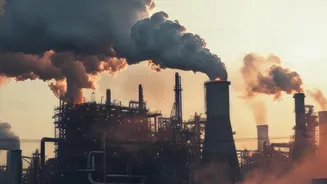
The true cost of India's toxic air is measured in more than just respiratory illnesses; it is measured in trillions of rupees. According to a 2024 assessment by Dalberg Advisors and the Clean Air Fund, air pollution cost India an estimated $260 billion,
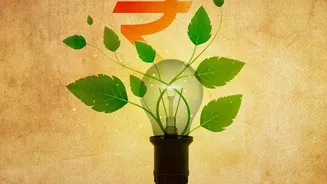
or roughly 6% of its GDP. Other reports, including one from FICCI-EY, place the annual economic loss even higher, at up to 9.5% of GDP. This staggering figure arises from a complex web of interconnected losses, including skyrocketing healthcare expenses, diminished worker productivity, and lost business opportunities. The World Bank has also highlighted the significant drag on the economy, noting that pollution imposes persistent, long-term erosion of growth that far exceeds the economic shock of factors like trade tariffs.
A Deepening Public Health Crisis
At the heart of the economic burden is a devastating public health crisis. Air pollution was linked to over 1.7 million premature deaths in India in 2022, according to a Lancet report. These are not just statistics; they represent a loss of human capital that directly shrinks the nation's workforce. The financial strain on the healthcare system is immense. In 2024, direct healthcare expenses related to pollution, including costs borne by households and the government, were estimated at $12.3 billion. Much of this is paid out-of-pocket by families, with one study noting that such payments account for nearly half of all health expenditure in the country, turning a national crisis into a household budget problem.
Productivity and Labour Losses
The economic damage extends deep into the workplace. Businesses lose an estimated $95 billion annually due to factors like lower productivity and absenteeism. Studies have shown that on days with high pollution, worker efficiency can drop by 8-10%. This is compounded by an estimated 1.3 billion working days lost each year to pollution-related health issues. A significant but often overlooked factor is 'presenteeism'—when employees show up to work while ill but function at a reduced capacity. This hidden cost, where workers are physically present but mentally fatigued or struggling with symptoms, is a major contributor to overall productivity losses. The impact is felt across all sectors, from outdoor labourers in construction and agriculture to indoor workers in call centres.
A Brake on Broader Economic Activity
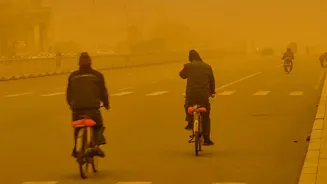
The ripple effects of air pollution dampen the entire economy. Reduced consumer activity and tourism cost India an estimated $74 billion in 2024 as people chose to stay indoors and avoid travel during periods of heavy smog. Furthermore, poor air quality can deter foreign investment, as companies may hesitate to set up operations in cities where pollution poses a risk to their employees and adds operational costs. Even the renewable energy sector is not immune; a 2023 study found that smog blocked sunlight and reduced India's solar power generation by nearly 10%. Research from the World Bank has shown that a median annual increase in PM2.5 levels can reduce a district's year-on-year GDP growth by 0.56 percentage points, creating a compounding drag on economic development.