

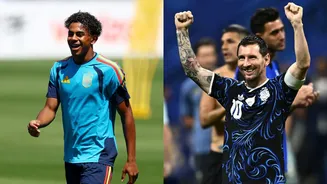


The Unshakeable Foundation
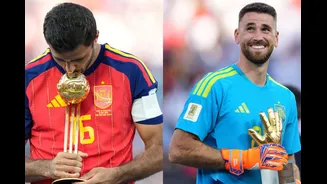
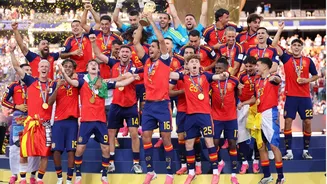
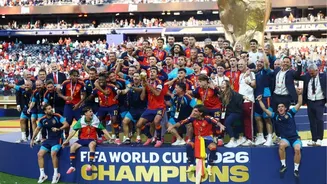
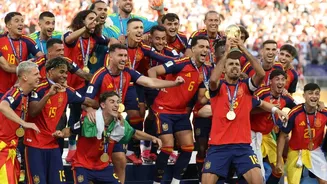
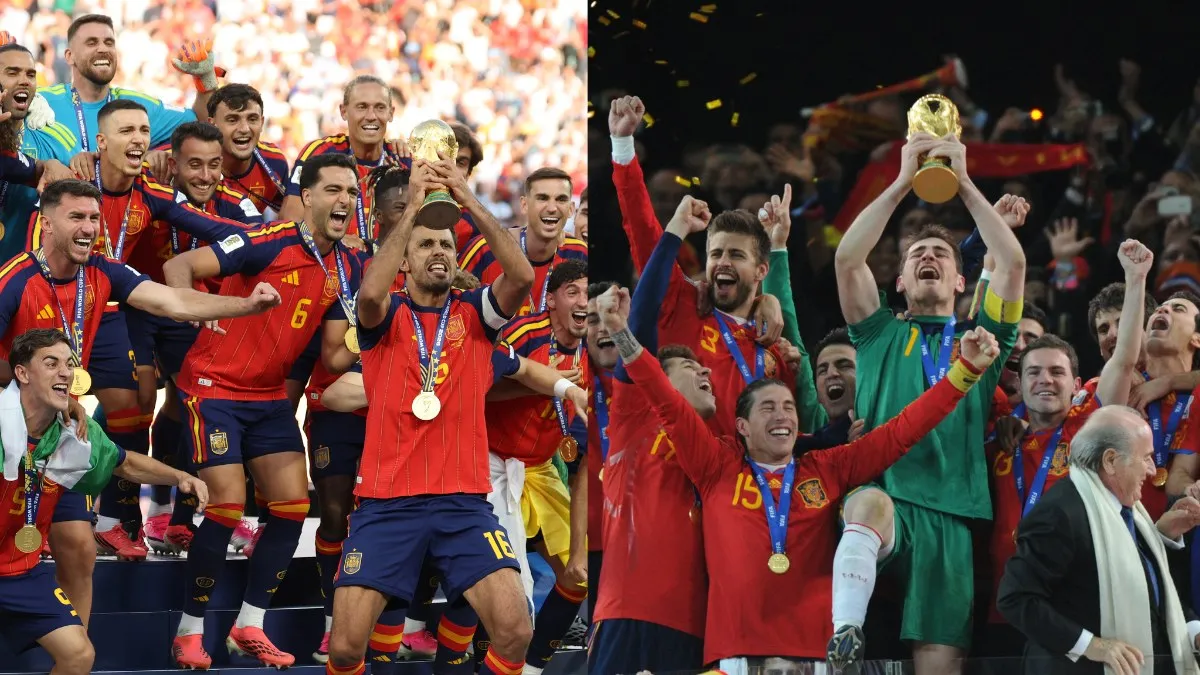
The case for Rodri is built on control, consistency, and a brand of understated dominance that defined Spain's championship run. As the captain and midfield anchor for a team that conceded only one goal in the entire tournament, his influence was omnipresent.
In the 1-0 extra-time final victory against Argentina, Rodri was a machine of efficiency, completing 101 of 105 passes and winning 80% of his duels. He was the steady heartbeat of a team that suffocated opponents, with Spain not allowing a single shot from Argentina until the 117th minute of the final. Throughout the tournament, he led all players in passes completed, tackles won, and high-intensity runs, painting the picture of a player who did the work of two men. While he didn't register a goal or an assist, his supporters argue that his function was more fundamental: to provide the platform upon which victory is built. His performance was a masterclass in dictating tempo and providing the defensive security that allowed Spain's attackers to flourish.
The Case of the Counter-Claims
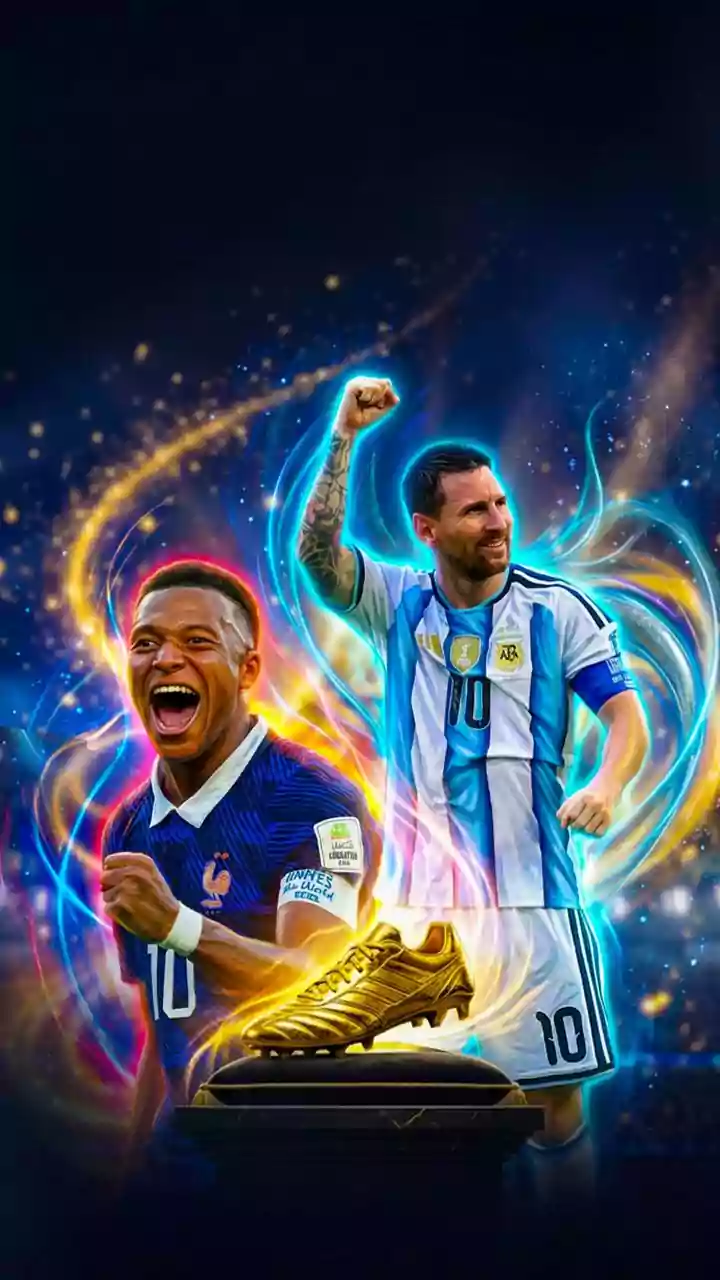
Despite Rodri's undeniable influence, the decision to award him the Golden Ball was met with immediate controversy and chants of "Messi" at the stadium. Lionel Messi, at 39 years old, had a spectacular tournament, carrying Argentina to the final with eight goals and four assists. He was directly involved in 12 of his team's 19 goals and won a record-extending five Player of the Match awards. Many fans and pundits felt his heroics, dragging his team to the final, made him the more deserving candidate. The other major contender was France's Kylian Mbappé, who won the Golden Boot with an incredible 10 goals. His explosive performances, including becoming the World Cup's all-time leading scorer during the tournament, solidified his claim as one of the most devastating attackers in history. Other players like England's Jude Bellingham, who scored seven goals from midfield, also had strong arguments. For many, the Golden Ball should reward the spectacular, and by that measure, Messi and Mbappé were in a class of their own.
Control vs. Chaos: A Philosophical Choice
Ultimately, the debate boils down to a philosophical question about what makes a player 'the best'. Is it the one who produces the most magical, game-breaking moments, or the one who most profoundly controls the entire environment of the match? Messi and Mbappé represent the beautiful chaos of individual genius, capable of deciding a match in a flash. Their statistical outputs in terms of goals and assists were far superior to Rodri's. However, Rodri represents total tactical dominance. He didn't just play in the games; he dictated how they were played. The final was the ultimate evidence: when the two leading candidates, Rodri and Messi, went head-to-head, it was Rodri's game plan that prevailed. Messi was largely anonymous, starved of the ball and space he needed to operate, a testament to the suffocating control exerted by Spain's midfield, led by their captain. The award has a history of going to players from the winning side, but it also has a history of honouring different types of brilliance, from the goalscoring of Paolo Rossi in 1982 to the midfield artistry of Luka Modrić in 2018.
The Verdict: A Justified, If Unpopular, Decision
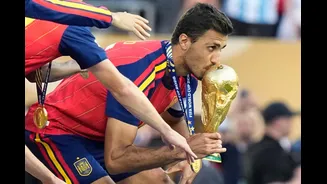
While the romance of a third Golden Ball for Lionel Messi or a first for the record-breaking Kylian Mbappé is compelling, the selection of Rodri is not the injustice some have claimed it to be. It is a sophisticated choice that rewards a different, but equally valid, form of footballing greatness. It acknowledges that in a team sport, the player who makes the entire system function at its peak can be more valuable than the one who provides the finishing touch. Rodri was the architect of the best team in the tournament. He captained the champions, dominated the midfield, shielded the most resilient defence in World Cup history, and was the central nervous system for a side that conquered the world. Messi and Mbappé provided more highlights, but no player had a more complete and consequential impact on the tournament's outcome than Rodri. His Golden Ball is a victory for the conductors over the soloists, a tribute to the idea that controlling the game is more powerful than just decorating it.