








From Passion Project to Profession
Not long ago, the study of heritage was confined to university archives and the passionate work of amateur historians. A degree in history or archaeology often led to a career in academia or the civil services, with few mainstream options in between.
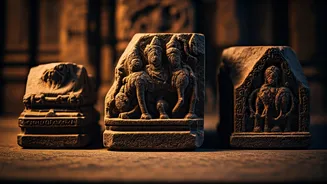
But a significant shift is underway. Heritage management is now emerging as a distinct and professional sector. This evolution is transforming a deep-seated interest in Delhi's monuments, stories, and culture into tangible, paid careers that go far beyond traditional academic roles. The field now demands a mix of historical knowledge and modern management skills, creating a new generation of professionals dedicated to preserving the past.
What's Fuelling the Heritage Boom?
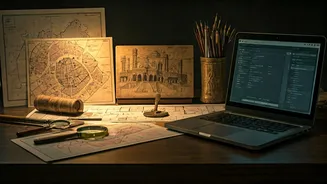
Several factors are driving this professionalization. Firstly, there's a growing awareness, both publicly and within government, of the value of cultural heritage. Initiatives to develop heritage sites for tourism have created a demand for skilled managers who can balance preservation with public access. Secondly, technology has opened up new avenues. Digital archiving, 3D modelling of monuments, and GIS mapping of historical sites are now essential tools, requiring a tech-savvy workforce. Finally, institutions like the Indian National Trust for Art and Cultural Heritage (INTACH) and the Archaeological Survey of India (ASI) are expanding their scope, creating roles that involve community engagement, policy advising, and sustainable conservation strategies. This has created a structured ecosystem where a career in heritage is not just possible, but promising.
The New Heritage Hot Jobs
Forget the stereotype of a lone archaeologist dusting off relics. Today's heritage careers are diverse and dynamic. Museum curators are in demand to manage collections and design engaging exhibitions. Conservation architects are needed to work on the adaptive reuse of historic buildings. Cultural heritage managers oversee the operations of historical sites, while heritage tourism specialists develop tours and visitor experiences. Other emerging roles include policy advisors who work with government bodies, digital heritage specialists who manage online archives, and researchers who contribute to conservation projects. Organisations like the ASI and various private trusts regularly post vacancies for roles ranging from Young Archaeologists to conservators and epigraphists.
Building the Right Skill Set
A successful career in this field requires more than just a love for history. While a Master's degree in Archaeology, History, or a related field is often a prerequisite, employers are increasingly looking for a multidisciplinary skill set. Project management, strong communication skills for community outreach, and financial literacy for budgeting restoration work are highly valued. Technical skills are also crucial. Proficiency with digital tools like GIS for mapping, software for 3D modelling, and database management for archival work can give candidates a significant edge. Many roles also require research and writing skills for creating reports, publications, and exhibition content.
Your Roadmap to a Heritage Career
For those looking to enter the field, Delhi offers a clear pathway. Institutions like the Delhi Institute of Heritage Research and Management, affiliated with Guru Gobind Singh Indraprastha University, offer specialised Master's courses in Archaeology & Heritage Management and Conservation. Dr B.R. Ambedkar University also has a well-regarded MA program in the field. Gaining practical experience is key. INTACH's Delhi chapter offers valuable internship opportunities across various divisions, from architectural heritage to intangible culture. Aspiring professionals should also keep an eye on job portals and the official websites of the ASI and major museums, which regularly advertise openings for both entry-level and experienced positions.