



A World Beyond the Usual
For generations, the rhythm of Indian vegetarian cooking has been defined by a familiar cast of characters. While delicious and comforting, this reliance on a handful of staple vegetables has overshadowed hundreds of hyperlocal and indigenous varieties
that were once central to regional diets. Now, a growing movement among chefs, home cooks, and agricultural advocates is putting these forgotten gems back in the spotlight. This is not just about nostalgia; it’s about rediscovering a richer, more diverse, and incredibly flavourful culinary heritage that has been hiding in plain sight. From the mountains of Kashmir to the coastlines of Kerala, kitchens are coming alive with ingredients that tell a story of place, season, and tradition.
The Return of Desi Greens
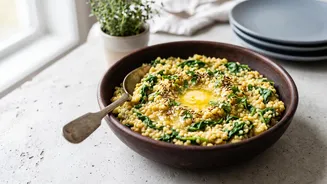
Some of the most exciting rediscoveries are happening with leafy greens, or 'saag'. Beyond spinach and fenugreek, greens like 'bathua' (pigweed) and 'kulfa' (purslane) are re-emerging. Bathua, with its earthy, slightly nutty taste, is a winter delicacy in Northern India and is rich in amino acids and known to be a blood purifier. Kulfa, which has a unique, slightly sour taste, is packed with vitamins and minerals. These greens were once foraged or grown in kitchen gardens, offering unique flavours and textures that can transform a simple dal or sabzi. Other examples include 'gongura' (sorrel leaves), prized in Andhra and Telangana for its distinct tangy flavour, and even the leaves of the turmeric plant, which are used in coastal regions to steam food, infusing it with a delicate, aromatic essence.
Heirloom Vegetables and Ancient Grains
The revival extends to a fascinating array of vegetables and grains. In Rajasthan, 'sangri', a bean from the Khejri tree, is being celebrated for its use in hearty, savoury dishes. In South India, efforts are being made to conserve rare varieties like the clove bean ('mookuthi avarai') and unique local eggplants that offer different flavour profiles from their hybrid cousins. This movement is also bringing ancient grains and millets back to the forefront. Varieties like foxtail millet, pearl millet ('bajra'), and sorghum ('jowar') are being recognized not just for their resilience in farming but for their nutritional benefits and versatility in the kitchen, moving beyond rural staples to become part of the urban culinary scene.
Why This Culinary Renaissance Matters
This trend is about more than just new flavours. It represents a powerful shift towards sustainability and health. By embracing hyperlocal ingredients, we reduce food miles and support local farmers who preserve agricultural biodiversity. These traditional foods are often more nutrient-dense than their commercially farmed counterparts. Moringa leaves, for example, are a powerhouse of protein and vitamins, while berries like sea buckthorn from Ladakh are packed with Vitamin C. Championed by chefs like Prateek Sadhu, who focuses on Himalayan ingredients, and a new generation of culinary experts, this movement is reconnecting Indians with their culinary roots. It’s an exploration of identity, a way of preserving edible memories and ensuring that the richness of India's food culture continues to evolve.