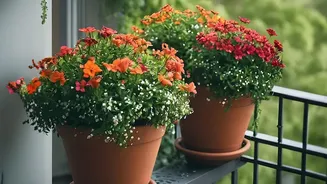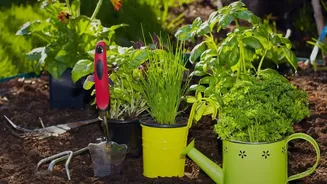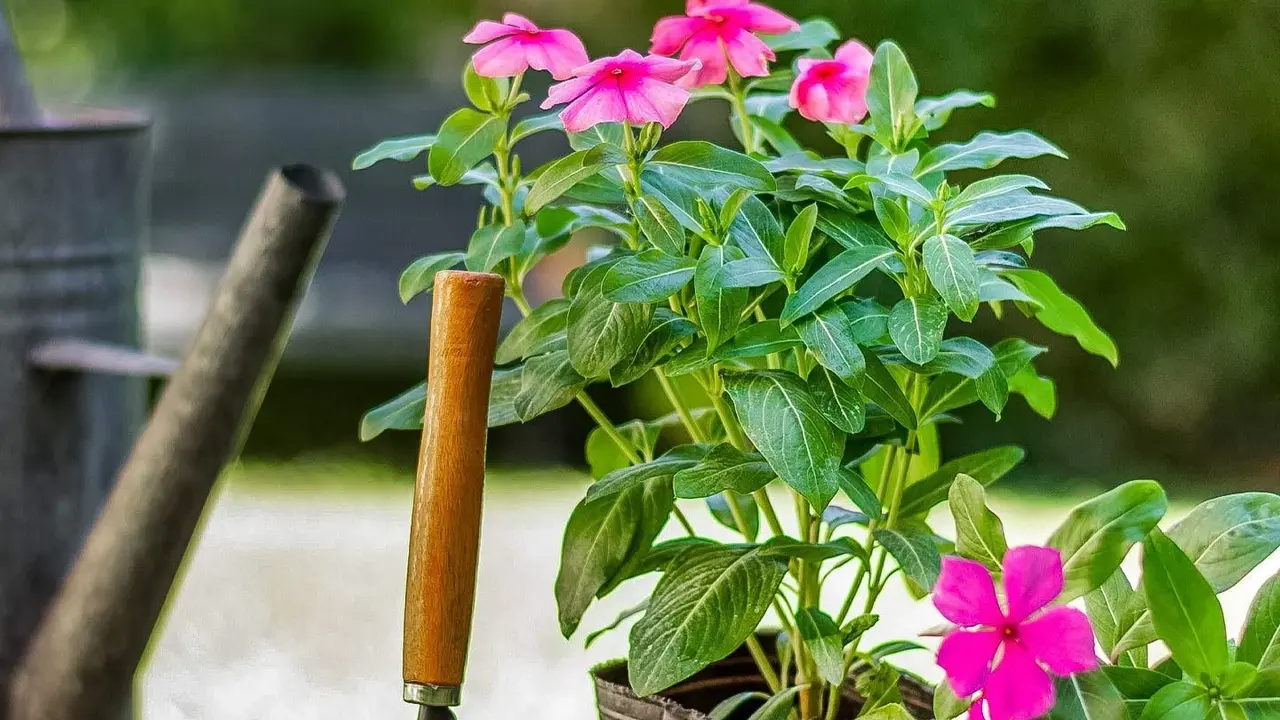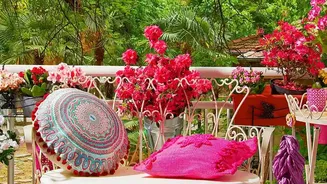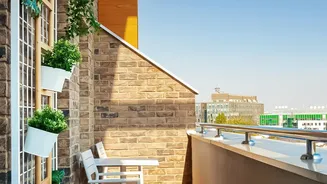






That lush green balcony that was your pride and joy all summer can start to look a little sad as winter sets in. For city dwellers with north-facing flats, this shift is especially harsh. The culprit? The sun's changing winter path.
The Science of the Winter Sun
During winter in the
Northern Hemisphere, the sun traces a much lower and shorter arc across the sky. Instead of rising high overhead, it stays closer to the southern horizon. For a north-facing balcony, which may only get indirect light in summer, this winter shift can mean the complete disappearance of direct sunlight. The building itself now casts a long shadow over your space for most, if not all, of the day. This dramatic reduction in light intensity and duration is the primary reason why many plants that flourished in summer begin to struggle. Less light means less energy for photosynthesis, which is the process plants use to feed themselves and grow.
More Than Just Low Light
The lack of direct sun brings on other challenges. North-facing balconies are consistently cooler than their south-facing counterparts and can be more susceptible to cold winds. Without the sun's rays to warm surfaces and dry out the soil, these spaces can remain damp, especially after watering or winter showers. This combination of low light, lower temperatures, and persistent dampness creates an environment where plants not only grow slower but are also more vulnerable to problems like root rot and fungal diseases. Understanding this microclimate is the first step to adapting your gardening strategy for the season.
Choose Your Winter Warriors Wisely
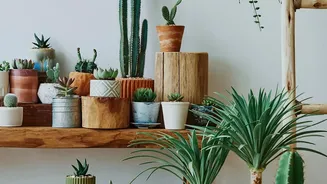
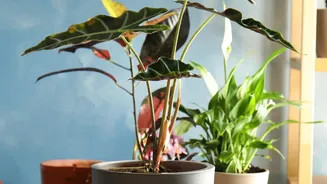
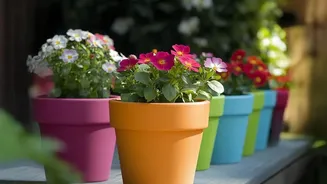
The single most important decision for a thriving winter balcony garden is plant selection. You must choose varieties that are naturally adapted to shade and cooler conditions. Many popular 'indoor plants' are perfect for this role because their native habitats are often the understory of tropical forests. For Indian city apartments, consider hardy options like the Snake Plant (Sansevieria) and ZZ Plant, which are almost indestructible and tolerate very low light. Money Plants (Pothos) and Syngonium are excellent choices that can trail beautifully from pots. For a touch of green foliage, ferns are a classic choice for shady, humid spots. If you want a splash of colour, some flowering plants like Begonias and Impatiens can tolerate shade.
Maximise Every Drop of Light
While you can't change the sun's path, you can amplify the ambient light your balcony receives. A simple but effective trick is to use reflective surfaces. Painting the wall behind your plants a bright white or a very light colour can help bounce light back onto them. Some gardeners even strategically place mirrors or other reflective materials to brighten up dark corners. Keep railings and glass barriers clean to ensure they aren't blocking precious light. It’s also a good practice to clean the leaves of your plants with a damp cloth; a layer of dust can block light and reduce a plant's ability to photosynthesise.
Smart Watering and Winter Care
With less light and slower growth, your plants' need for water decreases significantly in winter. Overwatering is one of the most common mistakes and a sure way to kill plants in lowlight conditions. Before you water, always check the soil. A good rule is to stick your finger about an inch or two into the soil; if it feels dry at that depth, it's time to water. If it's still moist, wait a few more days. Ensure all your pots have excellent drainage holes to prevent water from logging at the roots. Also, hold off on fertilising. Since most plants are in a dormant or slowgrowing phase, they don't need the extra nutrients and feeding can do more harm than good.