








The Rise and Fall of 'Beast Mode'
You know the look: the sweat-drenched selfie, the 4 AM alarm, the caption that reads "no days off." This is 'grind culture' in fitness, a philosophy that glorifies constant, high-intensity effort as the only path to success. For a long time, this was
seen as a badge of honor, fueled by social media where extreme workouts and tales of pushing through pain earned praise. The problem is that this mindset treats the body like a machine that never needs a break, ignoring the biological realities of muscle growth and recovery. While discipline is valuable, the relentless pursuit of exhaustion often leads to burnout, injury, and diminishing returns. The very results people chase are sabotaged by the unsustainable belief that more is always better.
The Science of 'Too Much'
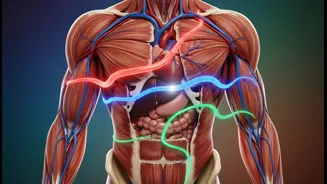
When you lift weights, you create microscopic tears in your muscle fibers. The magic of strength gain happens during rest, when your body repairs these tears, making the muscle stronger than before. However, the 'grind' mentality often skips this crucial step. Overtraining occurs when the stress of exercise outpaces your body's ability to recover. This doesn't just stall your progress; it can actively reverse it. Signs of overtraining include persistent fatigue no matter how much you sleep, a high resting heart rate, increased irritability, and a weakened immune system that leads to frequent illnesses. Your body's stress hormone, cortisol, can remain elevated, which hinders muscle repair and can even lead to weight gain. Instead of getting stronger, you find yourself weaker, more tired, and more prone to injuries.
Welcome to the Era of Smart Strength
The antidote to grind culture isn't laziness; it's intelligence. A smarter approach to strength training is gaining momentum, one that views recovery not as an optional extra, but as an integral part of the training process itself. This new philosophy emphasizes sustainability and longevity. It's about training in a way that allows you to show up consistently for years, not just for a few intense weeks before crashing. Experts and forward-thinking trainers are now promoting concepts like periodization, which involves structured cycles of intense work followed by periods of lower intensity or 'deload' weeks. This allows the nervous system and muscles to fully recover and adapt, leading to better long-term gains.
How to Train Smarter, Not Just Harder
Adopting a smarter training philosophy is practical and empowering. Start by prioritizing form over weight; moving correctly prevents injury and ensures the right muscles are working. Listen to your body—persistent soreness is a sign you need more rest, not that you need to push harder. Treat your rest days with the same importance as your gym days; they can include passive rest or active recovery like walking, stretching, or yoga, which aids blood flow and reduces stiffness. Finally, remember that consistency over a long period will always beat short-term, unsustainable intensity. A moderate workout you do twice a week for a year is far more effective than a brutal routine you abandon after a month.