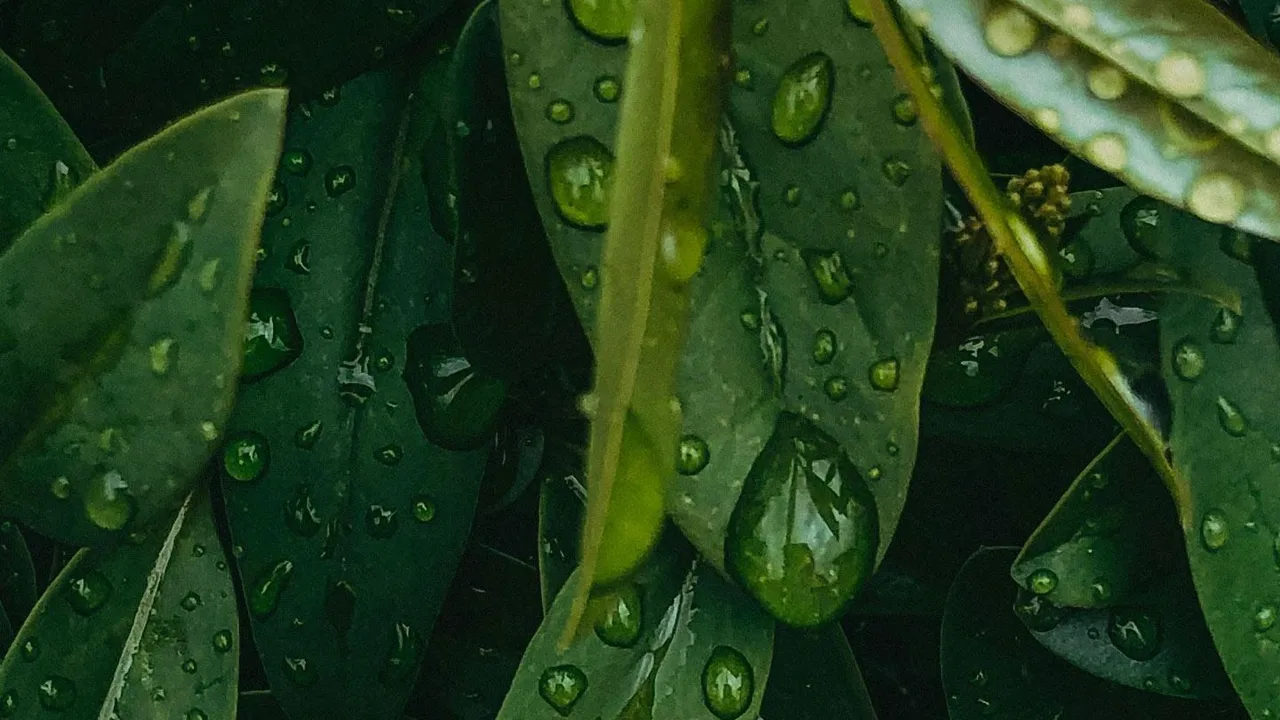







The Monsoon Challenge for Balcony Gardens
For urban gardeners in India, the monsoon is a double-edged sword. While the rain is a welcome sight, it brings specific challenges for plants confined to pots on a balcony. The most significant threat is overwatering. Excessive rain can quickly saturate
pots, leading to waterlogged soil that suffocates roots. This creates an ideal environment for root rot and other fungal diseases, which can be fatal to plants. Strong winds accompanying the rains can physically damage delicate stems and leaves, while the constant dampness encourages pests like slugs and snails to multiply. Without protection, your cherished plants can go from vibrant to vanquished in a matter of weeks.
Introducing Modular Waterproofing Covers
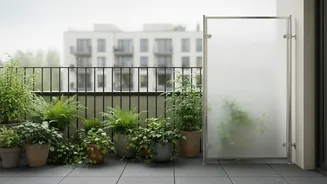
A game-changing solution for the dedicated balcony gardener is the modular waterproofing cover system. Think of these as custom-fit raincoats for your plant collection. These systems typically consist of a lightweight frame that can be assembled on the balcony, covered by a waterproof yet transparent material like PVC or heavy-duty polyethylene. The modular design allows for flexibility in size and shape, fitting various balcony layouts. The primary benefit is shielding plants from direct, heavy rainfall, thus preventing overwatering. Because the covers are transparent, they don't block the essential sunlight your plants need to flourish. They also offer protection from strong winds that can batter your greenery.
Choosing and Using a Cover System
When selecting a cover, look for durable, UV-resistant materials that won't degrade quickly in the sun. The frame should be sturdy enough to withstand wind—materials like PVC pipes or lightweight metal are common. Proper ventilation is crucial; a fully sealed cover can trap too much humidity, so look for systems with roll-up sides or vents to ensure good air circulation. Installation is often a straightforward DIY process involving assembling the frame and securing the cover with ties or clips. The beauty of a modular system is its temporary nature. You can erect it at the start of the monsoon and easily dismantle and store it once the rainy season passes, keeping your balcony clear for the rest of the year.
Essential Monsoon Care Beyond Covers
While a cover provides excellent protection, it should be part of a broader monsoon care strategy. First, ensure every pot has clear drainage holes. You can even elevate pots on bricks or plant stands to help excess water escape more easily. Adjust your watering schedule; with the high humidity and ambient moisture, your plants will need far less water. Always check the soil before watering. If it feels damp an inch below the surface, wait. Regular pruning of dense foliage will improve air circulation and discourage fungal growth. Finally, keep an eye out for pests. A preventative spray of neem oil solution can be an effective, natural deterrent.
DIY Alternatives for Rain Protection
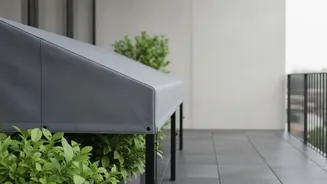
If a full modular system isn't feasible, you can create effective temporary shelters. A simple tarpaulin or a clear PVC sheet can be secured with ropes to balcony railings to act as a shield against slanting rain. For smaller plants, you can move them to a more sheltered part of the balcony or even indoors during heavy downpours. Individual plants can be protected with DIY cloches made from overturned plastic bottles or buckets for short periods. While not as comprehensive as a full system, these methods can provide critical protection during the most intense periods of rain.