




Iron is a vital mineral for energy and overall health, but there's a common myth that it's hard to find on a plant-based diet. In reality, a well-planned vegan or vegetarian plate can be packed with iron-rich foods.
The Two Types of Dietary Iron
Before diving into the sources, it's
helpful to know there are two types of iron in food: heme and non-heme. Heme iron, found in animal products like meat, fish, and poultry, is more readily absorbed by the body. Plant-based foods exclusively contain non-heme iron. While non-heme iron is absorbed less efficiently, its absorption can be significantly increased with a few simple dietary strategies, making it easy to meet your daily needs.
Lentils, Beans, and Legumes
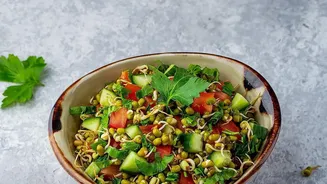
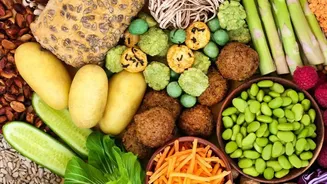
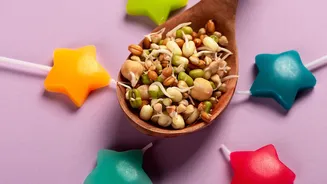
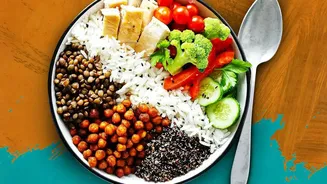
Legumes are a cornerstone of an iron-rich, plant-forward diet. Lentils are a standout, with one cooked cup providing around 6.6 mg of iron. Chickpeas, black beans, kidney beans, and soybeans are also excellent sources. A cup of cooked chickpeas or kidney beans can offer between 4.7 mg and 5.2 mg of iron. Tofu and tempeh, both made from soybeans, are versatile, protein-packed options, with a half-cup of tofu containing up to 6.6 mg of iron. These foods are practical because they can form the base of many hearty meals, like curries, stews, and salads.
Nuts and Seeds
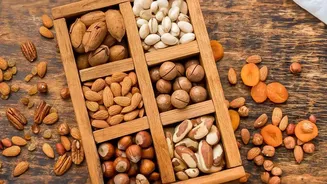
Don't underestimate the power of seeds. Pumpkin seeds are nutritional powerhouses, with just a quarter-cup serving delivering around 4.2 mg of iron. Sesame seeds, often consumed as tahini, are another fantastic source. Adding a sprinkle of pumpkin, hemp, or sesame seeds to your morning oatmeal, salads, or smoothies is an effortless way to boost your iron intake. Among nuts, cashews are also a good choice to include in your snacks or meals.
Leafy Greens and Vegetables
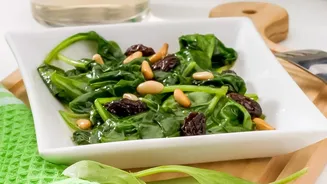
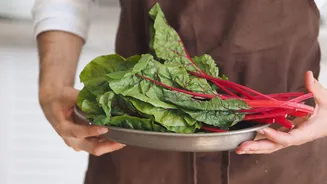
Dark leafy greens are famously nutritious, and iron is part of their profile. A cup of cooked spinach contains about 6.4 mg of iron, making it one of the top vegetable sources. Swiss chard and kale are other valuable greens to add to your plate. It's important to note that some greens like spinach contain oxalates, which can slightly hinder iron absorption. However, this effect is easily managed, especially when paired with vitamin C. Beyond greens, potatoes, especially their skins, and certain mushrooms also contribute to your daily iron count.
Whole Grains and Fortified Foods
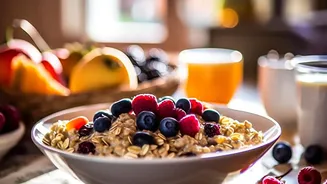
Whole grains offer a steady supply of iron. Quinoa, a complete protein, provides nearly 3 mg of iron per cooked cup. Oats are another staple that contribute to your intake. Many breakfast cereals are fortified with iron, sometimes offering a significant portion of your daily requirement in a single serving. Reading the nutritional label is key to identifying these fortified options and making them a convenient part of your morning routine.
The Secret to Better Absorption: Vitamin C
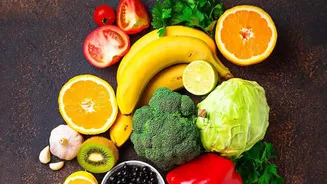
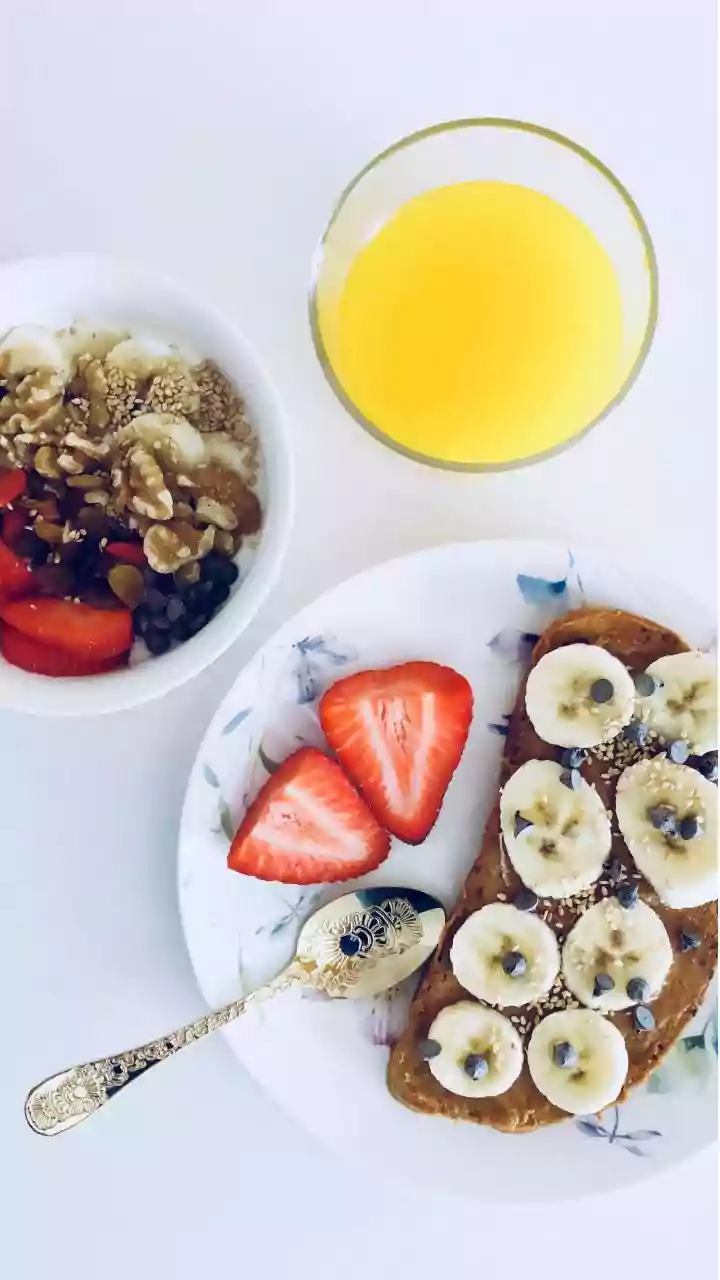
The most effective trick for maximizing non-heme iron is pairing it with vitamin C. Vitamin C captures non-heme iron and converts it into a form your body can absorb much more easily, potentially boosting uptake by two to three times or more. This strategy is simple to implement. Add bell peppers to a tofu stir-fry, squeeze lemon juice over a lentil salad, have a side of broccoli with your bean-based meal, or enjoy strawberries with your oatmeal. Foods rich in vitamin C include citrus fruits, tomatoes, bell peppers, broccoli, and strawberries.
What to Limit During Iron-Rich Meals
Just as some foods enhance absorption, others can inhibit it. The tannins found in coffee and tea can interfere with how much non-heme iron your body takes in. Similarly, calcium can compete with iron for absorption. This doesn't mean you need to give them up. The solution is simple: enjoy your coffee, tea, or calcium-rich foods or supplements at least an hour or two before or after your main iron-focused meals, rather than with them.