





The 'Sunshine Vitamin' and India's Deficiency Puzzle
Vitamin D, often called the 'sunshine vitamin', is crucial for absorbing calcium, which is essential for strong bones and teeth. It also plays a vital role in immune function and overall well-being. Yet, a surprisingly large percentage of the Indian population,
from children to adults, has insufficient levels of it. This is largely due to modern urban lifestyles, where people spend most of their days indoors for work or school. Factors like heavy air pollution blocking UVB rays, cultural clothing practices that cover most of the skin, and darker skin pigmentation (which naturally produces less Vitamin D) further compound the issue.
Harnessing the Sun: The Primary Source
Before turning to food, it's important to remember that sunlight is our most potent source of Vitamin D. When UVB rays from the sun hit our skin, our body naturally synthesizes the vitamin. Experts suggest that exposure during midday, roughly between 11 a.m. and 2 p.m., is most effective for Vitamin D production. Just 15 to 30 minutes of direct sunlight on the arms, face, and legs a few times a week can make a significant difference. However, it's a delicate balance; this is not a recommendation for prolonged, unprotected sun exposure, which carries its own risks.
Finding Vitamin D on the Indian Plate
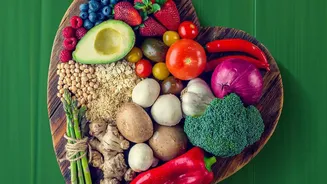
While few foods are naturally rich in Vitamin D, several options available in India can help supplement your intake. For non-vegetarians, fatty fish like mackerel (bangda), Indian sardines (tarli), and hilsa are excellent sources. Egg yolks also contain a helpful amount of the nutrient. For vegetarians, the options are more limited but still exist. Mushrooms, especially those that have been exposed to sunlight, are one of the few plant-based sources. Some dairy products like cheese and paneer contain small amounts that can add up over time.
The Role of Fortified Foods
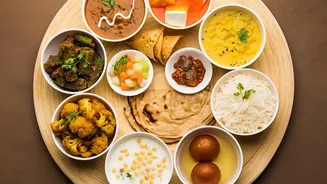
Recognizing the widespread deficiency, food fortification has become an important strategy. In India, you can find many everyday staples fortified with Vitamin D. Milk is the most common example, with many brands adding both Vitamin D and calcium. Fortified curd (yoghurt), breakfast cereals, and even some brands of edible oil and plant-based milks (like soy or almond milk) are now available. Checking the product label for 'Fortified with Vitamin D' is a simple way to boost your daily intake through your regular groceries. These foods provide a practical way to bridge the nutritional gap in modern diets.
Why Diet Alone Is Rarely the Complete Answer
It is difficult to meet the recommended daily allowance of Vitamin D, which is around 600 IU for most adults in India, through food alone. For instance, even a serving of fatty fish might not cover your entire day's requirement, and you would need to eat a large quantity of eggs or mushrooms to come close. Foods are best seen as a support system to sensible sun exposure, not a replacement for it. This reality is what makes a balanced approach so critical—combining diet, sun, and, when necessary, medical advice.
The Danger of 'Promised Cures' and Over-Supplementation
The prevalence of deficiency has led to a market of quick-fix cures and high-dose supplements. It's crucial to approach these with caution. Self-prescribing high doses of Vitamin D can lead to toxicity, a condition where excessive calcium builds up in the blood (hypercalcemia). This can cause symptoms like nausea, weakness, frequent urination, and even lead to serious kidney and heart problems over time. It is a rare condition but a real risk associated with unsupervised, high-dose supplementation. Never take high-strength Vitamin D supplements without first consulting a doctor, who can confirm a deficiency through a blood test and recommend the appropriate dosage.