



Why Braided Pigtails Are a Workout Winner
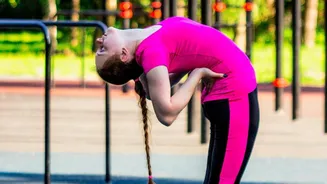
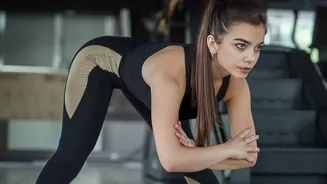
Before we get into the 'how', let's talk about the 'why'. A good gym hairstyle does more than just look good; it has to perform. Braided pigtails are a top contender because they offer complete control. By securing hair from the scalp downwards, they prevent
the annoying whip-around effect of a single ponytail and keep strands off your neck and face during intense cardio. This structure also reduces tangling and friction, which can lead to less breakage when you finally let your hair down post-workout. Plus, the two-braid system distributes weight and tension evenly, avoiding the stress on your hairline that a single, tight ponytail can cause.
The Five-Minute Step-by-Step Guide
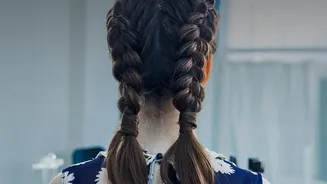
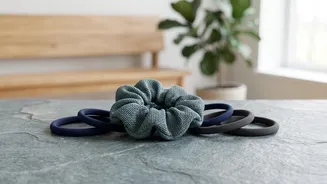
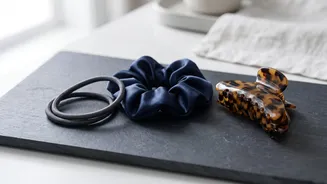
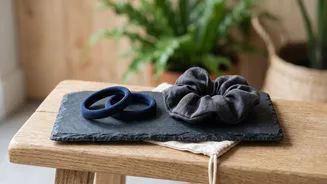
This style is designed for speed and security. You only need a comb and two hair elastics to get started. For a classic look that stays put, a Dutch or French braid technique is best. The main difference is that French braids cross the hair sections over the middle, creating a flatter look, while Dutch braids cross under, making the braid sit on top for a bolder finish. Dutch braids often provide a more structured hold for intense activity.1. Part and Prep: Use a comb to create a clean part down the center of your head, from your forehead to the nape of your neck. Clip one side away to keep it separate.2. Start the Braid: On the loose side, grab a small section of hair at your hairline. Divide it into three equal smaller strands.3. Cross and Add: Begin a standard three-strand braid, but after the first stitch, start adding small amounts of hair from the surrounding area to the outer strands before you cross them. For a Dutch braid, cross the strands under the middle piece. For a French braid, cross them over.4. Braid Down: Continue this pattern, grabbing new hair and incorporating it into the braid as you work your way down toward your ear and the nape of your neck. Keep the tension firm but comfortable.5. Finish the Tail: Once all the hair from that side is gathered into the braid at your nape, continue with a regular three-strand braid to the ends. Secure it with an elastic.6. Repeat: Unclip the other side and repeat the entire process. The result is two symmetrical, secure braids ready for any workout.
Tips for an Unbeatable Hold
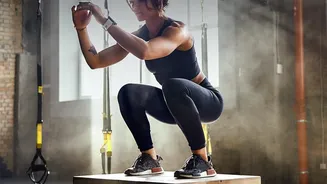
To ensure your pigtails last through burpees, box jumps, and long runs, a little prep work goes a long way. Work with Day-Two Hair: Hair that isn't freshly washed often has more natural grip, making it easier to braid and helping the style hold longer. If your hair is too clean and silky, a light spritz of dry shampoo or texturizing spray at the roots can add helpful grit. Keep it Tight (But Not Too Tight): While braiding, pull each section firmly to create a secure plait. However, avoid pulling painfully tight at the hairline, as this can cause stress and breakage over time. Manage Sweat: If you're planning a particularly intense session, wear a moisture-wicking headband to absorb sweat at the hairline before it can loosen your braids. After your workout, gently pat your scalp dry with a microfibre towel to prevent moisture from getting trapped.
Quick and Easy Variations
Not a master braider? No problem. There are simpler alternatives that still offer great hold. Bubble Pigtails: This trendy style requires no braiding skill at all. Create two pigtails, then place additional elastics every few inches down the length of each tail. Gently pull apart the sections between the elastics to create a 'bubble' effect. It's fast, fun, and surprisingly secure. Twisted Pigtails: For a quick option, split your hair into two sections. Twist each section tightly from root to tip, then secure with an elastic. The twists will hold together well for low to medium-impact activities. Braided Ponytail Pigtails: If braiding along the scalp feels too complicated, simply create two high or low pigtails. Then, braid the length of each ponytail and secure the ends. This still prevents the hair from tangling or flying around.