







What Exactly Is a Wispy Fringe?
Unlike a dense, straight-across fringe, a wispy fringe is light, feathery, and see-through. It’s cut and styled to create soft, separated strands that don't form a solid block of hair, allowing glimpses of your forehead to peek through. The effect is more
of a delicate frame for the face rather than a heavy curtain. The goal is to look like your hair just falls that way naturally, giving it movement and a relaxed finish that works with your hair, not against it. This style is incredibly versatile and can be adapted for bobs, pixies, shags, and longer cuts.
The Appeal of Understated Chic
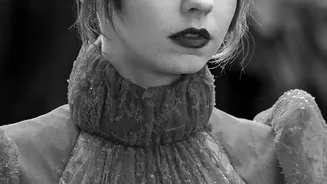
The wispy fringe fits perfectly into the modern trend of 'no-makeup makeup' beauty—intentional, but never overdone. It’s a softer, more romantic look that adds texture and definition without the severity of a blunt cut. Celebrities like Daisy Edgar-Jones and Elizabeth Olsen have showcased how this fringe can add a touch of bohemian softness or draw attention to the eyes. It provides the face-framing benefits of a fringe without the high maintenance, blending seamlessly as it grows out and making it the ideal low-commitment option.
Is This Fringe Right for You?
One of the greatest strengths of the wispy fringe is its versatility across different face shapes and hair types. It's particularly flattering for oval, heart, and round faces. For square faces, the soft, textured ends can help soften a strong jawline. On round faces, a lighter density fringe can create an illusion of length. Because it requires less hair density than a blunt fringe, it’s an ideal choice for those with fine or thin hair. Whether your hair is straight, wavy, or even curly, a stylist can adapt the cut to suit your natural texture.
Getting the Perfect Cut
Communication with your stylist is key. Ask for a light, feathery fringe, not a blunt or heavy one. A good stylist will likely use a 'point cutting' technique, snipping into the ends vertically to create that soft, textured effect. The process often involves starting with a small, triangular section of hair at your parting. It's also wise to ask for the cut to be refined once your hair is dry, as this gives the truest sense of length and shape. Mention you want the sides to blend into face-framing layers for a softer grow-out period.
Your Guide to Subtle Styling
The beauty of a wispy fringe is that it looks best when slightly imperfect. For daily styling, a quick blow-dry is often enough. Use a round brush, sweeping the bangs from side to side with the dryer nozzle pointed downwards to create natural movement. A spritz of lightweight texturizing spray or dry shampoo can add volume and prevent the strands from clumping together. Avoid heavy products like thick creams or waxes, as they can weigh the fringe down and make it look greasy. The goal is to keep it airy and touchable.
Keeping Your Fringe Fresh
Because a wispy fringe rests on your forehead, it's prone to absorbing oil. Dry shampoo will be your best friend for a quick refresh. Just a light dusting at the roots can bring it back to life. Try to avoid touching your bangs throughout the day to minimize oil transfer. To maintain their ideal shape and length, plan for a quick trim every three to five weeks. This prevents them from getting into your eyes and losing their lightweight, feathery structure.