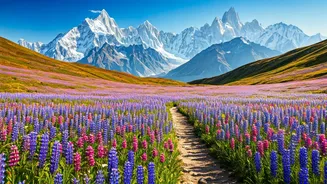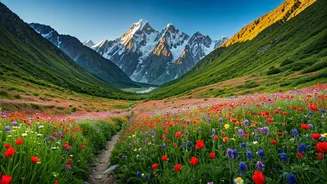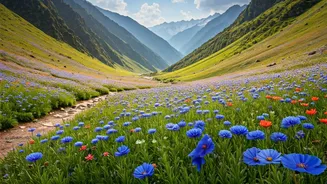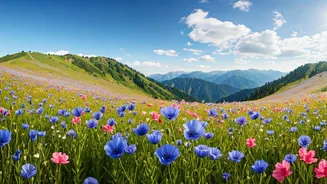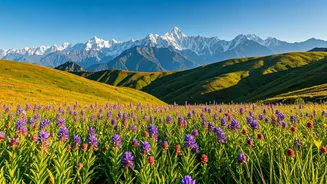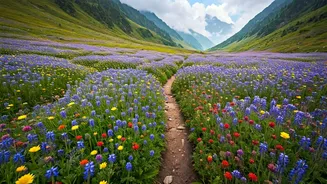

A Trend Blooms in the Himalayas
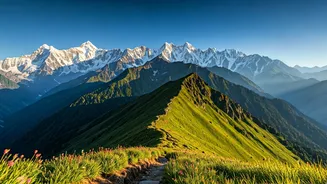
The path to the Valley of Flowers, a UNESCO World Heritage Site, has long been popular with families and organised tour groups. However, recent data and on-ground observations from the Uttarakhand Forest Department indicate a significant shift. The latest
trekking season saw an unprecedented number of registrations from individuals travelling alone. While official statistics are compiled post-season, officials managing the Nanda Devi National Park, which encompasses the valley, have been vocal about the noticeable spike. This isn't just a marginal increase; it’s a visible trend that tour operators, local guides, and guesthouse owners in the base village of Ghangaria have all confirmed. The profile of the typical visitor is changing, with more backpacks being carried by one.
The Search for Solitude
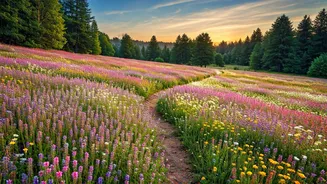
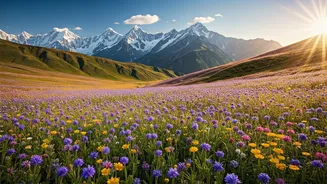
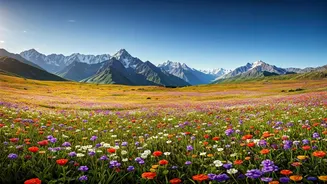
The post-pandemic travel boom was initially defined by “revenge travel” — frantic trips with friends and family to make up for lost time. This new wave of solo trekking represents a more introspective evolution. For many, the appeal lies in disconnecting from the noise of daily life and reconnecting with oneself. A solo journey through a landscape bursting with over 500 species of flowers is less about ticking off a destination and more about a meditative experience. It’s an opportunity for quiet reflection, personal challenge, and an unfiltered experience of nature. In a hyper-connected world, the choice to walk alone, even on a popular trail, is a powerful statement of self-reliance and a deliberate search for mental peace.
Empowerment on the Trail
Particularly noteworthy is the rising number of solo female trekkers. This points to a larger, heartening trend in Indian society. Increased financial independence, greater social acceptance, and a desire to push personal boundaries are empowering more women to embark on adventures previously seen as daunting. Social media and travel blogs play a crucial role here, not just for inspiration but for logistics. Detailed accounts from other women who have completed the trek solo provide a roadmap, demystify the challenges, and create a sense of a supportive digital community. For many, completing the trek is more than a holiday; it’s a milestone of independence and courage, a physical journey that mirrors an internal one.
Why This Valley?
While India has countless trekking routes, the Valley of Flowers holds a unique appeal for the solo adventurer. Its logistics are relatively straightforward. The trek is rated as easy to moderate, making it accessible to those with a reasonable level of fitness without requiring technical mountaineering skills. The trail is well-defined, and the short trekking window from June to October means there’s a steady stream of fellow hikers, providing a sense of safety without compromising the feeling of solitude. The ecosystem is well-established, with accommodation available at the base camp in Ghangaria. This combination of spectacular beauty, manageable difficulty, and reliable infrastructure makes it an ideal choice for a first-time solo Himalayan trek.
An Ecosystem for the Individual
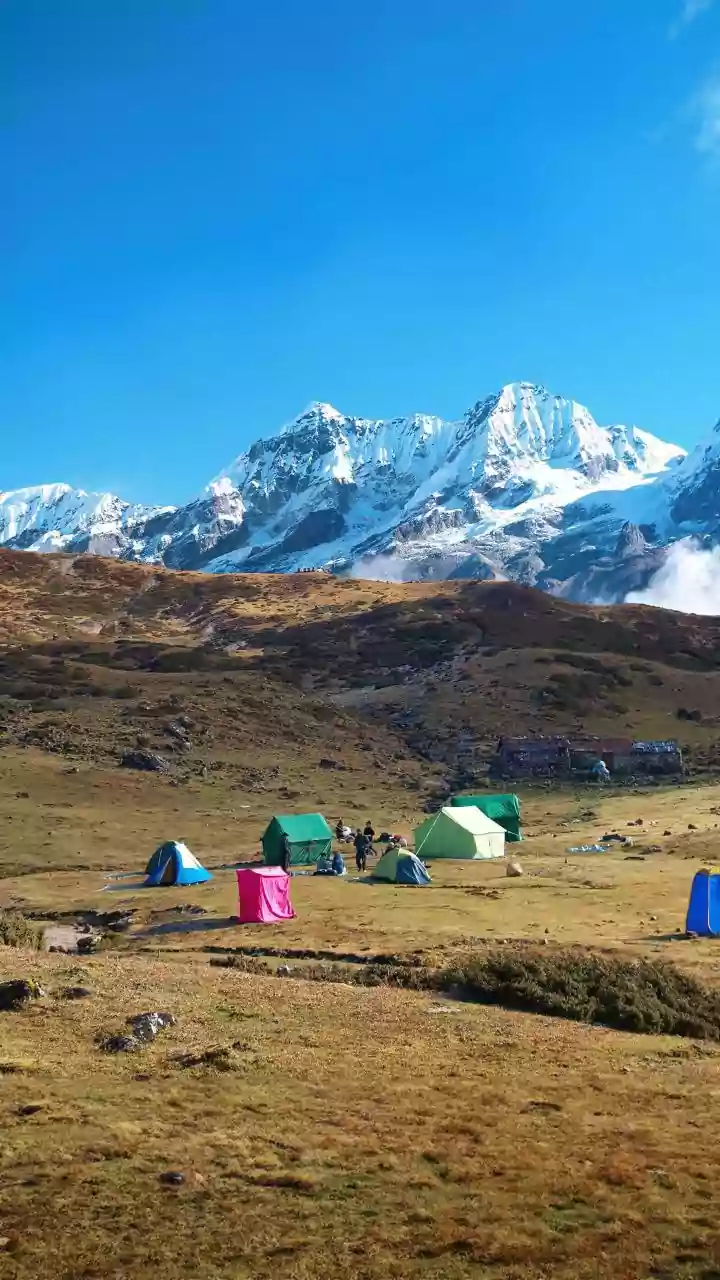
The travel industry has been quick to notice and adapt to this growing market. Many travel companies now offer fixed-departure groups that solo travellers can join. This “solo-in-a-group” model provides the safety and logistics of an organised tour while allowing for individual experience. It’s a perfect middle-ground for those who want to travel alone but not feel lonely. Furthermore, the proliferation of information online—from detailed packing lists and guide contacts to guesthouse reviews and transport options—has made it easier than ever to plan a solo trip with confidence. This robust information ecosystem has effectively lowered the barrier to entry, transforming what was once a daunting expedition into an achievable dream for many.