




The Magic of the Midnight Train
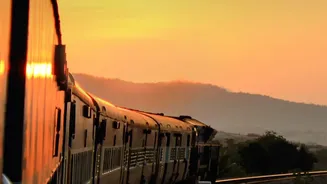
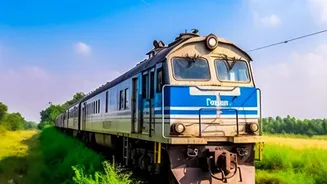
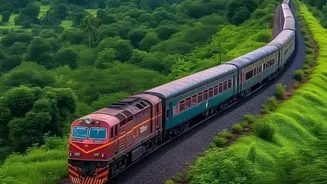
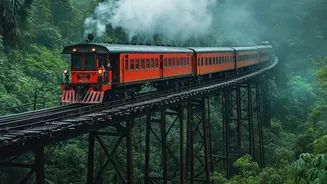
For young travellers on a tight budget, the journey is as important as the destination, and the overnight train is a masterclass in efficiency and experience. An overnight journey essentially doubles as a hotel, saving a night's accommodation cost. A sleeper
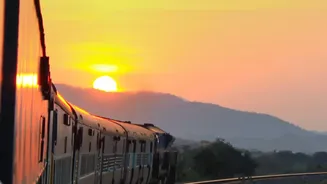
or 3AC ticket is significantly more pocket-friendly than a last-minute flight, where costs can quickly escalate with baggage fees and airport transfers. But beyond the pure economics, the train journey itself is a huge part of the appeal. It offers a social, shared experience, a chance to disconnect from screens and watch the diverse landscapes of the country unfold. It’s a transition period, allowing the stress of urban life to melt away with the rhythmic clatter of the tracks, arriving refreshed and ready for adventure at dawn.
Central India's Accessible Wilderness
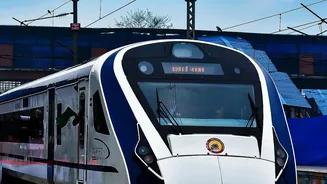
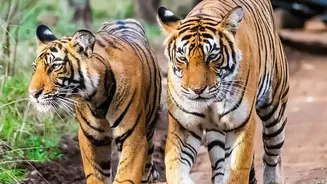
Central India, particularly Madhya Pradesh, has emerged as a sweet spot for wildlife tourism. It is home to a trifecta of premier tiger reserves: Kanha, Bandhavgarh, and Pench National Parks. What makes them particularly attractive to this new wave of travelers is their accessibility via the rail network. Major railway junctions like Jabalpur, Nagpur, and Katni serve as perfect gateways. From cities like Delhi, Mumbai, or Kolkata, numerous overnight trains arrive at these stations in the morning. From there, the parks are just a few hours' drive away, making a weekend trip feasible without taking extra leave. This logistical convenience, connecting major urban centers directly to the doorstep of the wild, is a game-changer for those seeking a quick escape.
The Economics of Adventure
A jungle safari was once considered a luxury pursuit, but that perception is changing. The train-plus-safari model makes it remarkably affordable. A shared jeep safari can cost between ₹2,000 to ₹3,000 per person, and booking directly through government portals can keep costs down. When combined with a budget train fare, which can be under ₹1,200 for a long-distance AC journey, a weekend wildlife trip becomes highly achievable. Accommodation options near the parks also cater to this demographic, with a rise in budget-friendly lodges, homestays, and guesthouses just outside the main park gates, offering a comfortable stay without the premium price tag of luxury resorts inside. For a generation prioritizing experiences over possessions, this model offers maximum thrill for minimal financial strain.
A Search for Authentic Thrills
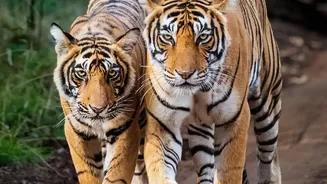
The trend isn't just about saving money; it's a reflection of a deeper cultural shift. After years of curated digital lives, many young people are craving authentic, unscripted experiences. The raw, unpredictable nature of a jungle safari delivers exactly that. The possibility of spotting a Royal Bengal Tiger, a leopard, or a sloth bear in its natural habitat is a powerful draw. This desire for tangible adventure aligns with a broader trend of exploring one's own country, a movement that has gained momentum in recent years. Opting for a train journey and a jungle safari is a deliberate choice to engage with a more rugged, unfiltered side of India, far from the polished tourist circuits.
How to Plan Your Own Escape
Planning such a trip has become easier than ever. Train tickets can be booked up to 120 days in advance on the IRCTC portal, which is essential as popular routes fill up fast. For safaris, permits for parks like Kanha and Bandhavgarh are available online through the state forest department websites. It's crucial to book these permits well in advance, especially for peak season (October to April), as they sell out within minutes of release. Once at the gateway city (like Jabalpur or Nagpur), local taxis or buses can be hired to reach the park entrance. By planning these three key elements—train, safari permit, and basic accommodation—a thrilling jungle adventure is well within reach for any budget-conscious traveler.