



The Return of a Design Icon
For years, 'The Den' was the definitive word in aspirational living, a celebrated annual exhibition that set home decor trends across the country. Its sudden hiatus left a void, but its 2026 return has proven to be a masterclass in relevance. This year’s
showcase has moved beyond mere aesthetics, focusing instead on a single, powerful theme: adaptability. The new collection champions modular furniture, integrated smart technology, and sustainable materials, presenting a vision of the den not as a fixed room, but as a dynamic, fluid space designed for the realities of modern life.
More Than Just a Man Cave
The very idea of a 'den' has evolved dramatically. Once imagined as a dark, wood-panelled room for solitary pursuits, its purpose has become blurred. The post-pandemic world, in particular, has accelerated the need for every square foot of our homes to work harder. What was once a storeroom, a rarely used study, or a dumping ground for odd bits of furniture is now expected to be a home office, a classroom, a gym, or a quiet retreat. This shift demands more than just a change in furniture; it requires a new mindset. The modern den is no longer about seclusion but about transformation—a space that can be a productive office by day, a family media room by night, and a peaceful reading nook on a lazy Sunday afternoon.
What The Den's Revival Teaches Us
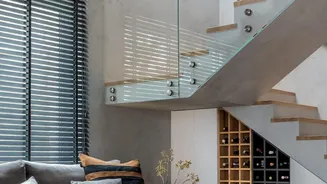
The 2026 edition of 'The Den' provides a clear blueprint for this new reality. The showcase’s emphasis on multifunctional furniture is a direct response to the needs of compact urban living in India, where space is a premium. We're seeing clever sofa beds, expandable tables, and ottomans with hidden storage that allow a room to change its function instantly. Another key takeaway is the clever use of zoning. Instead of solid walls, the showcase uses open shelving, strategic lighting, and even different coloured rugs to visually separate a single room into distinct areas for work, relaxation, and storage. This creates the feeling of multiple rooms within one, maintaining an open, airy feel while maximising utility. It proves that flexibility doesn't have to mean clutter.
Creating Your Own Flexible Den
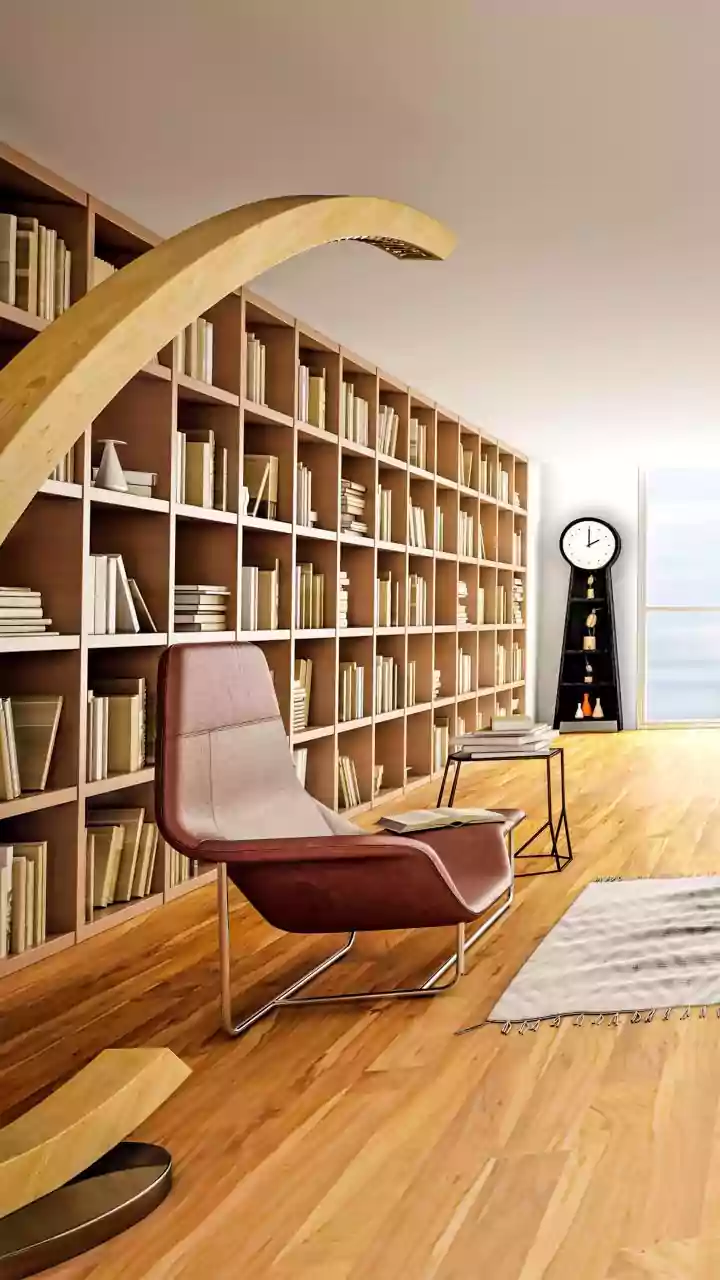
Translating this inspiration into your own home is more achievable than you might think. Start by identifying the primary functions you need the space to serve. Is it a workspace and a guest room? A kids' play area and a media centre? Once you have a clear purpose, invest in furniture that works overtime. A wall-mounted foldable desk can serve as a workstation and then disappear when not in use. A comfortable daybed or a stylish sofa-cum-bed can accommodate guests without sacrificing seating. Don't underestimate the power of vertical space—use wall-mounted shelves and tall cabinets to draw the eye upward and keep the floor clear. Finally, think about partitions. A lightweight, movable screen or a thoughtfully placed bookshelf can create a sense of privacy for your work corner without permanently shrinking the room.