






The Real Economics of Travel
At first glance, budget airlines often seem like the cheapest way to get from A to B. However, savvy travellers are starting to look at the total cost of the journey. Once you factor in expensive airport transfers, exorbitant baggage fees, and the price
of a taxi from a remote airport to your actual destination, the cost of flying can quickly add up. Train stations, in contrast, are typically located right in the heart of cities, saving both time and money on arrival. For many, an overnight sleeper train also doubles as a night's accommodation, a significant saving that makes the overall trip far more economical. This holistic view of expenses reveals that the humble train often offers superior value, turning the journey itself into a cost-saving measure rather than just another expense line.
The Rise of Slow Travel
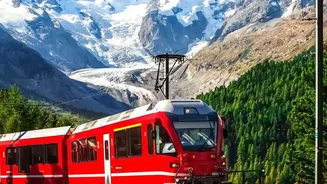
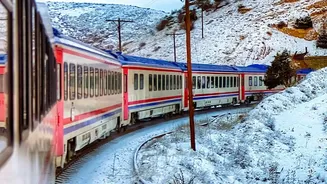
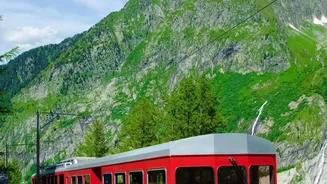
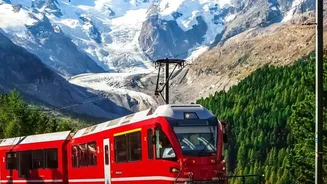
In a world obsessed with speed and efficiency, there's a growing rebellion in favour of 'slow travel'. This movement champions the idea that the journey is as important as the destination. Train travel is the poster child for this philosophy. Instead of the sterile, rushed experience of an airport, trains offer a front-row seat to the changing landscape. You see the country unfold before your eyes, from sprawling mustard fields to dense backwaters, providing a connection to the place that a flight simply cannot offer. This unhurried pace allows for reflection, relaxation, and a deeper appreciation of the distance being travelled, transforming transit time from a stressful ordeal into a core part of the holiday experience.
A Greener Way to Go
For an increasing number of travellers, especially younger generations, the environmental impact of their journey is a major consideration. The concept of 'flight shame'—anxiety about the carbon footprint of air travel—is becoming more mainstream. Rail travel stands out as a significantly more sustainable option, producing far lower carbon emissions per passenger than flying. As climate consciousness grows, many budget travellers are aligning their spending with their values. Choosing the train becomes a simple yet impactful way to reduce their environmental footprint, making their trip not only affordable but also more responsible. This ethical consideration adds another powerful layer to the appeal of rail-based adventures.
Comfort and Convenience Reimagined
The travel experience on a train is often far more comfortable and less stressful than on a budget flight. Forget cramped middle seats and battling for overhead bin space. Trains typically offer more legroom, wider seats, and the freedom to walk around. There are no long security queues or two-hour pre-departure waiting times. In India, the introduction of Vistadome coaches on scenic routes like Mumbai-Goa and Mumbai-Pune has elevated the experience, offering panoramic glass roofs and wide windows that have become incredibly popular with tourists. These coaches, often boasting near 100% occupancy, prove that travellers are willing to embrace rail for its superior comfort and unique viewing opportunities.
An Authentic Glimpse of India
Flights offer a view of the clouds, but trains offer a view of a country's soul. A train journey in India is an immersive cultural experience. It’s the sound of the chaiwala’s call in the morning, the sight of kids waving from a small village, and the impromptu conversations with fellow passengers. Routes like the Island Express in Kerala or the commuter train into Jodhpur provide an unfiltered look at daily life that is impossible to get from 30,000 feet. This mode of travel allows budget explorers to access smaller towns and remote areas not served by airports, uncovering hidden gems and engaging with the country on a more intimate and authentic level.