
Look past the concrete and steel, and you’ll find a quiet revolution taking place. Our cities, often seen as the opposite of nature, are transforming into dynamic ecosystems where wildlife is finding a foothold in the most surprising of places.
From Concrete Jungles to Living Ecosystems
The traditional
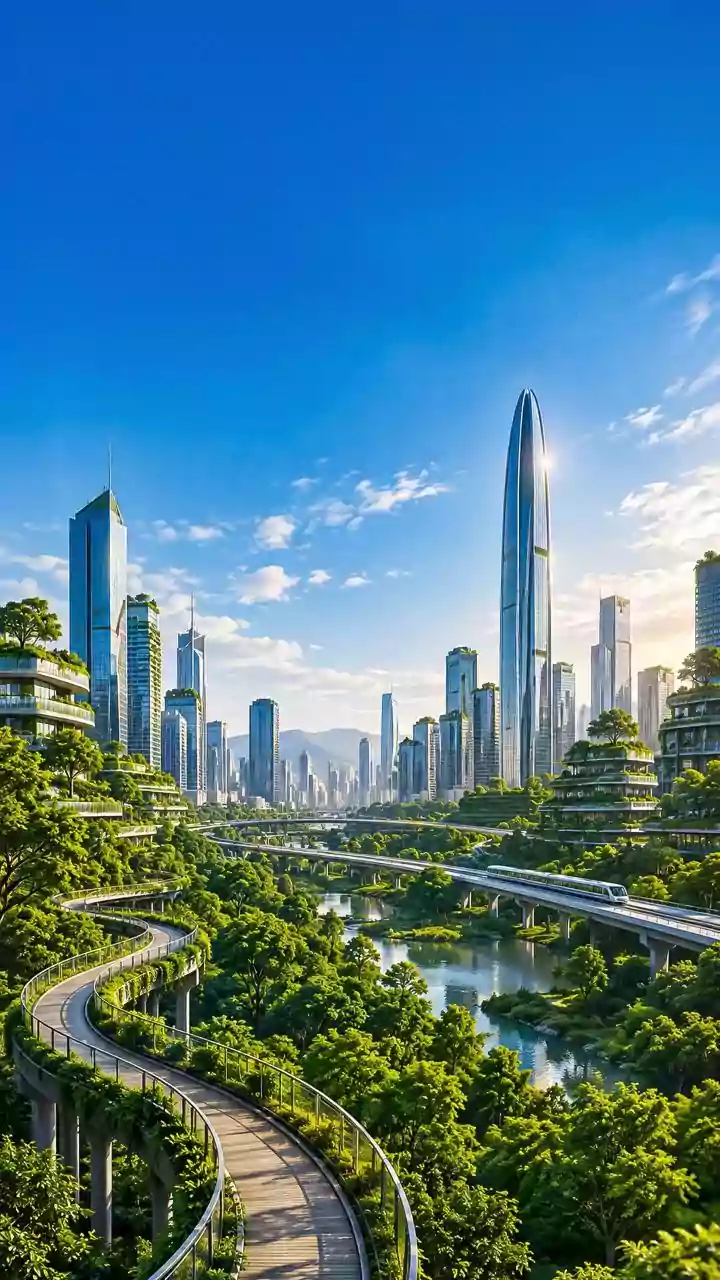
image of a city is one of relentless development, where nature is pushed to the fringes. But a new movement, often called 'urban rewilding', is challenging that idea. Planners, architects, and community groups are recognising that green infrastructure is not just a luxury but a necessity. By intentionally designing spaces for nature, cities can become vibrant hubs of biodiversity. This isn't about letting weeds run wild; it's a strategic effort to integrate natural habitats into the urban fabric, creating corridors that allow animals to move, find food, and shelter. As natural habitats shrink due to urban expansion, many animals are forced to adapt, making our cities their new homes.
The Vertical Savanna: Habitats in the Sky
When ground space is limited, the only way to go is up. Green roofs and living walls are at the forefront of this vertical revolution. Once-barren rooftops are being converted into lush gardens that provide crucial habitats for a variety of species. Studies have shown that these elevated ecosystems can support a surprising diversity of life, including rare spiders, beetles, and bees. For migratory birds, a green roof can be a vital resting and feeding stop in a vast urban desert. One study in New York City found 37 different bird species using green roofs, which offer a rich source of insects. Similarly, living walls, or vertical gardens, turn sterile building facades into thriving ecosystems, offering nesting sites for birds and resources for pollinators like bees and butterflies.
Gardens of Unexpected Delights
At ground level, even the smallest patch of green can make a big difference. Community gardens, city parks, and even private balconies are becoming important refuges for urban wildlife. The key is moving away from manicured lawns and exotic plants towards creating 'habitat mosaics' with native species. Native plants are adapted to the local climate and provide the specific food and shelter that local insects and animals need. By planting a variety of native flowers, shrubs, and trees, gardeners can create a functionally diverse space that supports a complex web of life, from pollinators like bees and butterflies to the birds that feed on them. Even leaving a small pile of leaves and branches in a corner can create a safe haven for insects, hedgehogs, and other creatures to hibernate through the winter.
Surprising Urban Residents
The result of these efforts is an increasing number of surprising wildlife encounters in our cities. While monkeys and pigeons are common sights in many Indian urban areas, more elusive animals are also making appearances. In cities like Mumbai, leopards have adapted to living on the urban fringe, using overgrown drains and railway lines as corridors to hunt for prey like stray dogs. Peregrine falcons and hawks now use skyscrapers as substitutes for cliff faces, helping to control pigeon and rat populations. Snakes, often misunderstood, play a crucial role by managing rodents in gardens and construction sites. These encounters, while sometimes startling, are a sign that wildlife is adapting to coexist with us, often because their natural habitats are shrinking.
Why It Matters More Than Ever
Encouraging wildlife in cities is about more than just a fondness for animals. It's a critical component of building resilient and liveable urban environments for the future. Urban green spaces improve air and water quality, reduce the 'urban heat island' effect, and manage stormwater runoff. A diverse ecosystem supports essential processes like pollination, which is vital for food production. Furthermore, numerous studies have shown that access to nature has profound benefits for human mental and physical health, reducing stress and improving overall well-being. By making space for nature, we are ultimately investing in our own health and the sustainability of our cities.