

The Heart of the Brew: What is a SCOBY?
Before you begin, it’s important to understand the star of the show: the SCOBY. This acronym stands for Symbiotic Culture of Bacteria and Yeast. It might look a bit strange—like a rubbery, beige disc—but this living culture is what transforms sweet tea
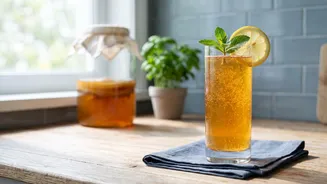
into tangy kombucha. The SCOBY floats in the tea, consuming the sugar and fermenting the liquid over time. With each batch you brew, the SCOBY will grow a new layer, which you can eventually share with friends who want to start their own brewing journey. You can get a SCOBY from a fellow brewer or purchase one online, which will typically come with some starter liquid.
Gather Your Gear and Ingredients
You don't need a lot of fancy equipment, but a few key items are essential for a successful and safe brew. Here’s what you'll need for a standard one-gallon (about 3.5-4 litre) batch: a large glass jar, a tightly woven cloth or coffee filter to cover it, and a rubber band. For the ingredients, you’ll need caffeinated black or green tea (about 8 bags or 2 tablespoons of loose-leaf), one cup of cane sugar, filtered water, and your SCOBY along with at least one cup of starter tea (which is just unflavored kombucha from a previous batch). The starter tea is crucial because it helps lower the pH of the sweet tea, creating an acidic environment that prevents harmful mould from growing.
Step 1: The First Fermentation (F1)
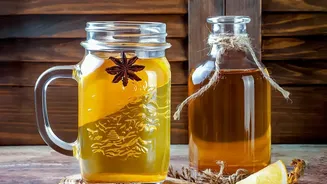
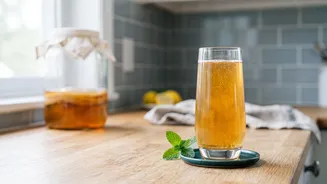
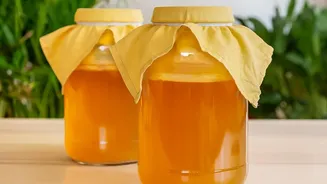
This is the primary stage where the magic happens. Start by boiling about four cups of your filtered water. Remove it from the heat, add your sugar, and stir until it's completely dissolved. Then, steep your tea bags or loose tea for about 5-10 minutes. Once steeped, remove the tea and add the remaining cool, filtered water to the pot. This helps bring the temperature down quickly. It is vital that your sweet tea mixture cools to room temperature before you add the SCOBY and starter liquid, as hot tea can kill the delicate culture. Once cool, pour the sweet tea into your large glass jar, then gently add the SCOBY and the starter tea. Cover the jar with your cloth and secure it with a rubber band. Place the jar in a warm, dark place away from direct sunlight and let it ferment for 7 to 14 days. The longer it ferments, the less sweet and more vinegary it will become. Start tasting it after day seven to find your preferred flavour.
Step 2: The Second Fermentation (F2) for Fizz and Flavour
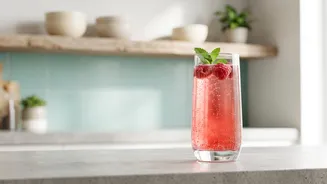
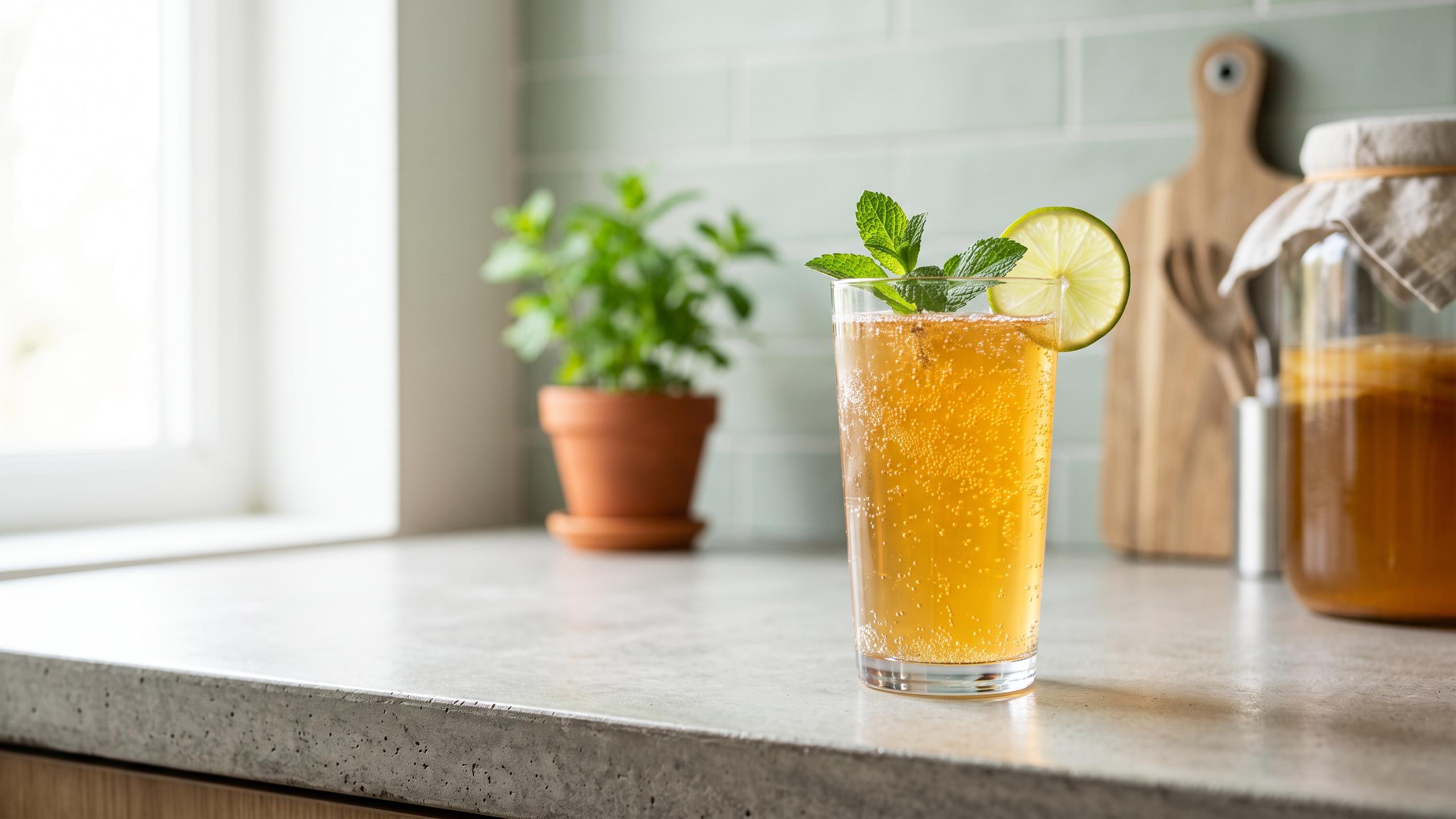
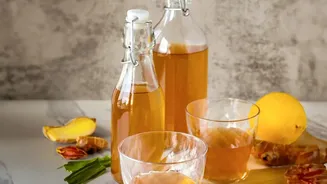
If you love the fizzy carbonation of store-bought kombucha, the second fermentation is a must. This optional step is where you add flavour and create natural effervescence. First, gently remove the SCOBY from your brew, along with about one to two cups of the kombucha to use as starter tea for your next batch. Pour the remaining kombucha into airtight, pressure-safe bottles, such as swing-top bottles. This is your chance to get creative. Add one to two tablespoons of fruit juice, fruit puree, or fresh herbs like ginger or mint to each bottle. The sugars in the fruit will feed the remaining yeast, creating carbon dioxide that gets trapped in the bottle, resulting in a bubbly drink. Seal the bottles and leave them at room temperature for another 2 to 5 days. Be sure to “burp” the bottles daily by briefly opening the cap to release excess pressure and prevent explosions. Once you're happy with the carbonation level, move the bottles to the refrigerator to stop the fermentation process and chill before enjoying.
Is It Truly Gut-Friendly?
Kombucha's reputation as a health drink comes from the fermentation process. This process produces probiotics—beneficial live bacteria—that can help support a healthy gut microbiome. A balanced gut is linked to better digestion, nutrient absorption, and even immune function. The drink also contains organic acids and antioxidants from the tea. However, while many people enjoy its benefits, homemade kombucha is a living product and may not be suitable for everyone. The key is to start with small amounts to see how your body responds. The process of converting sugar means that finished kombucha is a low-sugar beverage, making it a great alternative to sugary sodas.