






Why Monsoons Can Weaken Your Gut
The shift from scorching summer to damp monsoon weather affects more than just our mood; it impacts our digestive system. During the rainy season, increased humidity and moisture in the air create an ideal environment for bacteria and other microbes to thrive.
This means food can spoil faster and water sources are more susceptible to contamination, increasing the risk of gastrointestinal infections. Many people experience issues like bloating, indigestion, and general discomfort. According to Ayurveda, the body's digestive fire, or 'Agni', is believed to weaken during this season, making it harder to process food efficiently and leaving us more vulnerable to stomach bugs.
The Power of Good Bacteria
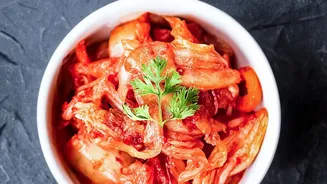
This is where fermented foods come in. Fermentation is a natural process where beneficial microorganisms, like bacteria and yeast, break down sugars in food. This process creates what are known as probiotics—live, good bacteria that are crucial for a healthy gut. A balanced intestinal microflora, or gut microbiome, is essential for good digestion, a strong immune system, and even overall well-being. When you consume fermented foods, you introduce these helpful microbes to your system. They can help crowd out harmful bacteria, aid in the digestion of food, and enhance the absorption of nutrients. Studies have shown that a diet rich in fermented foods can increase the diversity of microbes in your gut and may even help reduce inflammation.
Traditional Indian Ferments to the Rescue
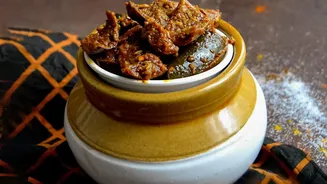
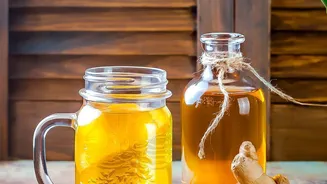
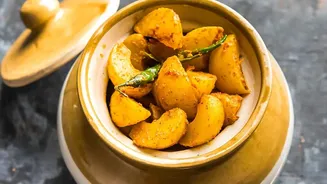
Indian culinary traditions are rich with fermented foods that are perfect for supporting gut health. While many think of curd (dahi) or dosa and idli batter, there are several condiments you can easily make at home. One of the best examples is Kanji, a traditional North Indian drink made by fermenting black carrots or beetroot with mustard seeds and water. It’s a tangy, probiotic-rich beverage that aids digestion. Another powerful option is a traditionally made 'achaar' or pickle. Not the commercial, vinegar-based kind, but pickles made through lacto-fermentation, where vegetables are preserved in a salt brine and left to ferment naturally. This process cultivates beneficial Lactobacillus bacteria, turning a simple condiment into a gut-friendly powerhouse.
Getting Started With Fermentation at Home
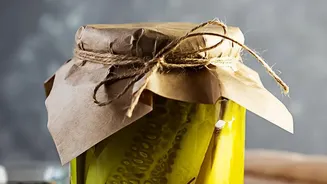
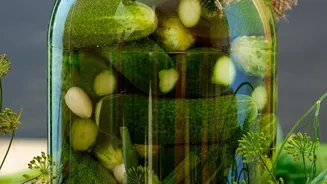
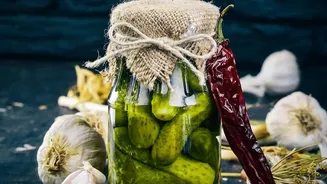
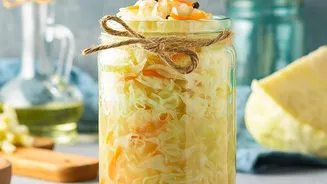
Making your own fermented condiments is simpler than it sounds. The basic principle behind vegetable fermentation, or lacto-fermentation, involves just vegetables, salt, and water. The salt creates a brine that inhibits the growth of spoilage-causing bacteria while allowing beneficial Lactobacillus bacteria, naturally present on vegetables, to flourish. To make a simple fermented pickle, you can submerge vegetables like carrots, cauliflower, or radishes in a salt water brine inside a clean glass jar. Adding spices like mustard seeds or turmeric not only adds flavour but can offer additional anti-inflammatory benefits. Within a few days at room temperature, the fermentation process will begin, creating a tangy and probiotic-rich condiment that is perfect for pairing with your meals.