




The Initial AI Kitchen: A Western Palate
Early forays into AI-powered meal planning were often a source of frustration for Indian users. Ask for a healthy meal, and you might get a suggestion for quinoa salad or grilled chicken with asparagus. These systems, trained on massive datasets of Western
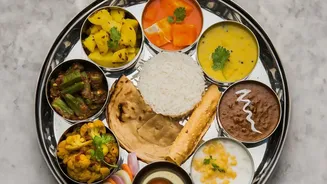
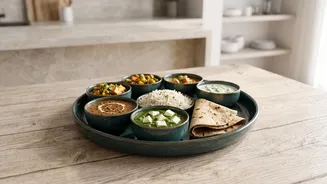
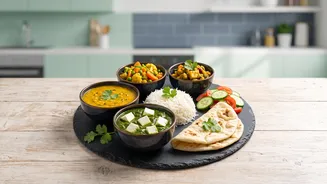
recipes and dietary habits, struggled to comprehend the structure of a typical Indian meal. The concept of a thali, with its multiple components like dal, sabzi, roti, and rice, was alien to models designed around a single main course with sides. This cultural and culinary disconnect meant that for many, these supposedly 'smart' tools were impractical for everyday Indian cooking, forcing users to manually input every local dish and ingredient.
Why Indian Food Is a Unique AI Challenge
Indian cuisine is not just one entity; it's a subcontinent of flavours, techniques, and dietary nuances. An AI model that doesn't understand the difference between a Bengali 'macher jhol' and a Goan fish curry is of little use. The complexity lies in several areas. Firstly, the sheer diversity is staggering, with distinct regional cuisines every few hundred kilometres. Secondly, the art of Indian cooking is in the 'masala'—the blend of spices that varies from household to household, let alone region to region. Thirdly, cooking methods are intricate, and many dishes share similar appearances but have vastly different ingredients and nutritional profiles. Researchers have noted that a sambar and a dal can look almost identical to a computer vision system, making accurate identification and nutritional analysis incredibly difficult.
The Shift: AI Learns to Cook Indian
Thankfully, the landscape is changing. A new generation of AI applications and research projects are being built specifically for the Indian kitchen. Developers are now fine-tuning large language models on vast datasets of regional Indian recipes, teaching them the nuances of flavour pairings and cooking techniques. Startups and tech companies are launching platforms designed from the ground up for Indian users. For instance, apps like PlanNEat come pre-loaded with hundreds of home-style Indian dishes from over 50 regional cuisines, allowing users to build weekly plans that respect their traditions, such as alternating between rice and roti days or planning for non-vegetarian meals only on specific days. These tools understand the combination-based nature of an Indian plate, moving beyond the limiting one-slot-per-meal structure of global apps.
More Than Just Recipes: A True Kitchen Assistant
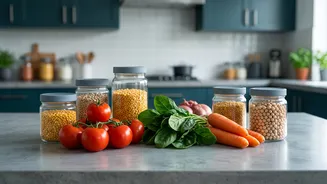
The evolution of AI in the Indian kitchen extends beyond simple recipe generation. These tools are becoming holistic kitchen management systems. The moment a weekly meal plan is set, a comprehensive grocery list is automatically generated, helping families shop efficiently and reduce last-minute scrambles for ingredients. This is a crucial feature in a country where most meals are still prepared from scratch daily. Furthermore, AI is helping to bridge the gap between tradition and modern health consciousness. Users can set rules like 'no deep-fried food on weekdays' or 'one protein-heavy dish a day'. Researchers at institutions like IIIT-Hyderabad are even developing sophisticated AI that can analyse a photo of an Indian thali to estimate its nutritional value—a task vital for managing health conditions like diabetes.
The Future of the AI-Powered Desi Kitchen
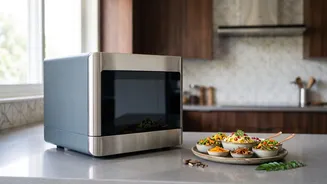
The integration of AI into Indian kitchens is just beginning. The food tech market in India is booming, projected to grow from over USD 14 billion in 2025 to more than USD 46 billion by 2034. The future promises even greater hyper-personalization. Imagine an AI that not only suggests a recipe for 'rajma chawal' but customises the spice level based on your preferences, adjusts the recipe for a diabetic family member, and automatically adds the missing ingredients to your online grocery cart. Some platforms are already experimenting with AI-powered fusion recipes, playfully blending culinary traditions from different Indian states. As AI models become more sophisticated and integrated with smart appliances, they will transition from being a recipe book to an active sous-chef, making cooking more efficient, creative, and tailored to the unique palate of every Indian household.