



The Science of Standing By
In the kitchen, “resting” is an active process where food undergoes significant chemical and physical changes. It’s not about letting food get cold; it’s about allowing molecules to settle, flavours to deepen, and textures to perfect themselves. For meat,
it’s about retaining juices. For doughs, it’s about developing structure and flavour. For batters, it’s about hydration and leavening. Skipping this step is often the invisible barrier between a good meal and a great one. Understanding what’s happening during this downtime can transform your culinary patience and, ultimately, your results.
For Meats: The Secret to a Juicy Bite
When you cook meat, the heat causes its muscle fibres to contract, pushing moisture toward the centre. If you slice into a steak or roast right off the grill, those concentrated juices will pour out onto your cutting board, leaving you with a dry, less flavourful piece of meat. Resting allows the meat to cool slightly, which lets the muscle fibres relax and reabsorb that flavourful liquid. The juices redistribute evenly throughout the cut, ensuring every bite is tender and moist. As a rule of thumb, let steaks rest for at least five to ten minutes. For larger roasts, a rest of 10 to 20 minutes is crucial. This pause also allows for 'carryover cooking,' where residual heat continues to cook the meat, helping it reach the perfect internal temperature without overcooking on the flame.
For Doughs: Giving Gluten a Moment to Relax
When making bread, pizza, or even pie crust, you’re developing gluten by mixing flour and water. Kneading or mixing makes this gluten network tight and elastic. If you try to shape or roll a freshly worked dough, it will often resist and shrink back. Resting allows this tense gluten structure to relax, making the dough more pliable and easier to handle. For yeasted doughs, this resting period, known as fermentation or proofing, is also when the yeast works its magic. It consumes sugars and releases carbon dioxide, which creates the airy pockets that give bread its light texture and develops complex flavours. Skipping these rests can result in a dense, tough final product.
For Batters: Better Pancakes Through Patience
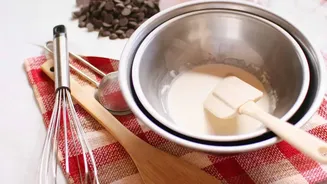
It might seem unnecessary, but letting pancake or crepe batter rest for even 15 to 30 minutes can make a world of difference. First, it allows the flour to fully absorb the liquid, which helps any lumps dissolve and results in a more uniform, velvety texture. Second, it gives the gluten that formed during mixing a chance to relax, preventing tough, rubbery pancakes. Finally, it gives the leavening agent, like baking powder, time to create bubbles of carbon dioxide that will make your pancakes light and fluffy when they hit the hot pan. You can even make the batter the night before and let it rest in the fridge for superior results.
How to Plan for the Pause
Instead of seeing resting time as an annoying delay, build it into your cooking plan. Read a recipe all the way through before you start to identify any resting periods. Use that downtime productively: prepare a side dish, mix a sauce, set the table, or simply clean up as you go. For meats, tenting them loosely with foil will keep them warm while they rest. For doughs, make sure they are in a draft-free place as specified. Understanding that this pause is as important as searing or seasoning is key. It’s the final, patient step that ensures the texture and flavour you worked so hard to create actually make it to the plate.