




The Unifying Rules of the Fast
Navratri fasting, at its core, is a sattvic practice—a diet designed to be light, pure, and calming for the mind during a period of devotion. Across India, this means a common set of exclusions: regular grains like wheat and rice, lentils, onions, garlic,
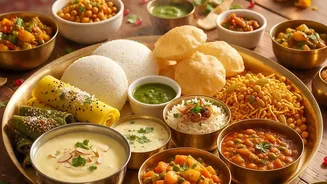
eggs, and meat are avoided. Instead, a special pantry of ingredients is permitted. This includes 'vrat' or fasting-friendly flours like kuttu (buckwheat), singhara (water chestnut), and rajgira (amaranth). Fruits, nuts, dairy products, and certain vegetables like potatoes and pumpkin are also central to the diet. A key swap is the replacement of regular table salt with sendha namak, or rock salt, which is considered a purer form of salt. This shared framework creates a foundation upon which regional culinary identities are built.
Hearty Feasts of the North
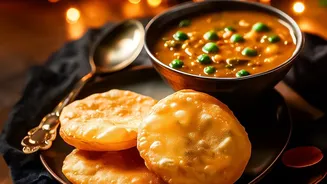
In North India, particularly states like Uttar Pradesh, Punjab, and Uttarakhand, Navratri fasting food is often robust and hearty. The climate and agriculture of the region heavily influence the menu. Flours like kuttu and singhara are staples, used to make pooris, parathas, and pakoras. These are typically paired with a simple but flavorful potato curry, often made with tomatoes and seasoned with rock salt and black pepper. Arbi (colocasia) is another popular root vegetable, prepared as a dry stir-fry or in a creamy yogurt-based gravy thickened with singhara flour. These pseudo-cereals are not technically grains; buckwheat, for instance, is a seed from a fruit, making it permissible for fasting. They provide a high-energy, protein-rich alternative to keep devotees nourished through the nine days.
Western India's Sabudana Staple
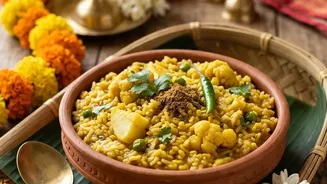
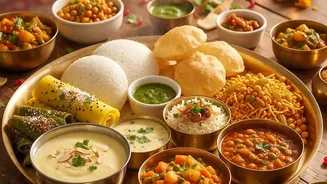
Travel west to Maharashtra and Gujarat, and you'll find a different star ingredient: sabudana, or tapioca pearls. Dishes like Sabudana Khichdi and deep-fried Sabudana Vada are synonymous with fasting in this region. Sabudana, made from the starch of the cassava root, is a fantastic source of carbohydrates, providing a quick energy boost. Its popularity is tied to its versatility and its ability to create filling meals when combined with other vrat-friendly ingredients like potatoes and peanuts. In Gujarat, the 'farali' (fasting) menu also includes unique dishes like Farali Pattice, a potato patty stuffed with a sweet and nutty mixture of coconut and dried fruits, and Thalipeeth, a savoury flatbread made from a mix of fasting flours. These recipes reflect the region's love for sweet and savoury flavour profiles.
The Southern Tradition of Sundal
In South India, the approach to Navratri food is distinct. While strict grain-free fasting is less common, the festival revolves around the 'Golu' doll displays and the preparation of 'sundal' as a daily offering (prasadam). Sundal is a simple and protein-rich dish made from different legumes or lentils, such as chickpeas, black-eyed peas, or peanuts. Each day of Navratri often features a different type of sundal. The preparation is straightforward: the legume is cooked and then tempered with mustard seeds, curry leaves, and a garnish of fresh coconut. Though many North Indian fasts prohibit lentils, their use in the South highlights a significant regional variation in customs. This tradition focuses on offering a nutritious and easily shareable dish to guests who visit to see the Golu displays.