



The Scale of Kitchen-Level Food Waste
Food waste is a monumental issue in India. A staggering 61% of the country's total food waste occurs at the household level. According to a United Nations report, this amounts to an estimated 50 kg of food thrown away per person each year in Indian homes.
While we often picture waste as spoiled produce or expired products, a significant portion comes from perfectly edible food that simply gets rejected at the dinner table—what is known as "plate waste". One of the primary drivers for this is taste. Whether a dish is too bland, too salty, or, very commonly, too spicy, personal preference plays a huge role in whether a meal is finished or discarded.
The Power of Adjustable Seasoning
The concept of 'adjustable spice' is less about a specific gadget and more about a strategic cooking method. It involves preparing a dish with a neutral or minimally spiced base and then allowing each person to customize their own portion. Instead of deciding on a single spice level for a pot of curry or a pan of sabzi that may not suit everyone, you empower each eater to become their own chef. This approach directly addresses the issue of food being rejected due to sensory preferences. Studies and observations in restaurants and schools show that giving diners more choice over their meal, including spice levels, often results in less food being wasted. When people can tailor a dish to their exact liking, they are far more likely to enjoy it and finish the entire serving.
From Theory to Your Table
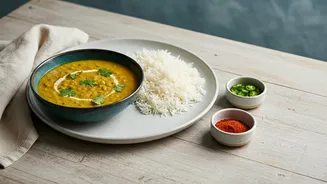
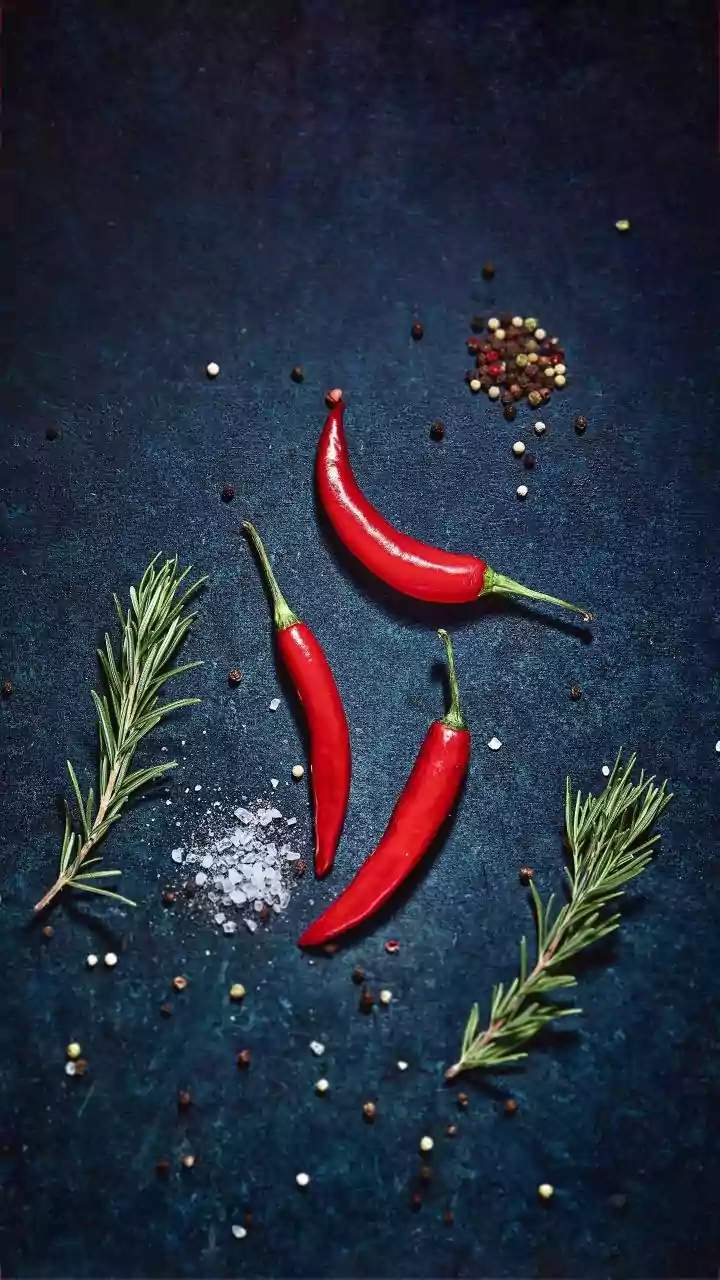
Implementing this strategy at home is simple and can be quite fun. Think of it as creating a mini 'seasoning bar' for your meals. For an Indian meal, you might cook a dal or vegetable curry with only turmeric, coriander, and a pinch of salt. On the side, you can offer small bowls of red chilli powder, finely chopped green chillies, a fiery tadka (tempering) of mustard seeds and dried red chillies in oil, and perhaps some garam masala for warmth. For a non-Indian dish like tacos or pasta, you could offer various hot sauces, chilli flakes, and fresh jalapeños. This method not only caters to different spice tolerances but also accommodates guests or family members who might want to avoid heat altogether. It turns the meal into a more interactive and personalized experience.
Beyond Spice: Customisation is Key
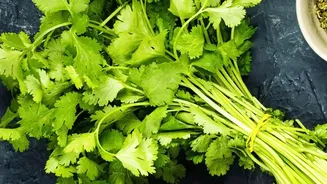
This philosophy extends beyond just chilli heat. The principle is about separating the base preparation from the final, individual flavouring. This could mean leaving the salt level low and letting others add more, or serving a soup with a variety of fresh herbs like cilantro and mint on the side for people to add as they please. It can also apply to sourness, with wedges of lime available to squeeze over a dish. By giving individuals control over the final taste profile, you increase their satisfaction and sense of ownership over the meal. This psychological shift makes them less likely to leave food on their plate. Research has confirmed that sensory preferences are a significant factor in what and how much food is wasted in a household setting.