



A Team in Disarray
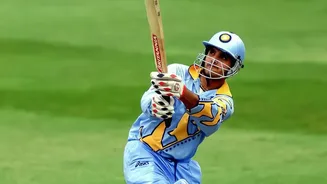
The year 2000 was a dark time for Indian cricket. The match-fixing scandal had shattered the faith of millions of fans, and the team's morale was at an all-time low. Sourav Ganguly was handed the captaincy in the wake of this crisis, tasked with the monumental
job of rebuilding not just a team, but its credibility. The side had immense talent, with legends like Sachin Tendulkar and Rahul Dravid in its ranks, but it was often seen as brittle, lacking the mental fortitude to win tough matches, especially on foreign soil. The perception was of a team that played with skill but not with the fire needed to dominate world cricket.
The Final Frontier: Australia's 2001 Tour
The real test of Ganguly’s new India came in early 2001. Steve Waugh’s Australian team, then the undisputed best in the world, arrived in India on a record-breaking 15-match winning streak. Waugh famously called India the “Final Frontier,” as Australia hadn't won a Test series there since 1969. After Australia comfortably won the first Test in Mumbai, the script seemed to be following a familiar, bleak pattern for India. The second Test in Kolkata would not just define the series, but would become a watershed moment for Indian cricket.
The Miracle at Eden Gardens
In Kolkata, India was forced to follow-on after being bowled out for 171 in reply to Australia's 445. Staring at a massive defeat, VVS Laxman was promoted up the order and played the innings of his life. His partnership with Rahul Dravid is now the stuff of legend. The duo batted for an entire day, piling on 376 runs. Laxman's epic 281 and Dravid's resilient 180 turned the match on its head. This was coupled with a phenomenal performance from a young Harbhajan Singh, who took India’s first-ever Test hat-trick and finished with 13 wickets in the match. India went on to win the Test, becoming only the third team in history to win after following on. They then won the final Test in Chennai to clinch the series 2-1, ending Australia's world-record streak.
A New, Fearless Brand of Cricket
The 2001 series win was about more than just a trophy; it was the birth of a new, aggressive Indian team. Ganguly led from the front with a confrontational style rarely seen before from an Indian captain. He famously made Steve Waugh wait for the toss and wasn't afraid to engage in verbal battles. This attitude began to rub off on the entire team. The iconic image of Ganguly waving his shirt from the Lord's balcony after winning the 2002 NatWest Trophy final became the ultimate symbol of this new-found defiance. It was a clear message: India was no longer there to just participate; they were there to compete and to win, home or away. Under his leadership, India started securing significant overseas victories in England, Australia, and Pakistan.
Forging the Next Generation
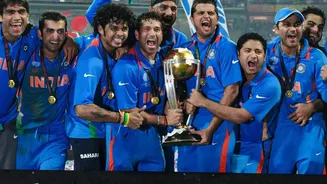
Perhaps Ganguly’s most enduring legacy is the group of young players he nurtured. He fiercely backed talent and gave them the long rope they needed to succeed, a departure from the revolving-door selection policy of the past. He transformed Virender Sehwag into a Test opener, a move that revolutionised the game. He spotted the potential in a young Zaheer Khan, Yuvraj Singh, and Harbhajan Singh, who would form the core of the Indian team for the next decade. He even brought a then-unknown Mahendra Singh Dhoni into the side, giving him the backing to play his natural game. These players, instilled with Ganguly's fearless approach, would go on to win the T20 World Cup in 2007 and the ODI World Cup in 2011.