






Signal a Sensory Shift
Festive events are an assault on the senses—bright lights, loud music, and constant chatter can leave your nervous system on high alert. When you get home, the first step is to change your environment to signal that it's time to rest. Dim the overhead
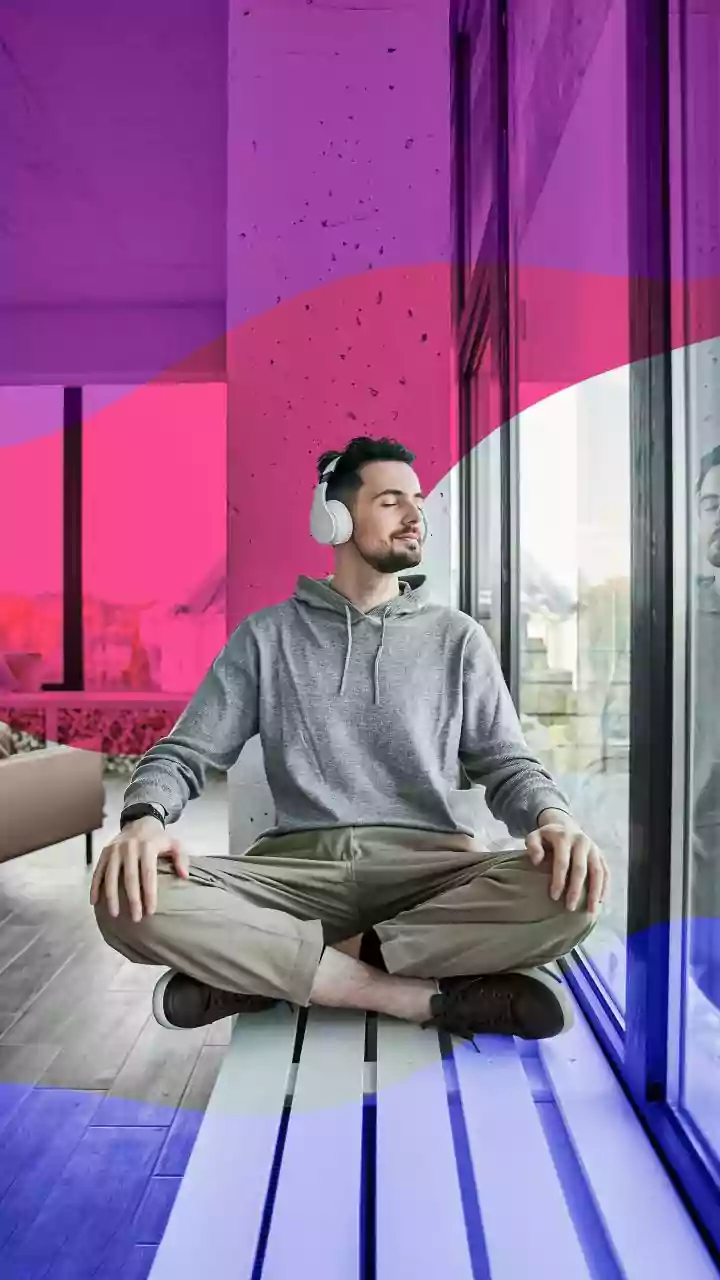
lights and switch to a warm-toned lamp. Swap the lingering festive playlist for soft, instrumental music or even silence. Reducing this sensory input tells your brain that the party is officially over and the wind-down has begun, allowing the production of melatonin, the sleep hormone, to get back on track.
Perform a Mental 'Brain Dump'
One of the biggest culprits of post-party insomnia is a racing mind. You might find yourself replaying conversations or worrying if you said the right thing. This is especially common if you're prone to social anxiety. Before you even try to sleep, grab a notebook and perform a 'brain dump'. Write down everything that's on your mind—stray thoughts, lingering to-do lists, or feelings from the evening. The act of putting these thoughts on paper gets them out of your head, reducing mental clutter and providing a sense of closure on the day's events.
Hydrate and Soothe, Don't Stimulate
While festive drinks are part of the fun, alcohol can significantly disrupt the quality of your sleep. It might help you feel sleepy initially, but it often leads to a more broken and restless night as your body processes it. Once home, focus on rehydration. Water is essential, but a warm, non-caffeinated beverage can be especially calming. Consider herbal teas like chamomile, passionflower, or lemon balm, which are known to support relaxation. Avoid sugary drinks or late-night snacks, as these can also interfere with your body's ability to rest and repair itself overnight.
Engage in Gentle, Restorative Movement
After hours of standing, dancing, and socialising, your body can hold a lot of tension. Instead of jumping straight into bed, dedicate five to ten minutes to gentle physical release. This shouldn't be a strenuous workout, which can be stimulating. Instead, focus on light stretching or restorative yoga poses to release tight muscles. Another effective technique is progressive muscle relaxation (PMR), which involves tensing and then releasing different muscle groups. This simple practice not only eases physical tension but also deepens the connection between mind and body, signalling that it's safe to relax.
Disconnect with a Digital Detox
The temptation to scroll through social media to see party photos or catch up on messages is strong, but it's one of the worst things you can do for sleep. The blue light from phones, tablets, and computers inhibits melatonin production and keeps your brain in an alert state. For at least 30 to 60 minutes before bed, put all screens away. If you need an activity to fill the time, choose something analogue and calming, like reading a physical book, listening to a guided meditation, or simply focusing on your breathing. This creates a crucial buffer zone that allows your mind to slowly power down.