








A Sharper, Healthier Brain
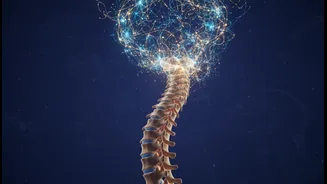
Strength training is not just a workout for your body; it's a workout for your brain. Research shows that regular resistance exercise can have profound effects on cognitive function. It helps improve memory, attention, and executive functions like planning
and decision-making. How does this happen? Lifting weights increases blood flow to the brain, delivering vital oxygen and nutrients that support brain health. It also boosts the production of key hormones and factors like brain-derived neurotrophic factor (BDNF), which is like a fertiliser for brain cells, promoting the growth and survival of neurons. Studies have found that these benefits apply across age groups, and resistance training can even help protect vulnerable parts of the brain as we age, potentially delaying cognitive decline.
Building Stronger Bones for Life
One of the most critical, yet often overlooked, benefits of resistance training is its impact on bone health. As we age, we naturally lose bone density, which can lead to conditions like osteoporosis, making bones weak and brittle. Resistance training is a powerful tool to combat this. When you challenge your muscles by lifting weights, you place mechanical stress on your bones. This stress signals your body to adapt by building new bone tissue, making your bones stronger and denser. Exercises that load the spine and hips, like squats and overhead presses, are particularly effective for strengthening the bones most at risk of fracture. It's an essential strategy for maintaining a strong and resilient skeleton throughout your life.
Supercharging Your Metabolism
While cardio is often praised for burning calories, resistance training plays a unique and crucial role in long-term metabolic health. Muscle tissue is more metabolically active than fat tissue, meaning it burns more calories even when you are at rest. By increasing your muscle mass through strength training, you effectively raise your body's resting metabolic rate. This means you burn more energy throughout the day, which can aid in weight management. Furthermore, resistance training dramatically improves your body's insulin sensitivity. Your muscles become more efficient at taking up glucose from the blood for energy, which helps regulate blood sugar levels and significantly reduces the risk of developing type 2 diabetes.
An Uplifted Mood and Reduced Stress
The connection between exercise and mental well-being is well-established, and strength training is a particularly powerful mood booster. Engaging in resistance exercise triggers the release of endorphins, the body's natural 'feel-good' chemicals, which can lead to a more positive emotional state. Beyond the immediate rush, studies have found that resistance training can significantly reduce symptoms of depression and anxiety, with some research suggesting it can be as effective as other forms of treatment. It also helps regulate the body's stress response system, leading to lower levels of stress hormones like cortisol. The sense of accomplishment from getting stronger and hitting new personal bests can also build self-confidence and improve body image.
Enhancing Everyday Functional Fitness
Functional fitness is about training your body to handle real-life activities safely and efficiently, and this is where strength training truly shines. Stronger muscles make everyday tasks, like carrying heavy groceries, lifting your child, or moving furniture, feel easier and less strenuous. It improves your coordination, balance, and posture, which is crucial for preventing falls and injuries, especially as you get older. By focusing on multi-joint movements that mimic daily life—such as squats (sitting and standing), deadlifts (lifting objects from the floor), and overhead presses (placing items on a high shelf)—you are building a body that is not just gym-strong, but life-strong. This translates into greater independence and a higher quality of life for years to come.