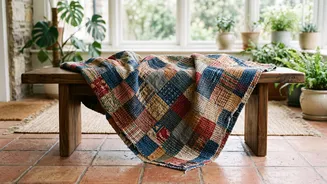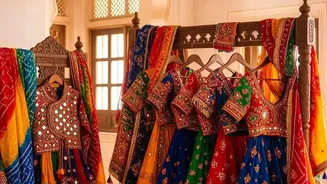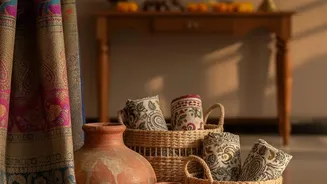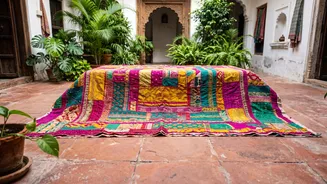






In a world increasingly conscious of waste, a vibrant craft from Gujarat is showing how sustainability and style can be woven together. Meet the Chindi rug, a colourful testament to the art of turning discarded textiles into treasures.
The Meaning in the Name
The story of the
Chindi rug begins with its name. 'Chindi' is a Hindi word that literally translates to 'torn cloth' or 'scraps'. This humble name perfectly captures the essence of the craft: making beautiful, functional floor coverings from the textile industry's leftovers or post-consumer fabric waste. Rooted in a long-standing Indian tradition of resourcefulness, where nothing is wasted, Chindi rugs represent a philosophy of upcycling that has been practiced for generations, long before it became a global trend. This craft transforms what would otherwise end up in a landfill into a burst of colour and texture for the home.
From Scraps to Splendour
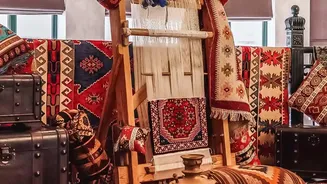
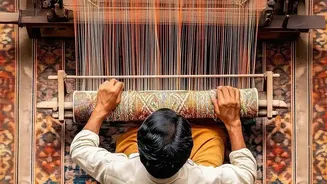
The process of creating a Chindi rug is a labour of love, requiring patience and a keen eye for design. It all starts with collecting and sorting vast quantities of fabric remnants, typically soft cottons, from garment manufacturing units or households. These scraps are thoroughly washed and then meticulously organised by colour. Artisans then cut or tear the fabric into long, uniform strips. These colourful strips become the weft—the threads woven horizontally across a loom. Often, they are braided or woven together with a sturdy warp of cotton or jute yarn. The result is a durable, thick rug, with each piece boasting a unique, unrepeatable pattern of colours, making it a one-of-a-kind work of art.
The Artisans Behind the Weave
While the rugs are beautiful, the story behind them is even more compelling. The craft of making Chindi rugs is a significant source of livelihood, particularly for women in rural communities across states like Gujarat, Rajasthan, and Uttar Pradesh. In many villages, weaving provides a vital income stream, empowering women and offering them financial independence. This handmade sector preserves traditional skills that have been passed down through generations, connecting artisans to a rich cultural heritage that dates back centuries. By choosing a handmade Chindi rug, consumers are not just buying a home decor item; they are supporting these artisan communities and helping to keep an ancient craft alive in the modern world.
A Modern Bohemian Aesthetic
Once seen as a purely utilitarian item in local households, the Chindi rug has found a new and appreciative audience globally. Its vibrant, eclectic look and bohemian charm fit perfectly into contemporary interior design trends that favour texture, personality, and sustainability. These rugs add an instant pop of colour and a playful vibe to any room, whether it's a living room, bedroom, or entryway. For the eco-conscious decorator, Chindi rugs offer the perfect blend of ethical production and aesthetic appeal. Their rise in popularity has been so significant that India now exports millions of pounds worth of these rugs, turning a local recycling tradition into an international success story.