


The Hidden Power in the Peel
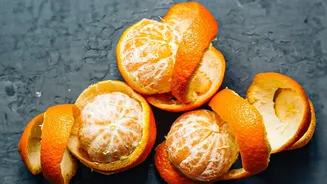
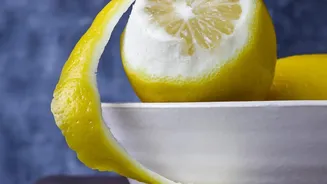
Most of us squeeze lemons for their juice and toss the rest, but the rind is a nutritional powerhouse. Lemon peels are packed with beneficial compounds, including potent antioxidants, vitamin C, and essential oils like limonene. More importantly for our
gut, they are an excellent source of dietary fibre, particularly a soluble fibre called pectin. This often-overlooked part of the fruit holds the key to creating a flavourful and functional kitchen staple, turning what was once food waste into a wellness ingredient.
Decoding the Gut-Friendly Connection
So, what makes these preserves “gut-friendly”? The magic lies in the high pectin content of the rinds. Pectin acts as a prebiotic, which means it serves as food for the beneficial bacteria living in your gut, such as Bifidobacteria and Lactobacillus. A thriving community of these good microbes is essential for healthy digestion, a strong immune system, and overall well-being. By nourishing these bacteria, you help maintain a balanced gut microbiome. Furthermore, when you preserve lemons using traditional salt-curing methods, you are initiating lacto-fermentation. This process can create probiotics—the beneficial bacteria themselves—adding another layer of gut support to your homemade preserves.
A Simple Recipe for Preserved Lemon Rinds
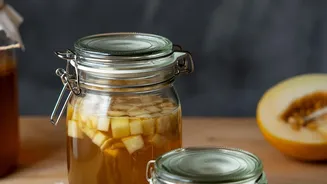
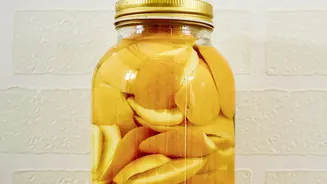
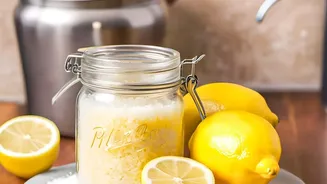
Creating your own gut-friendly lemon preserves is surprisingly easy. You'll need about 5-6 organic lemons (it's best to use organic to avoid wax coatings), a quarter cup of good-quality sea salt, and a clean glass jar. Start by washing the lemons thoroughly. Cut them into quarters lengthwise, but don't slice all the way through; leave them connected at the base. Generously pack the inside of each lemon with salt. Place the salted lemons into your jar, pressing them down firmly to release their juices. You can add spices like bay leaves or coriander seeds for extra flavour. Pack the jar tightly. Squeeze the juice from one or two extra lemons to pour over the top, ensuring all the lemons are completely submerged in liquid. This salty, acidic brine is what will preserve the lemons and allow fermentation to begin.
Fermentation, Storage, and Patience
Once your jar is packed and sealed, the waiting game begins. Leave the jar at room temperature, away from direct sunlight, for at least one to two weeks. It's a good practice to gently shake the jar or turn it upside down once a day for the first week to help distribute the salt and juices evenly. You may see some bubbling, which is a sign that fermentation is active. After this initial period, the lemons will have softened and their intense sharpness will have mellowed. Transfer the jar to the refrigerator, where the preserves will continue to develop flavour and can last for a year or even longer. The longer they sit, the more complex and delicious their flavour becomes.
How to Use Your Homemade Preserves
Now for the best part: using your creation. To use the preserved lemons, you typically rinse off the excess salt, remove the pulp (which can be very salty), and finely chop the softened rind. The flavour is intensely lemony, slightly salty, and complexly savoury—a far cry from fresh lemon zest. It's a transformative ingredient in North African and Middle Eastern cuisine, especially in tagines and stews. But its uses are endless. Mince the rind and toss it into salad dressings, mix it into grain bowls with quinoa or couscous, blend it into marinades for chicken or fish, or fold it into yogurt or labneh for a zesty dip. It adds a unique, bright kick that can elevate almost any dish.