








The Allure of the Instant Itinerary
Artificial intelligence has revolutionised travel planning. Tools like ChatGPT, Gemini, and dedicated travel apps can digest your interests, budget, and timeline to produce a detailed day-by-day schedule. Want a seven-day tour of Kerala’s backwaters with
a focus on vegetarian food and boutique stays? A three-day historical walk through Delhi? An AI can generate a first draft in moments, saving you hours of searching through blogs and booking sites. These platforms are brilliant at identifying potential activities and structuring a trip. They analyse vast amounts of data to suggest popular attractions, personalised experiences, and even efficient routes. This convenience is undeniable, making travel planning more accessible than ever. However, this efficiency comes with a significant blind spot.
AI's Dangerous Weather Blind Spot
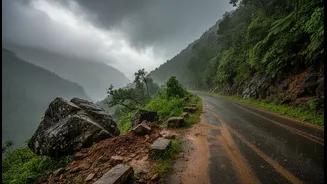
The core problem is that many AI models, particularly general-purpose chatbots, are not truly ‘live’. They are often trained on data that could be months or even years old. While some advanced planners connect to real-time APIs for flight prices, they may not have sophisticated integration with live weather data feeds. An AI might not distinguish between a light shower and the start of a monsoon deluge that could cause landslides in the Himalayas. It may plan a perfect beach day in Goa, unaware of a red alert for dangerously high tides and strong currents that make swimming fatal. The AI provides an itinerary based on ideal conditions, but travel in India is often dictated by the reality of its dynamic, and sometimes extreme, weather patterns.
Why This Matters for Indian Travellers
In a country with climates as diverse and powerful as India’s, ignoring weather isn't just inconvenient—it's dangerous. The monsoon season, while making landscapes beautiful, brings with it the real risk of flash floods and landslides, capable of shutting down roads and railways for days. A heatwave in the northern plains isn't just uncomfortable; it can be a serious health risk. Your AI-planned trek might not know that the trail becomes impassable after rain, or that local authorities have issued a warning to avoid a specific area. The AI suggests what is possible in theory, but it often lacks the crucial, on-the-ground context that local weather advisories from sources like the India Meteorological Department (IMD) provide.
Treat AI as Your Co-Pilot, Not the Pilot
So, should you abandon AI for travel planning? Absolutely not. The key is to change your mindset. Don't treat the AI’s output as a finished, fact-checked product. Instead, see it as a creative and helpful first draft. It’s your research assistant, not your tour guide. Use its suggestions to discover new places and create a basic structure, but always assume you are the one in charge of verification and safety. The best approach is to combine the creative power of AI with your own human judgment and reliable, up-to-the-minute information.
A 4-Step Weather-Proofing Plan
Building a resilient itinerary is straightforward. First, generate your itinerary using your preferred AI tool, being as specific as possible with your prompts. Second, before you book anything, manually verify every key detail—especially anything weather-dependent. Check the IMD website and trusted news sources for forecasts and warnings for your destination. Third, build flexibility into your schedule. Don’t pack your days so tightly that a sudden downpour ruins everything. Have a backup plan for indoor activities. Finally, in the days leading up to and during your trip, set up real-time weather alerts on your phone. Follow local authorities' advice and don't take risks, even if the sky looks clear at the moment.