




The Sun's Energetic Timetable
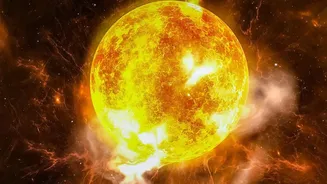
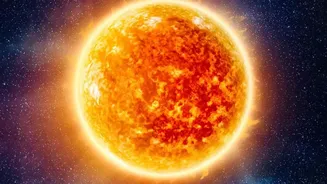
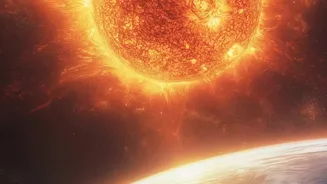
Every 11 years or so, the Sun goes through a cycle of activity, moving from a quiet phase (solar minimum) to a turbulent peak (solar maximum). This peak is defined by a surge in sunspots—dark, magnetically complex regions on the solar surface. We are
currently in Solar Cycle 25, which has proven to be much more energetic than initially predicted. Original forecasts pointed to a peak in mid-2025, but revised predictions from agencies like NOAA confirmed that activity ramped up faster and stronger, with the maximum likely occurring in late 2024. However, a solar maximum is not a single event but a season of high activity. This energetic period lasts for a few years around the peak, meaning 2026 is still set to experience the dazzling afterglow of this powerful solar phase.
From Solar Storm to Earthly Light Show
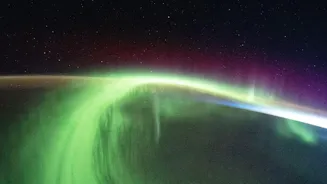
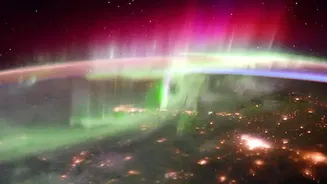
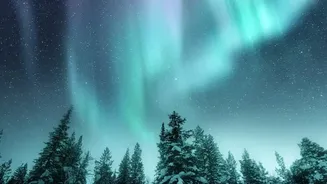
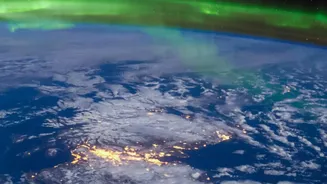
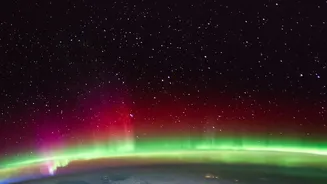
The incredible light shows we see on Earth are born from chaos on the Sun. During solar maximum, the Sun is more likely to produce powerful solar flares and massive explosions known as coronal mass ejections (CMEs). These CMEs blast billions of tons of charged solar particles into space. If Earth is in the path of one of these eruptions, the particles are guided by our planet's magnetic field toward the poles. There, they collide with oxygen and nitrogen atoms in the upper atmosphere. This collision excites the atoms, causing them to release energy in the form of light, creating the dancing ribbons of the aurora. More intense solar storms send a greater density of particles, leading to auroras that are brighter, more dynamic, and visible over a much wider area.
Why This Aurora Season Is Different
This cycle is particularly special for aurora hunters. Not only is it significantly stronger than the relatively quiet Solar Cycle 24, but some solar scientists also believe it may feature a “double peak.” This phenomenon, where the Sun's northern and southern hemispheres peak at slightly different times, can create a longer period of high solar activity. This could extend the window for prime aurora viewing well into 2026. The increased strength of this cycle was dramatically demonstrated in May 2024, when the most powerful geomagnetic storm in two decades hit Earth. That event, dubbed the Gannon Storm, produced auroras visible in places that almost never see them, a testament to the power of the current solar maximum.
Seeing the Northern Lights Further South
The term “global auroras” in the headline refers to this extraordinary expansion of visibility. During a typical year, you need to be in the Arctic Circle to reliably see the Northern Lights. However, during a powerful solar maximum like this one, the auroral oval—the ring of light around the pole—can expand dramatically. The May 2024 storm pushed the aurora as far south as Mexico and Hawaii, a truly rare occurrence. While sightings that far south are exceptional, it means that during strong geomagnetic storms in 2026, the lights could be visible across parts of the northern United States, the UK, and central Europe—latitudes that normally miss out on the show. For those in India, direct visibility remains highly improbable due to geographic latitude, but the global excitement underscores a remarkable period for celestial events.
More Than Just a Pretty Sight
While we enjoy the beautiful displays, intense solar activity has a more serious side. The same solar storms that create stunning auroras can pose risks to our technology-dependent world. Strong geomagnetic storms can disrupt radio communications, damage satellites in orbit, and even strain power grids on the ground. Astronauts on space stations are also exposed to higher levels of radiation. These impacts are why space weather agencies like NOAA and NASA closely monitor the Sun's activity, providing forecasts that help industries prepare for and mitigate the effects of solar storms. The ongoing activity in 2026 will keep these agencies on high alert.