






The End of the Off-Season
For decades, India's travel industry operated on a predictable schedule: a frantic winter peak and a quiet monsoon lull. The period from June to September was largely seen as a time to avoid. That perception has dramatically changed. Recent data shows
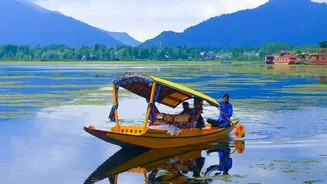
a significant spike in domestic travel during these once-overlooked months. According to one July 2026 report, hotel bookings during the monsoon season have jumped by nearly 54% year-on-year. Travel platforms have noted similar trends, with one report citing that July bookings were pacing nearly 10% ahead year-on-year for a major hotel group. The rains are no longer viewed as a deterrent but as an attraction, transforming landscapes into lush spectacles and creating a vibrant new travel season.
A Shift in Traveller Mindset
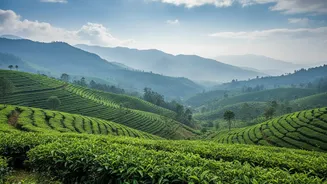
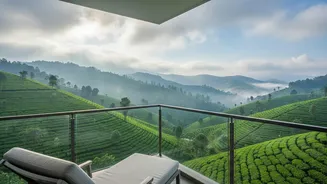
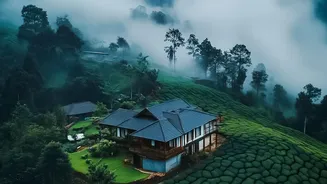
So, what’s behind this downpour of tourists? A key driver is a fundamental shift in what travellers want. Increasingly, Indians are prioritising unique experiences over conventional sightseeing. The monsoon offers just that: a chance to see familiar places in an entirely new light. The appeal lies in the rain-washed landscapes, misty hills, and cooler temperatures. Destinations are often less crowded, allowing for more peaceful and immersive experiences. This pivot towards 'experience-led' travel means vacationers are actively seeking out the unique charm of the rainy season, from the romantic atmosphere to the opportunity for cosy, indoor relaxation. Platforms like Instagram, filled with images of cascading waterfalls and verdant hills, have also helped rebrand the monsoon as a desirable travel period.
Where the Rain Leads
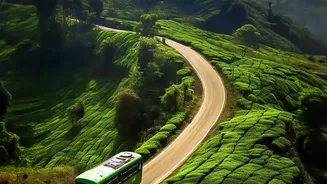
This trend is not uniform; certain destinations are becoming monsoon hotspots. The Western Ghats are a major draw, with hill stations like Lonavala, Mahabaleshwar, Munnar, and Coorg turning into green paradises. These locations, often a manageable drive from major cities like Mumbai, Pune, and Bengaluru, are perfect for short weekend getaways. Data from booking platforms shows a massive increase in searches for hill destinations. Rishikesh saw searches grow over 200% year-on-year, while Mussoorie registered a 160% increase. It's not just the hills; Goa continues to attract visitors with its quieter, greener monsoon persona, and flight searches have seen a 10-15% uptick. Even Rajasthan, known for its arid landscapes, is gaining popularity as a monsoon destination, with tourists drawn to its replenished lakes and lush wildlife sanctuaries.
The Industry's Smart Response
The travel and hospitality industry has been quick to adapt and even fuel this trend. Recognising the growing demand, hotels and travel companies are no longer treating the monsoon as a lean period. Instead, they are rolling out attractive deals and curated monsoon packages to entice travellers. Luxury hotels, which are often prohibitively expensive during peak season, become more affordable, offering five-star experiences at a fraction of the cost. This strategy makes a quick monsoon trip an accessible luxury for many. The focus has shifted from merely filling rooms to crafting specific monsoon experiences, such as wellness retreats in Kerala, plantation tours in Coorg, or promoting the unique beauty of destinations like the Northeast, which has seen a 62% year-on-year rise in flight bookings.
The New Rules of Rainy Day Travel
This surge has implications for travellers. The primary one is that the concept of an 'off-season' discount is fading in popular monsoon destinations. With demand on the rise, waiting for last-minute deals may no longer be the best strategy. While the monsoon still presents value compared to the peak winter season, the price gap is narrowing. The unpredictability of weather, which can lead to road closures or flight delays, also makes planning crucial. In response, savvy travellers are increasingly opting for flexible bookings that allow for changes without hefty penalties, balancing the desire to book early for better rates with the need for adaptability. This new reality means planning a monsoon getaway now requires the same level of forethought that was once reserved for peak-season holidays.