



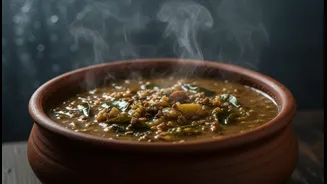


The Enduring Tradition of Oushadha Kanji
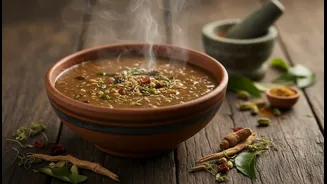
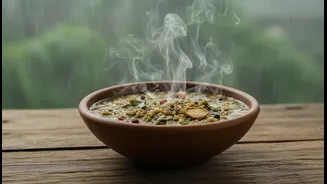
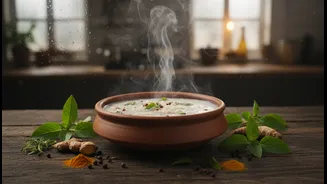
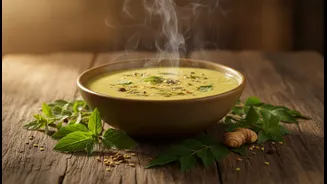
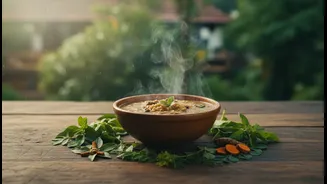
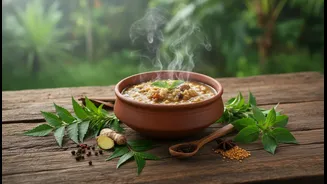
Karkidaka Kanji, also known as Oushadha Kanji or medicinal gruel, is a cornerstone of Ayurvedic seasonal care in Kerala. Consumed during the Malayalam month of Karkidakam (mid-July to mid-August), it is designed to counter the health challenges of the monsoon.
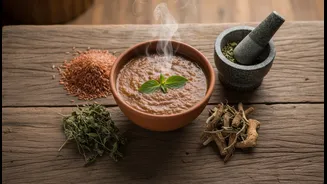
According to Ayurveda, the damp, cool weather weakens the digestive fire, or 'Agni', and lowers overall immunity, making the body susceptible to illness. This special porridge, made with easily digestible Njavara rice, coconut milk, and a potent blend of herbs and spices, works to boost digestion, strengthen the body’s defences, and gently detoxify. The recipe is a time-tested formula for resilience, helping to ward off common monsoon ailments like fevers, colds, and joint pain.
What Is New This Season: Convenience and Commercialisation
The most significant recent development in the world of Karkidaka Kanji is its leap from the family kitchen to the supermarket shelf. What was once a purely homemade preparation, requiring the careful sourcing of numerous fresh herbs, is now widely available in ready-to-cook kits. These convenient packets, containing dried herbs, rice, and spices, cater to a new generation of health-conscious but time-poor individuals living in urban centres. The trend doesn't stop there. Karkidaka Kanji is now being marketed globally as a gut-healing superfood and finding its way into modern formats like smoothies or side dishes, reflecting a blend of tradition and contemporary lifestyle needs. This commercialisation has made the tradition more accessible than ever, allowing it to thrive beyond its traditional geographic and generational boundaries.
What Truly Matters: The Holistic Approach
While the porridge itself is the star, Ayurvedic practitioners and traditionalists emphasize that its true benefits are unlocked when it is part of a larger, holistic regimen. This is the essence of 'Karkidaka Chikitsa'—a comprehensive monsoon wellness plan. What truly matters is not just consuming the kanji but also adhering to 'pathyam', a prescribed diet that involves avoiding heavy, fried, and non-vegetarian foods that can tax the digestive system. The period is also meant for rest and introspection, a time to slow down and allow the body to heal and rejuvenate. The Kanji is the medicinal anchor, but the real principle is 'Ahara as Aushadha'—food as medicine—where the entire lifestyle is geared toward restoring balance and vitality.
What Remains Unclear: Debates and Doubts
The rise of convenient Kanji kits has sparked a debate: are they as effective as the traditional versions made with fresh ingredients? While the kits offer accessibility, some argue that the potency of dried herbs may not match that of fresh ones. Another area of ambiguity lies in scientific validation. While the individual ingredients have well-documented medicinal properties in Ayurveda and modern studies, comprehensive clinical trials on the complete Karkidaka Kanji formulation are scarce. Its efficacy is largely supported by centuries of traditional use and anecdotal evidence. Finally, as the porridge gains global fame, there is a growing concern about decontextualization—the risk of it becoming just another wellness fad, detached from the rich cultural and holistic framework that gives it meaning.