






More Than Just Hot Air
Inflatable space habitats are not like party balloons. They are sophisticated structures made from multiple layers of high-strength, flexible materials like Vectran and Kevlar. These fabrics are woven into a shell that is incredibly durable once inflated
by the internal air pressure against the vacuum of space. The concept, explored by NASA for decades, involves launching the module in a compressed state, neatly packed inside a standard rocket fairing. Once in orbit, it expands to its full size, creating a massive internal volume. This approach contrasts sharply with traditional rigid modules, which are limited by the width of the rocket they launch on. Companies have subjected these designs to rigorous testing, including inflating them to bursting point to prove they can exceed safety requirements and firing projectiles at them to ensure they can withstand impacts from micrometeoroids and orbital debris.
The Volume-to-Mass Advantage
The single biggest driver for adopting inflatable habitats is economics. In the world of space launches, mass and volume are everything. Every kilogram sent to orbit costs a significant amount of money, so making spacecraft lighter and more compact for launch is critical. Inflatable habitats offer a far greater volume of living and working space for a given mass compared to their rigid aluminum counterparts. For example, Sierra Space, a key player in this field, claims that its Large Integrated Flexible Environment (LIFE) habitat can pack into a 16-foot fairing but expand to the size of a three-story apartment building in orbit. This efficiency means fewer, cheaper launches are needed to construct a large, capable space station, fundamentally changing the business case for commercial operations in low-Earth orbit.
The Companies Building the Future
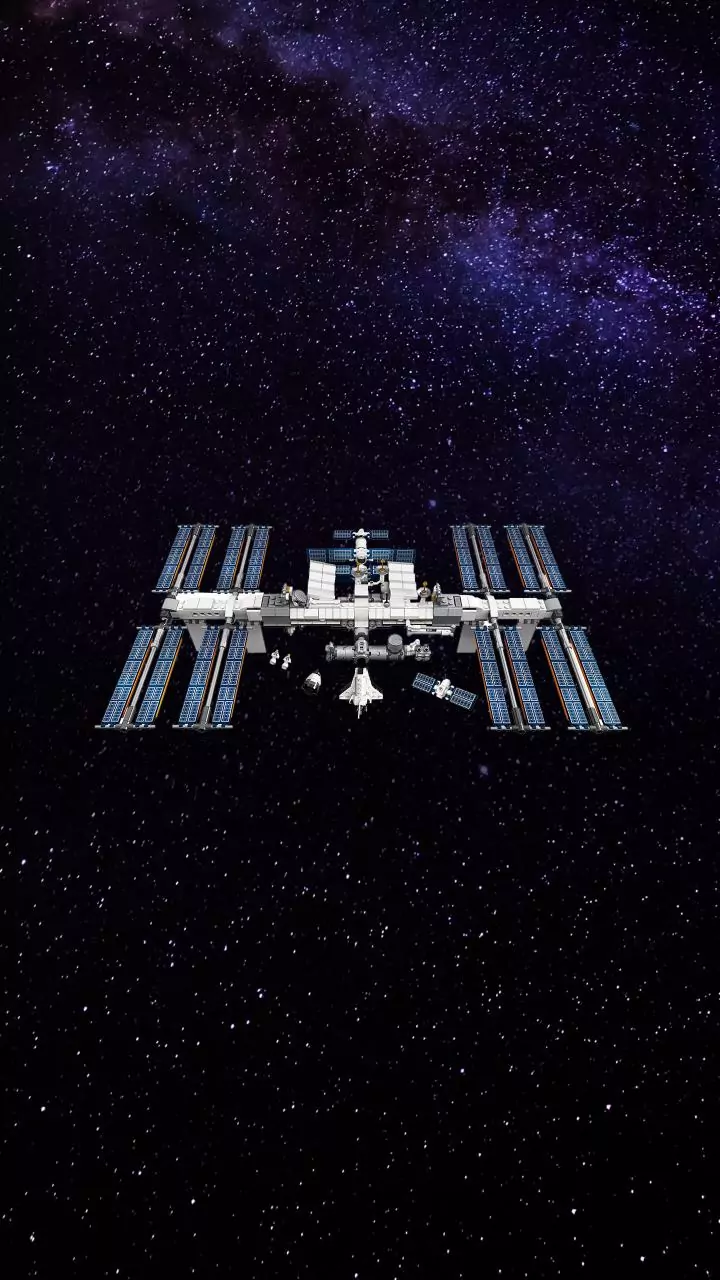
Several commercial space companies are leading the charge. Sierra Space is developing its LIFE habitat, with plans to launch a pathfinder version as a standalone station as soon as late 2026. This technology is also a core component of the proposed Orbital Reef space station, a collaboration with Blue Origin. Another major contender is Vast, which is developing the Haven-1 station. While its initial station is a rigid design targeting a 2027 launch, its long-term plans include modular designs that could incorporate expandable technology. Other established aerospace firms like Lockheed Martin are also actively testing their own inflatable concepts, signaling a broad industry trend. This new generation of station developers is aiming to have commercial platforms operational before the International Space Station (ISS) is retired around 2030, ensuring a continuous human presence and research capability in orbit.
A New Frontier for Research
These expansive new habitats are being designed as next-generation laboratories for low-gravity research and development. The microgravity environment offers unique advantages for a range of industries. In pharmaceuticals, the absence of gravity-driven convection and sedimentation allows for the growth of more perfect protein crystals, aiding in drug design. Materials science benefits from the ability to create unique alloys and purer fiber optic cables that are impossible to produce on Earth. Other fields like bioprinting, where human tissues are created layer by layer, also show immense promise. The increased and more affordable access to space promised by these commercial stations could unlock breakthroughs for terrestrial industries, creating a vibrant in-orbit economy driven by scientific and manufacturing innovation.