



More Than Just a Health Fad
For generations, a significant portion of India has followed a vegetarian diet rooted in culture and religion. But the new wave of plant-based eating is different. It’s a conscious choice driven by a modern trinity of concerns: personal health, environmental
sustainability, and animal welfare. Younger urban Indians, particularly millennials and Gen Z, are leading this charge. They are globally connected, digitally savvy, and increasingly questioning the industrial food system. Documentaries on streaming platforms, coupled with a surge in wellness and climate change discourse on social media, have created a powerful narrative. This isn't just about avoiding meat; it's about actively choosing alternatives that align with a progressive, conscientious lifestyle.
The New Plant-Based Pantry
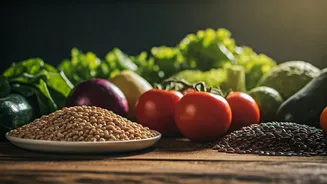
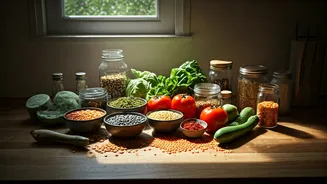
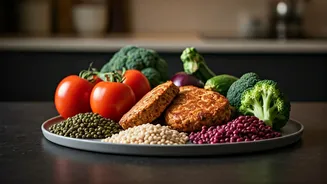
The most visible sign of this shift is the food itself. The modern Indian plant-based kitchen looks very different from its traditional vegetarian counterpart. It’s no longer just about paneer and lentils. Today, you’ll find oat milk frothing in cafe lattes, almond milk being used for homemade kheer, and artisanal vegan cheeses that actually melt. The real game-changer, however, has been the rise of mock meats. Startups and established brands are now offering plant-based substitutes for chicken, mutton, and even seafood, made from soy, pea protein, and jackfruit. These products are designed to mimic the taste and texture of meat, making it easier for committed non-vegetarians to transition or simply reduce their meat consumption without sacrificing the flavours they love. Think plant-based chicken biryani or a keema pav where the keema is made from textured vegetable protein.
From Niche Market to Supermarket Aisle
What was once a niche interest, confined to exclusive vegan cafes in metro cities, is now rapidly entering the mainstream. According to reports from organisations like the Good Food Institute (GFI) India, the Indian plant-based market is witnessing explosive growth. This is fuelled by both homegrown startups and large, established food corporations entering the fray. Celebrity influence has also played a massive role in normalising the trend. When public figures like Virat Kohli and Anushka Sharma invest in and advocate for plant-based brands, it sends a powerful message to millions of followers. Restaurants, from quick-service chains to fine-dining establishments, are now proudly advertising their plant-based options, moving them from a footnote to a featured section on the menu. This increased visibility and accessibility are crucial; people are more likely to try something new when it’s readily available at their local grocery store or favourite eatery.
Reimagining Culinary Traditions
Perhaps the most exciting part of this movement is that it’s not about replacing Indian cuisine but about innovating within it. Chefs and home cooks are not just adopting Western vegan recipes; they are creatively reinterpreting Indian classics. Imagine a rich, creamy 'butter chicken' where the chicken is a plant-based alternative and the 'butter' is a cashew cream. Or a Goan fish curry made with banana blossoms that flake just like fish. This approach respects culinary heritage while embracing new ingredients and philosophies. It demonstrates that Indian food, with its incredible diversity and mastery of spices, is uniquely positioned to lead a global plant-based revolution. It's a culinary evolution that feels both authentically Indian and excitingly new.