





From Possessions to Postcards
A growing body of research makes it clear that Indian consumers are increasingly prioritising spending on experiences over physical products. One recent Ipsos study found that an overwhelming 71% of customers in India now choose brands based on the experience they
expect, rather than just the price tag. Another report, the Experiential Retail Index, noted that 78% of consumers would rather spend their money on experiences than on goods. This isn't a minor fluctuation; it's a foundational change in consumer values. The desire for a new smartphone or designer handbag is being replaced by the pursuit of memorable moments, whether that's a weekend music festival, a wellness retreat, or a unique culinary adventure. This pivot from materialism to memories is reshaping the entire commercial landscape, forcing businesses to rethink how they connect with customers.
The Millennial and Gen Z Effect
Driving this transformation are India’s younger consumers: Millennials and, most notably, Gen Z. For these digitally native generations, status is defined less by ownership and more by the unique, shareable moments they collect. Social media has turned travel, concerts, and other live events into powerful social currency. Recent findings show that this generation views travel as an expression of their identity. An Airbnb report from early 2026 revealed that 62% of India's Gen Z plan to travel specifically for concerts and music festivals this year. Many are willing to allocate a significant portion of their monthly income—up to 40% in some cases—for such music-led travel. This demographic isn't just influencing niche markets; their preferences are setting the agenda for the future of consumption in India.
The Data Behind the Dollars
The numbers paint a vivid picture of this economic shift. A recent projection by the Events and Entertainment Management Association (EEMA) estimates that India’s experience economy is set to nearly double, growing from approximately $32 billion in 2024 to nearly $60 billion by 2030. This growth isn't confined to the metros. A July 2026 report highlighted that spending on travel has more than doubled in India's Tier 2 and Tier 3 cities, indicating a widespread appetite for exploration. According to Bain & Company, a staggering 70% of Indians now prioritise experiences over material possessions. This trend holds even in the luxury sector, where spending on experiential services is growing faster than spending on products. Consumers are demonstrating a clear preference for value that is measured in memories, not just in material worth.
How Indian Businesses Are Responding
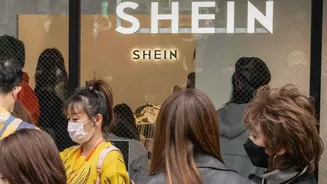
This consumer-led revolution is forcing industries to adapt or risk becoming irrelevant. The concept of 'retail therapy' is evolving into 'retail-tainment', where physical stores become immersive spaces for engagement rather than just points of sale. Brands that started as online-only ventures are now investing in physical, experience-led stores to build deeper connections with customers. Meanwhile, the travel, live entertainment, and hospitality sectors are experiencing a major boom. A McKinsey report from June 2026 identified the acceleration of the experience economy as a key trend in India, fuelled by a young, urban consumer base demanding more live events and travel opportunities. From curated travel packages to large-scale music festivals, the most successful businesses are those selling not just a product, but a moment to remember.