




A Symphony in Pink and White
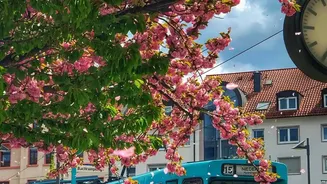
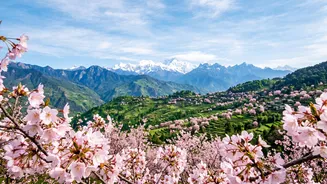
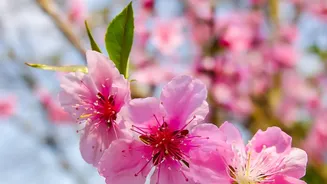
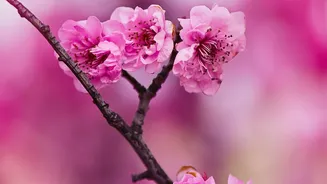
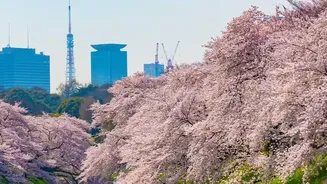
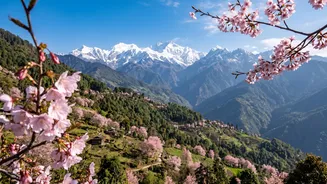
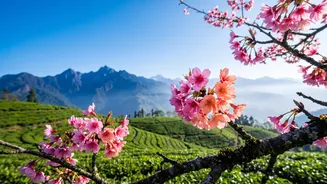
Each autumn, the hills of South Sikkim come alive with the delicate blooms of the Himalayan wild cherry, or Prunus cerasoides. Unlike the spring blossoms of Japan, Sikkim's cherry trees flower in November, creating a stunning contrast against the lush
green of the tea gardens and the crisp blue sky. The Sikkim Cherry Festival is a celebration of this natural wonder, drawing visitors from across the country to witness the slopes painted in shades of pink. The festival is centered around the Temi Tea Garden, the state's only tea estate, offering a unique blend of natural beauty, cultural immersion, and aromatic local tea. With the majestic Kanchenjunga range often visible in the background, it’s a photographer’s dream and a perfect escape for nature lovers.
The 2026 Schedule at a Glance
The Temi Tarku Tourism Development Committee (TTTDC), in association with the Temi Tea Estate, has announced the dates for the 2026 festival. This year's event is set for an extended 15-day period, running from November 14 to November 28, 2026. This longer duration gives visitors greater flexibility to plan their trip and experience the blossoms at their peak. The primary venue for the festivities will be the scenic Temi Tea Garden in Namchi district, South Sikkim. While some earlier reports mentioned a shorter four-day event from November 25-28, the latest confirmation points to the two-week celebration. Visitors should note that there have been different cherry blossom events in the past, including one run by the state government with a focus on astro-tourism, so it's wise to confirm you are attending the TTTDC event at Temi.
What to See and Do
The festival is much more than just blossom viewing. While a detailed programme for 2026 is yet to be published, previous editions offer a glimpse of what to expect. Visitors can immerse themselves in local culture with traditional dance and music performances. Food stalls serving authentic Sikkimese cuisine, including momos and thukpa, are a major highlight. For the adventurous, activities like paragliding, mountain biking, zip-lining, and horse riding are often part of the celebration. As the festival is hosted at a tea estate, tea tourism plays a central role. You can take guided factory tours, participate in tea-tasting sessions, and purchase organic Temi tea at promotional prices. In the evenings, the atmosphere becomes magical with bonfires, barbecues, and live music.
Planning Your Trip to Temi
Reaching the festival is straightforward. The nearest major airport is Bagdogra (IXB) in West Bengal, approximately 102-124 km from the Temi region. From the airport, you can hire a taxi for the 4-5 hour drive to South Sikkim. The closest railway station is New Jalpaiguri (NJP), also in West Bengal, from where taxis and shared jeeps are readily available. Sikkim also has its own airport at Pakyong (PYG), about 35 km from Gangtok, which offers another option for connectivity. Given the festival's popularity, it is highly recommended to book accommodation in advance. Options are available in and around Temi, as well as in nearby towns like Namchi and Ravangla. Indian tourists may need a Protected Area Permit (PAP) for certain areas near the border, though not typically for South Sikkim, while most foreign nationals require a Restricted Area Permit (RAP) to enter the state.
Travel Tips for the Best Experience
To make the most of your visit, keep a few things in mind. November weather in the hills of Sikkim can be chilly, especially in the mornings and evenings, so packing warm layers is essential. Mornings generally offer the clearest views of the mountains and are ideal for photography before the crowds build up. While digital payments are becoming more common, it's always wise to carry some cash for smaller stalls and local transport. Finally, remember that the festival is a celebration of local community and nature. Engage respectfully with the culture, savour the organic produce, and take the time to simply walk among the tea bushes and cherry trees for an unforgettable experience.