
Understanding Your Delicacies
Before you can store your Diwali treats correctly, you need to understand what makes them spoil. The main culprits are moisture, air, and temperature. Delicacies are broadly divided into three categories based on their primary ingredients, which dictates
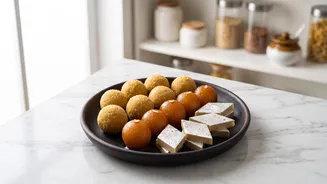
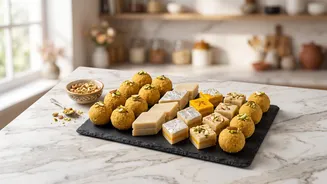
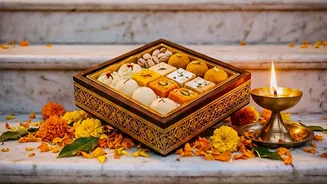
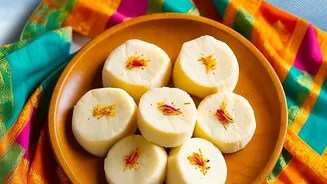
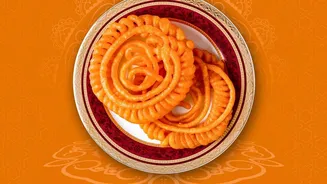
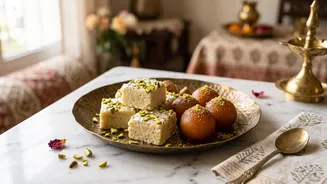
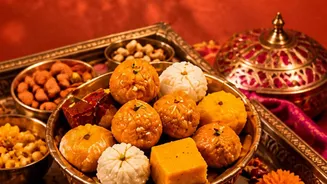
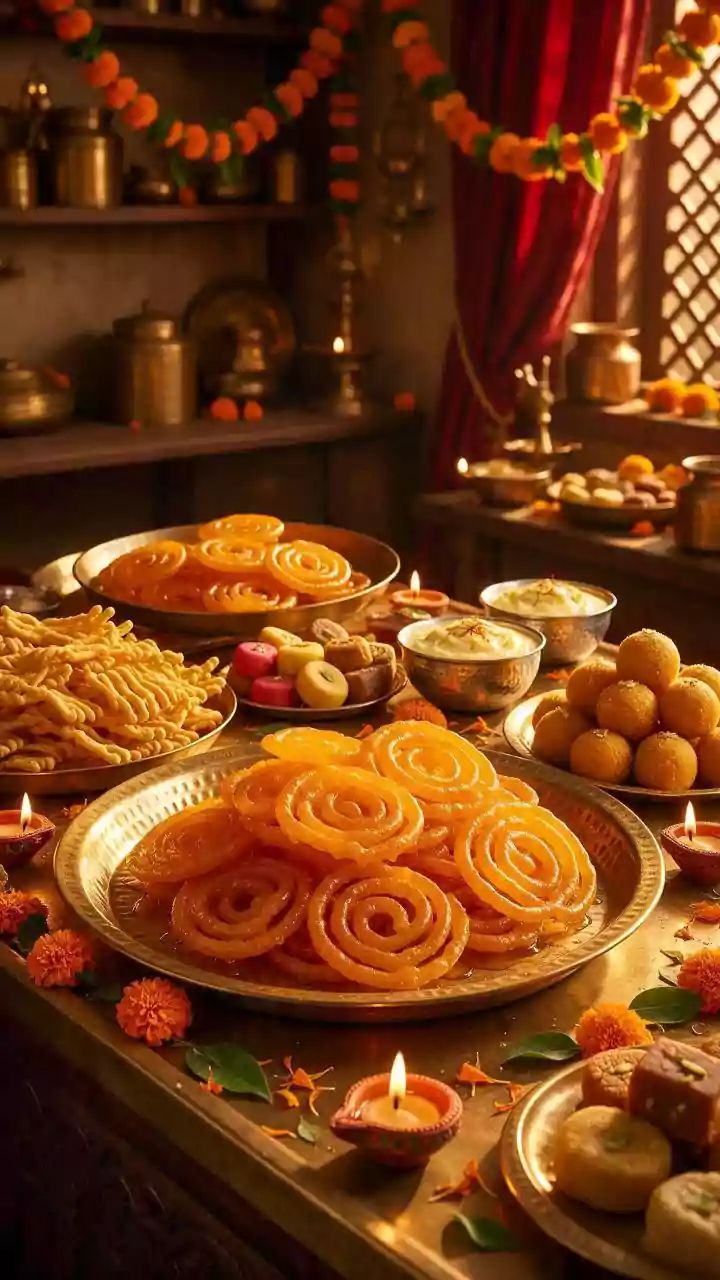
their shelf life. Milk or khoya-based sweets like gulab jamun, rasmalai, and pedas are high in moisture and perish the fastest. Ghee, flour, and nut-based sweets such as besan laddoos, kaju katli, and mathri have less moisture and last longer. Lastly, dry, fried snacks like chakli, sev, and shankarpali have the longest shelf life due to their low moisture content. Knowing which category your delicacy falls into is the first step toward effective preservation.
The Refrigerator: Your First Line of Defence
For the most perishable sweets, the refrigerator is non-negotiable. Milk-based and syrupy sweets must be refrigerated to slow down bacterial growth. Items like kalakand, sandesh, and rasgulla should be consumed within a day or two, even when chilled. For best results, store them in clean, dry, and airtight containers. Glass or stainless steel is preferable to plastic as they are non-reactive and prevent the absorption of other odours from the fridge. A common mistake is storing sweets while they are still warm; always let them cool completely to prevent trapped steam from creating excess moisture, which leads to spoilage. It’s also wise to store different types of sweets in separate containers to prevent their flavours from mixing.
Storing Specific Sweet Types
Different sweets require slightly different refrigeration approaches. Khoya-based sweets like barfis and pedas can last for about four days when refrigerated. It's helpful to line the container with parchment or butter paper to prevent sticking and absorb any excess moisture. Ghee-based sweets like besan laddoos and mysore pak generally do well at room temperature for about a week, but refrigeration can extend this. However, be aware that chilling can harden the ghee, so you'll need to let them sit at room temperature for about 15-30 minutes before serving to restore their texture. Syrupy sweets like gulab jamun should be stored in their syrup in a leak-proof container in the fridge, where they can last for several days.
Freezing for Extended Festivities
The freezer is an excellent tool for long-term storage, allowing you to enjoy your Diwali creations for weeks or even months. Many dry and ghee-based sweets freeze remarkably well. This includes most laddoos, barfis, and even some fried snacks like mathri and uncooked kachoris. To freeze them correctly, wrap individual portions tightly in aluminum foil or butter paper, then place them in a freezer-safe airtight container or a ziplock bag. This double layer of protection prevents freezer burn and the absorption of unwanted smells. Label the container with the name of the sweet and the date. When you're ready to eat them, simply thaw them at room temperature. However, not all sweets are suitable for freezing. Milk-based sweets with a very high moisture content, like rasgulla and kalakand, tend to break down and become watery or rubbery upon thawing.
What About Fried and Dry Snacks?
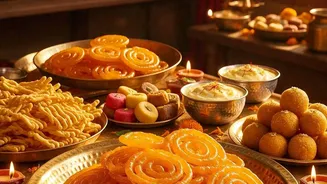
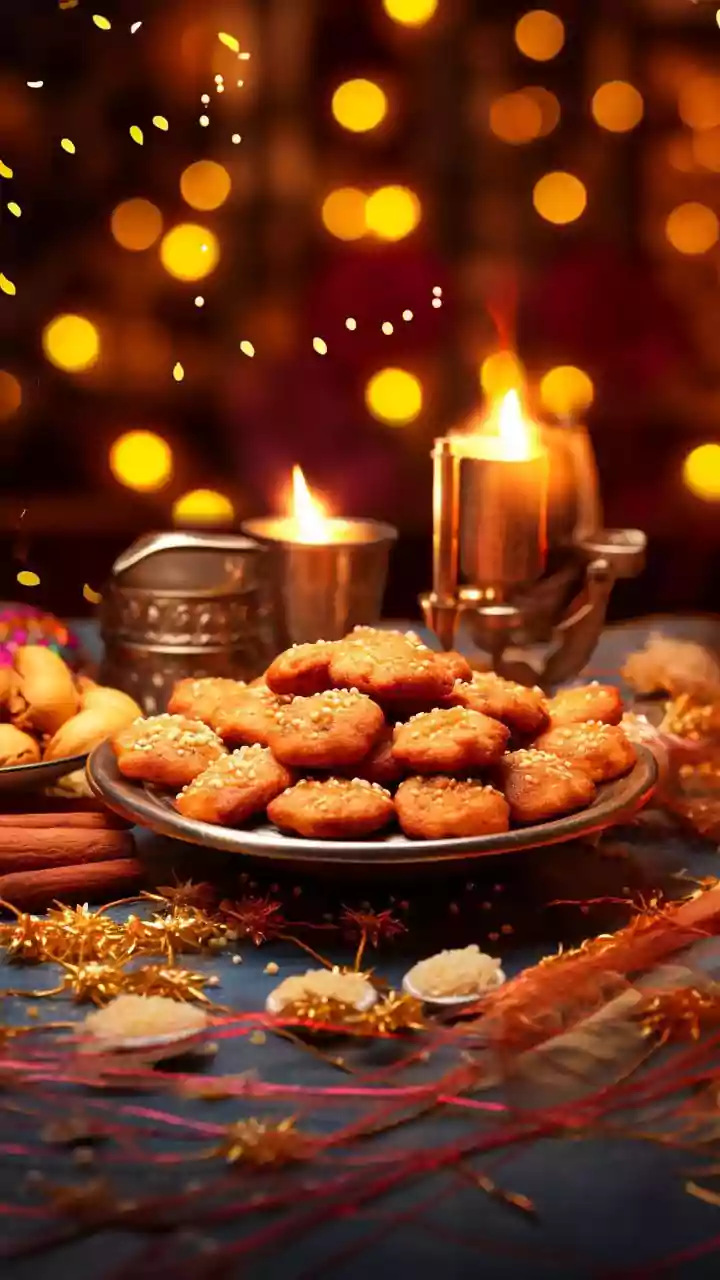
While the headline focuses on cold storage, it's important to note that not everything belongs in the fridge. Crispy, fried snacks like chakli, mathri, and chivda are best stored at room temperature. The cold, humid environment of a refrigerator can actually make them lose their crunch and turn soggy. The key for these items is an airtight container stored in a cool, dark, and dry place, away from any direct sunlight or heat. Ensure they are completely cool before sealing the container to avoid condensation. If stored correctly, these savoury treats can remain fresh and crispy for several weeks, providing a perfect crunchy contrast to the softer sweets.