








The Invisible Stressor: Air Pollution's Mental Toll
While the physical effects of Delhi's toxic air—coughing, eye irritation, and respiratory distress—are well-known, its impact on mental health is a growing concern. Research increasingly shows a direct link between exposure to air pollutants like PM2.5
and the risk of mental health issues in children, including anxiety and depression. These microscopic particles can enter the bloodstream, potentially causing neuroinflammation and disrupting brain development. Studies have noted that on days with higher pollution, emergency room visits for psychiatric problems in children increase. For a child whose brain is still developing, this constant environmental stress can manifest as irritability, fear, and a persistent feeling of being on edge.
The Digital Classroom’s Double-Edged Sword
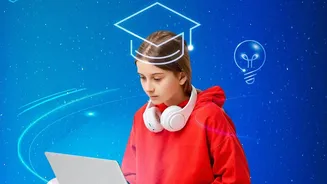
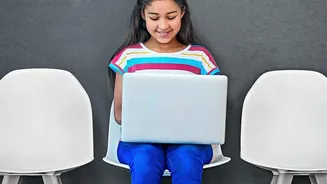
When schools shift to online classes to protect children from hazardous air, one problem is swapped for another. The shift to remote learning, while necessary, comes with its own set of psychological stressors. Hours spent in front of a screen lead to 'Zoom fatigue', cognitive overload, and a documented increase in anxiety. This mode of learning demands rapid task-switching and sustained attention in a way that can exhaust a child's brain. More importantly, it removes the crucial element of in-person social interaction. Children lose the camaraderie of the classroom, peer-to-peer learning, and the simple joy of playing with friends, leading to feelings of loneliness and social isolation that can worsen anxiety.
When Home Becomes a Confined Space
For a child, 'stay indoors' is a simple instruction with complex consequences. Children, especially younger ones, need physical movement to develop and regulate their emotions. Being confined indoors for weeks strips them of this essential outlet. The lack of running, jumping, and free play can disrupt sleep patterns and lead to a build-up of pent-up energy, which often emerges as restlessness, frustration, and mood swings. Physical activity is a natural mood booster, releasing endorphins that help manage stress. When this is taken away and replaced with sedentary screen time, the risk of anxiety and other mood issues increases significantly. The home, once a sanctuary, can start to feel like a cage, amplifying feelings of being trapped.
Recognising the Warning Signs in Your Child
Anxiety in children doesn't always look like adult worry. Parents should watch for subtle changes in behaviour. Common signs include increased irritability or anger, difficulty concentrating, and changes in sleep patterns, such as trouble falling asleep or waking up frequently. Some children may withdraw and become unusually quiet, while others might complain of physical symptoms like frequent headaches or stomach aches that have no clear medical cause. A sudden fear of being alone, increased clinginess, or a loss of interest in activities they once enjoyed are also red flags. Recognizing these signs early is the first step toward providing the right support.
How Parents Can Help Mitigate the Anxiety
While you can't control the city's AQI, you can create a supportive environment at home. First, maintain a predictable routine to give your child a sense of security. Schedule regular breaks from screens and encourage tech-free time. Critically, find ways to incorporate vigorous physical activity indoors; an indoor obstacle course, dancing, or animal walks can help release pent-up energy. Ensure your home is a 'clean air zone' by using air purifiers and keeping windows closed during peak pollution hours. Most importantly, maintain open communication. Talk to your children about their fears and validate their feelings of frustration and worry. A healthy diet rich in antioxidants and proper hydration can also help the body cope with pollutants.