




The Rise of Bodyweight Fitness
The fitness landscape has shifted dramatically. Once, getting in shape was synonymous with signing up for a gym, hiring a trainer, and navigating complex machinery. Today, millions are embracing a simpler, more accessible approach: no-equipment training.
This trend, largely accelerated by the stay-at-home culture during the pandemic, has proven its staying power. It's driven by a desire for convenience, affordability, and flexibility. Why commute to a gym when you can get a comprehensive workout in your living room in 30 minutes? This back-to-basics movement champions calisthenics and bodyweight exercises, focusing on what our bodies are naturally designed to do—push, pull, squat, and lunge.
The Benefits of Ditching the Dumbbells
The appeal of no-equipment training goes beyond just saving money. It's about functional fitness—training your body for the movements you perform in daily life. This approach builds relative strength (how strong you are for your size), improves balance, enhances flexibility, and strengthens your core in a way that isolated machine exercises often can't. Furthermore, the risk of injury can be lower for beginners, as you're not trying to manage heavy weights with improper form. You learn to master your own body's mechanics first. It’s a democratic form of fitness, available to anyone, anywhere, anytime, regardless of their income or proximity to a gym.
The Ultimate Bodyweight Starter Kit
Getting started is simple. The key is to focus on compound movements that work multiple muscle groups simultaneously. These five exercises form a powerful foundation for any no-equipment routine.
1. **Push-ups:** The classic upper-body exercise. It targets your chest, shoulders, and triceps while engaging your core. Can't do a full one? Start on your knees or do them against a wall and work your way down.
2. **Squats:** The undisputed king of lower-body exercises. Squats build strength in your quads, hamstrings, and glutes. Focus on keeping your chest up and sinking your hips back and down as if sitting in a chair.
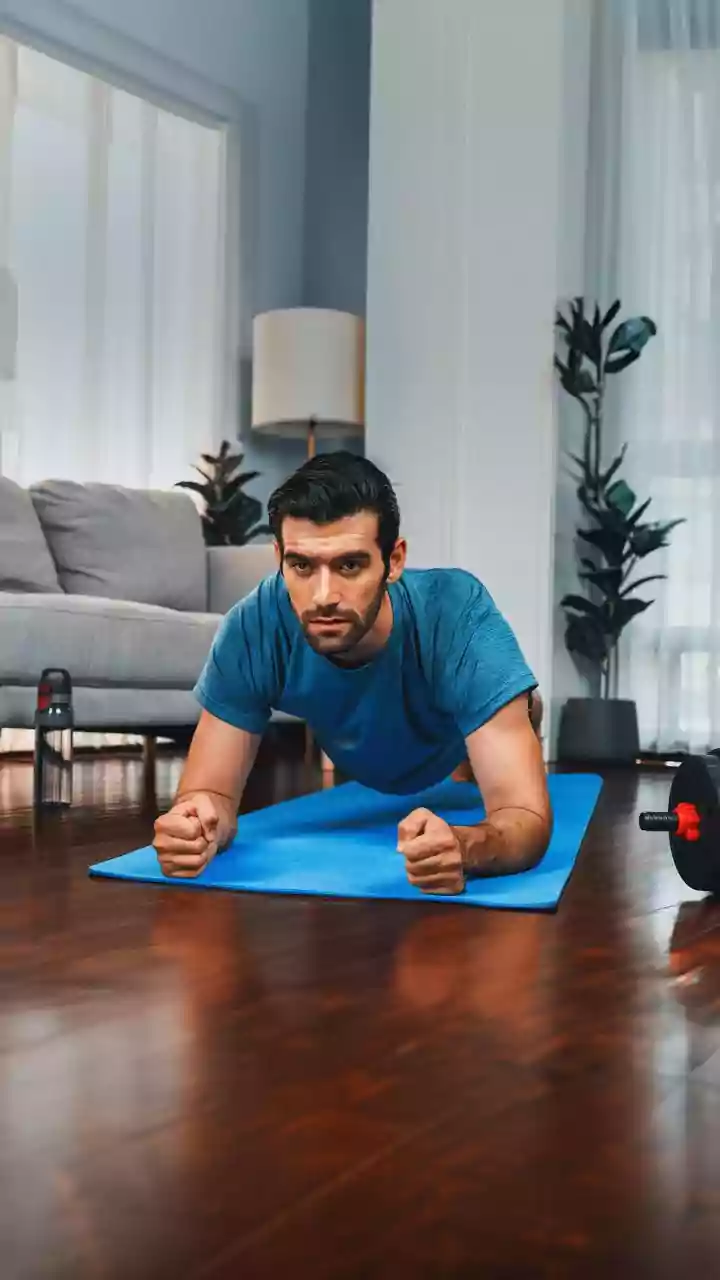
3. **Plank:** A test of core strength and stability. The plank works your entire midsection, including your abs, obliques, and lower back. Aim to hold a straight line from your head to your heels.
4. **Lunges:** Perfect for challenging your balance and building single-leg strength. Lunges target your glutes and quads while improving hip mobility. Try forward, reverse, and lateral lunges for variety.
5. **Burpees:** A full-body challenge that combines a squat, a push-up, and a jump. They are fantastic for building cardiovascular endurance and explosive power. If a full burpee is too much, you can step back instead of jumping and skip the push-up.
How to Build a Simple Routine
Consistency is more important than intensity when you're starting out. You don't need to spend hours exercising. A simple and effective way to structure your workout is to use a circuit format. Pick three to five exercises from the list above. Perform each exercise for a set number of repetitions (e.g., 10 push-ups, 15 squats) or for a set amount of time (e.g., 30 seconds of lunges, 30 seconds of plank). Once you've completed all the exercises, that’s one circuit. Rest for 60-90 seconds, and then repeat the circuit two or three more times. Aim to do this routine three days a week on non-consecutive days to give your body time to recover and rebuild.