




The Unassuming Kitchen Superstar
Flaxseeds, or alsi, are tiny, but their nutritional profile is enormous. For centuries, they have been valued for their health benefits, but they are now experiencing a modern resurgence, and for good reason. These small seeds are one of the richest plant-based
sources of alpha-linolenic acid (ALA), a type of omega-3 fatty acid crucial for heart and brain health. They are also packed with dietary fibre—both soluble and insoluble—which aids digestion, promotes a feeling of fullness, and helps regulate blood sugar. Furthermore, flaxseeds are the number one source of lignans, a group of compounds with powerful antioxidant properties. This combination of healthy fats, fibre, and antioxidants makes them a true superfood that is both inexpensive and widely available.
Why Dal Is The Perfect Vehicle
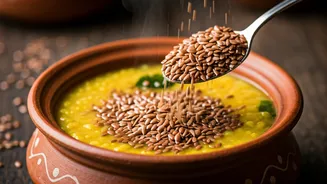
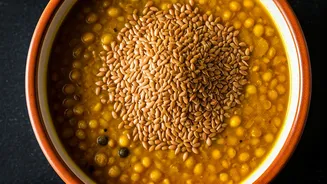
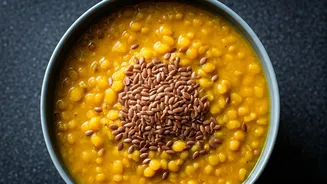
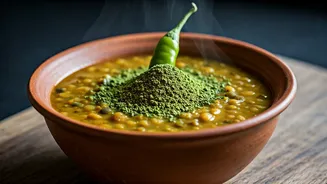
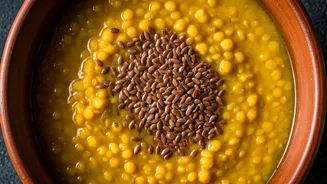
The genius of this health hack lies in its simplicity and seamless integration into a daily staple. Dal, with its earthy flavours and comforting, thick consistency, provides the perfect canvas for flaxseeds. When flaxseeds are ground into a fine powder, they blend almost invisibly into a bowl of hot dal. Unlike adding them to a smoothie or yoghurt where the texture can be noticeable, the texture of cooked lentils easily masks the ground seeds. The nutty, subtle flavour of flax is complemented by the spices in the dal, meaning it enhances rather than overpowers the dish. You get all the nutritional benefits without sacrificing the authentic taste of your favourite tadka dal, dal makhani, or sambar. It’s a stealthy way to upgrade a meal you already love.
Your Simple 'How-To' Guide
Incorporating flaxseeds into your dal is incredibly easy. The most important step is to use ground or crushed flaxseeds, not whole ones. The human body cannot break down the tough outer shell of whole flaxseeds, meaning the valuable nutrients inside will pass through your system undigested. You can buy pre-ground flax meal or simply grind whole seeds yourself in a coffee grinder or mixer just before use. For best results, stir one to two tablespoons of ground flaxseed into your bowl of dal right after it has been cooked and is still hot. Mix it in thoroughly until it dissolves. The heat from the dal helps the powder integrate smoothly. Start with a smaller amount, like one teaspoon per serving, and gradually increase as your digestive system gets accustomed to the added fibre.
But Does Heat Destroy The Nutrients?
This is a common and valid concern. It’s true that high, prolonged heat can degrade sensitive nutrients, including omega-3 fatty acids. However, the ALA found in flaxseeds is more stable than the omega-3s found in fish oil. Stirring the ground flaxseed into dal that is hot but no longer boiling is a relatively gentle process. The exposure to heat is minimal and brief, preserving a significant portion of the beneficial fatty acids. While some minor nutrient loss might occur, the vast majority of the fibre, lignans, and a substantial amount of the omega-3s remain intact. The immense benefits you gain far outweigh any minimal degradation from the residual heat of a serving of dal. The convenience and consistency of this method make it a worthwhile trade-off.
A Few Things To Keep In Mind
To get the most out of this habit, a few tips are helpful. First, because flaxseed is so high in fibre, it’s important to drink plenty of water throughout the day to help your digestive system process it smoothly. If you are new to flaxseed, start with a small dose and see how you feel before increasing the amount. Second, storage is key. Ground flaxseed can go rancid quickly due to its high fat content. Store it in an airtight container in the refrigerator or freezer to maintain its freshness and potency. Grinding small batches as needed is the ideal approach. Finally, while flaxseed is safe for most people, those with certain digestive conditions like diverticulitis or irritable bowel syndrome (IBS) may want to consult a doctor before significantly increasing their fibre intake.