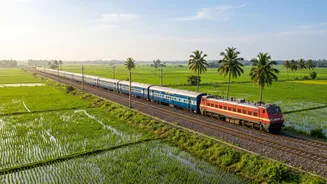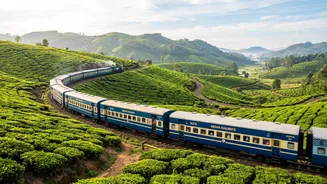


The Festive Travel Surge
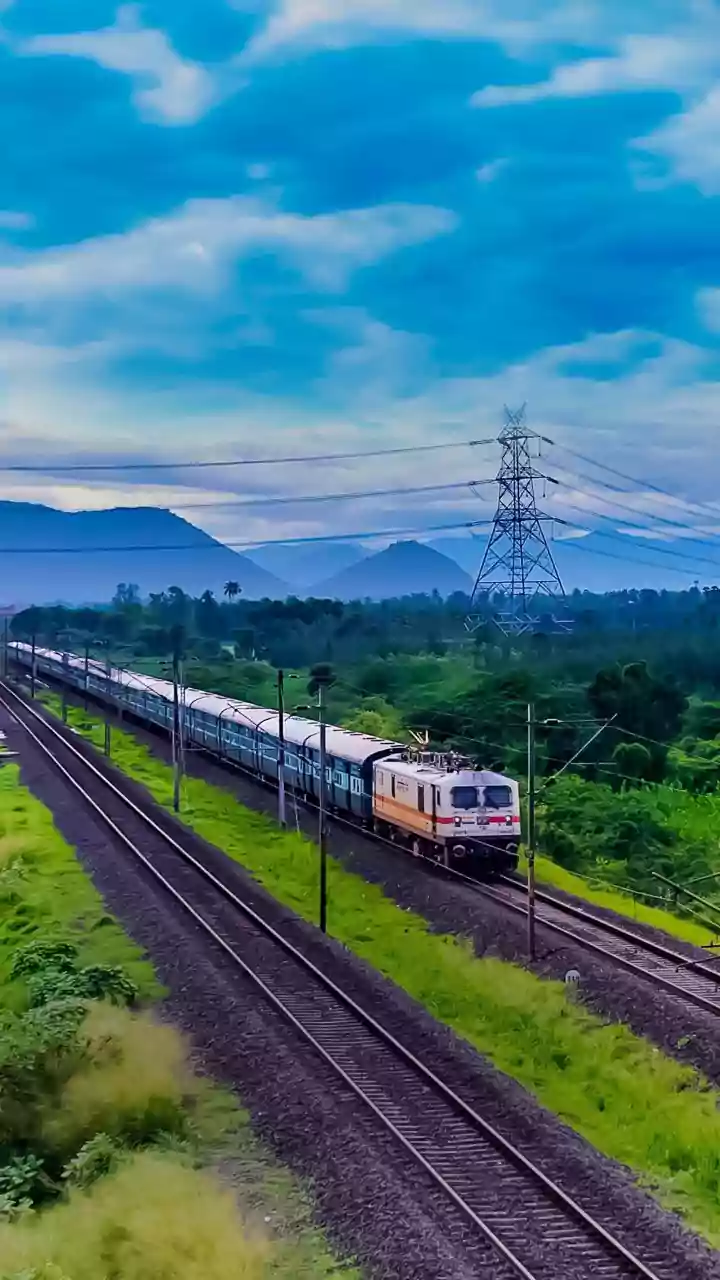
October marks the beginning of India's main festival season, creating a perfect storm for railway traffic. This year, the rush is amplified by Dussehra on October 20th and the lead-up to Diwali, which falls on November 8th. This period sees a massive
migration of people from metropolitan hubs like Delhi, Mumbai, and Bengaluru to their hometowns, particularly in states like Uttar Pradesh, Bihar, and West Bengal. Consequently, demand for train tickets skyrockets, with reservations on popular routes often selling out within minutes of the booking window opening. This annual surge is a predictable phenomenon that requires strategic planning from anyone intending to travel by train.
Your Booking Strategy: Plan Ahead
Securing a confirmed ticket during the festival season is a challenge, but not an impossible one. The golden rule is to book early. Indian Railways opens reservations 120 days in advance, and being ready to book the moment the window opens is crucial. For last-minute plans, the Tatkal and Premium Tatkal quotas are an option, though they come at a higher cost and are highly competitive. To manage the rush, Indian Railways has announced over 100 special festival trains across various zones for October and November. These services add much-needed capacity on high-demand corridors, connecting major cities like Delhi, Mumbai, Kolkata, and Chennai with numerous destinations. Travellers should regularly check the IRCTC website and official railway announcements for these special services.
High-Traffic Routes and Alternatives
Certain routes become exceptionally congested during the festive period. Lines connecting Delhi to Patna, Mumbai to Lucknow, and services from major cities towards eastern India are notoriously busy. Stations like Howrah Junction, Sealdah, New Delhi, and Chhatrapati Shivaji Maharaj Terminus see immense footfalls. If you find direct trains are fully booked, consider alternative strategies. One effective method is to book a 'break journey', splitting your trip into two legs. For instance, if a direct train from Delhi to Patna is unavailable, you might find a seat from Delhi to Kanpur, and then another from Kanpur to Patna. Exploring trains from alternate stations within the same city, such as Delhi's Anand Vihar Terminal instead of New Delhi Railway Station, can also yield better results.
Navigating Crowds and Connections
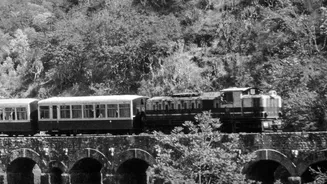
On your travel day, expect stations to be crowded. Arrive well in advance to avoid last-minute stress. Travelling light can make navigating packed platforms and coaches significantly easier. For safety, be vigilant about your belongings and use digital ticketing options like M-tickets to avoid long queues at counters. In terms of connections, the Indian Railways network is generally robust. However, the post-monsoon period can sometimes involve essential track maintenance, which may lead to minor delays. For example, significant repair work on the Kalka-Shimla heritage track has led to service suspensions until November 30th following heavy monsoon damage. It is always wise to check your train’s live running status using official railway apps or websites to stay updated on its schedule and any potential delays, ensuring you can manage your connections smoothly.