

Your Pre-Trip Vehicle Health Check
A safe trip begins before you even turn the key. A thorough vehicle inspection is non-negotiable for monsoon hill driving. Start with your tyres, as they are your only contact with slick roads. Ensure they have a tread depth of at least 3mm for better
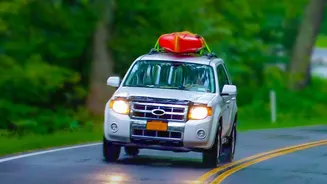
grip; anything less increases the risk of hydroplaning. Also check the tyre pressure, including the spare. Next, test your brakes. They are critical on wet surfaces where stopping distances can double. Your windscreen wipers must be in top condition to handle heavy downpours; if they leave streaks or chatter, replace them. Finally, check all your lights: headlights, tail lights, brake lights, and indicators. Low-beam headlights are crucial for visibility, even during the daytime, as they help other drivers see you through the rain and fog.
Smart Route Planning and Weather Checks
Before you set off, consult the latest weather forecasts from reliable sources like the India Meteorological Department (IMD). If heavy rainfall or severe weather is predicted for your route, it is safest to consider postponing your trip. Hill roads are susceptible to landslides and flash floods, which can cause long delays or dangerous situations. Plan your route to stick to major, well-maintained highways where possible, as they are generally safer and less prone to blockages than remote rural roads. Use tools like Google Maps to check for real-time traffic updates and reported road closures before and during your journey. Always inform a friend or family member of your intended route and expected arrival time. This simple step ensures someone knows your whereabouts in case of an unforeseen emergency.
On-The-Road Tactics for Wet Conditions
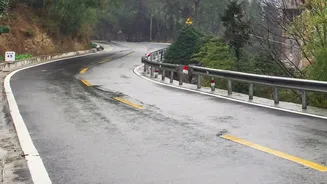
Once you are on the road, your driving style needs to adapt to the conditions. The most important rules are to slow down significantly and increase your following distance. Reducing your speed by about a third of the usual is a good rule of thumb. Braking distances are longer on wet roads, so maintaining a larger gap gives you more time to react. All your inputs—steering, accelerating, and braking—should be smooth and gentle to avoid losing traction. Avoid sudden movements. When navigating curves, slow down before you enter the turn, not while you are in it. Using a lower gear when driving downhill helps maintain control and prevents overuse of the brakes. Never use cruise control on wet or slippery roads, as it can reduce your ability to respond quickly if the car starts to skid.
Navigating Waterlogging and Landslide Zones
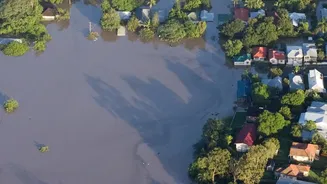
Driving through standing water is one of the biggest risks. It is often impossible to judge the depth of a waterlogged patch, which could conceal deep potholes, debris, or even open manholes. As a rule, if the water appears to be higher than the bottom of your car doors, do not attempt to drive through it. If you must proceed, do so in a low gear with steady, slightly higher engine revs to prevent water from entering the exhaust pipe. Be extra vigilant in areas with warning signs for landslides. Pay attention to your surroundings, looking out for trickles of mud or falling rocks, and listen for unusual sounds like trees cracking or rocks colliding. In such zones, avoid parking your vehicle near steep slopes or at the edge of cliffs.
The Essential Monsoon Emergency Kit
Being prepared for the unexpected can turn a potential crisis into a manageable inconvenience. Your monsoon emergency kit should be packed and easily accessible in your car. Key items include a comprehensive first-aid kit, a powerful torch with extra batteries, and a tow rope. Pack non-perishable snacks like energy bars and nuts, along with plenty of drinking water, in case you are stranded due to a road closure. A power bank for your mobile phone is essential for communication. It's also wise to have a few microfiber cloths to wipe condensation from windows and mirrors, a reliable umbrella, and a waterproof jacket. Finally, ensure all your vehicle documents, including your registration, insurance, and pollution certificate, are up to date and stored in a waterproof bag.