




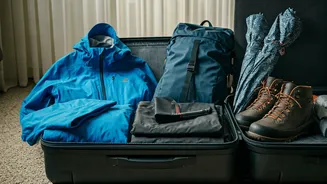


Choose Your Armour: The Right Outerwear
Your first and most important decision is your primary rain shield. While a bulky raincoat might seem like the obvious choice, consider a lightweight, breathable, and waterproof jacket. Look for materials like Gore-Tex or similar proprietary fabrics that
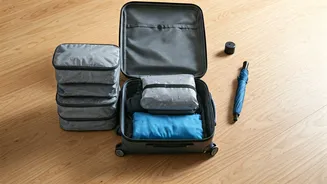
block water from getting in but allow sweat to escape, which is crucial in India's humid climate. A good jacket should have sealed seams and a well-designed hood. Alternatively, a high-quality poncho can be a versatile option. It covers both you and your backpack, provides excellent ventilation, and is easy to whip out during a sudden downpour. Whichever you choose, ensure it's compact enough to stuff into a daypack without a second thought.
Fabric Is Everything: Think Quick-Dry
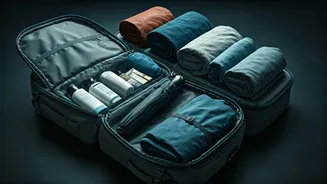
This is where most travellers go wrong. Cotton is your enemy during the monsoon. It absorbs moisture, takes forever to dry, and will leave you feeling cold and damp. Instead, build your travel wardrobe around synthetic fabrics like polyester, nylon, and merino wool. These materials wick moisture away from your skin and dry incredibly fast, often overnight in a ventilated room. Pack several pairs of synthetic-blend t-shirts, trousers, and socks. For evenings, a lightweight fleece is perfect for providing warmth without the bulk. The goal isn't to stay 100% dry at all times—that's often impossible—but to have clothes that recover quickly once you're back indoors.
Footwear That Won’t Fail You
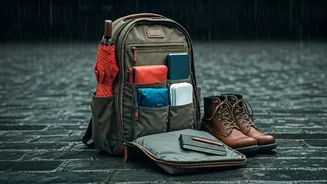
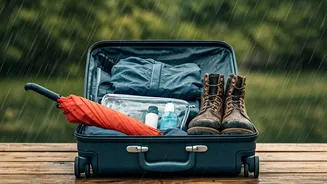
Slippery trails, muddy paths, and perpetual dampness can destroy a trip if your feet aren't happy. Leather shoes are a definite no—they get ruined by water. Instead, your best bet is a pair of sturdy sandals with excellent grip, often called 'floaters'. They allow your feet to dry quickly and are easy to clean. For more adventurous treks, consider lightweight, waterproof hiking shoes with deep lugs for traction. Avoid canvas sneakers at all costs. Always pack a pair of simple rubber flip-flops for use in your hotel room and for short walks. No matter what you choose, make sure they are well-worn and comfortable before you leave.
Protect Your Gear Like a Pro
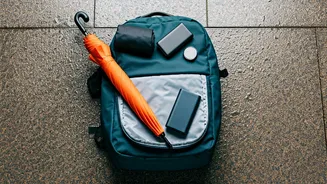
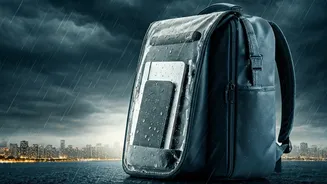
Water is the mortal enemy of electronics. Your packing strategy must include a multi-layered defence for your gadgets. Start with a waterproof backpack or, more practically, a reliable rain cover for your existing bag. Inside the bag, use dry bags or even simple zip-lock bags to compartmentalise and protect your phone, camera, power bank, and passport. A transparent, touch-friendly waterproof pouch for your phone is a small investment that pays huge dividends, allowing you to use your phone for navigation or photos even in a drizzle. Remember to also pack silica gel packets (the kind you find in new shoe boxes) and toss them into your electronics bags to absorb any ambient moisture.
The Monsoon Health & Comfort Kit
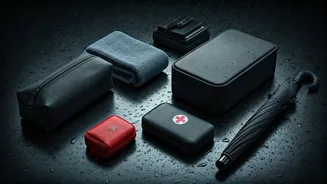
Rainy weather brings its own set of minor challenges. Mosquitoes and other insects thrive in damp conditions, so a strong insect repellent is non-negotiable, especially for destinations near forests or stagnant water. Your first-aid kit should be updated with antiseptic wipes, waterproof bandages, and a good anti-fungal powder to prevent skin issues caused by damp clothing and shoes. A small, quick-dry travel towel is far more practical than a bulky cotton one. Finally, consider packing a few sachets of electrolyte powder or ORS. The humidity can make you sweat more than you realise, leading to dehydration.