







When the temperature drops, reaching for a glass of water is often the last thing on our minds. Yet, winter is a time of sneaky dehydration that can impact how you feel and look. Proper fluid intake is key to supporting your well-being.
The Sneaky Dehydration of Winter
Dehydration is
often associated with summer heat and sweat, but it's a significant risk during colder months. Several factors work against us. First, our thirst response can decrease by up to 40% in the cold, meaning we don't feel the urge to drink even when our body needs fluids. Second, the cold, dry air outside and the heated air inside both pull moisture from our bodies. We lose a surprising amount of water just by breathing as our lungs work to warm and humidify the air we inhale. This constant, invisible fluid loss can lead to mild but chronic dehydration, causing everything from fatigue to chapped skin.
Fueling Your Digestive Fire
Proper hydration is essential for a happy digestive system, especially when we tend to eat heavier foods in winter. Water helps the body break down food, absorb nutrients, and keep waste moving through the digestive tract. When you're dehydrated, your body tries to conserve water by pulling more of it from your colon. This can result in harder stools, leading to constipation, bloating, and abdominal discomfort. Staying hydrated ensures your gut has the fluid it needs to function smoothly, helping to prevent common issues like indigestion and keeping your gut microbiome in a healthy balance.
A Natural and Lasting Energy Boost
Feeling sluggish and tired during the winter isn't just about the shorter days. Even mild dehydration can make you feel exhausted. Water is crucial for circulation, transporting oxygen and nutrients to your brain and muscles. When you're low on fluids, your blood volume can decrease, forcing your heart to work harder to pump blood through your body. This extra effort consumes energy, leading to fatigue, reduced focus, and even moodiness. By drinking enough water, you support efficient circulation and oxygen delivery, which helps maintain consistent energy levels throughout the day without the crash that comes from sugary or caffeinated drinks.
Your Skin’s Best Winter Friend
Winter can be tough on skin, leaving it dry, flaky, and dull. While topical moisturisers are helpful, true skin health starts from within. Dehydrated skin loses elasticity and plumpness, which can make fine lines and wrinkles appear more prominent. Water consumed orally travels through your bloodstream to reach the skin cells, supporting their function and integrity. While drinking water won't instantly fix a compromised skin barrier, staying consistently hydrated supports the background processes that keep skin healthy, like flushing out toxins and delivering nutrients. For those who are regularly dehydrated, increasing water intake can improve skin density and thickness, contributing to a healthier, more resilient complexion.
Simple Tips for Staying Hydrated
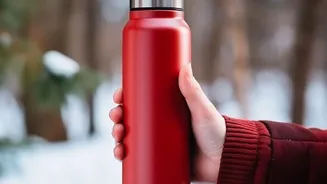
Making hydration a conscious habit is key during winter. Start by keeping a water bottle at your desk or in your bag as a visual reminder. If cold water isn't appealing, try warm beverages like herbal tea or simply hot water with a slice of lemon or ginger. You can also 'eat' your water by incorporating hydrating foods into your diet, such as soups, broths, and fruits and vegetables like oranges, cucumbers, and tomatoes. Another helpful tip is to use a humidifier in your home or office to add moisture back into the dry indoor air, which helps reduce water loss from your skin and respiratory system.