








Curry Leaf (Kadi Patta)
A staple in Indian cuisine, the Curry Leaf plant (Murraya koenigii) is a must-have for any sensory garden. Its glossy green leaves release a complex, nutty, and slightly pungent aroma when crushed or sizzled in hot oil. Beyond its culinary uses, the fragrance
is uniquely invigorating. This tropical to subtropical plant loves warmth and at least six to eight hours of direct sunlight daily. It thrives in well-drained soil and is best grown in a clay pot to prevent waterlogging, a common issue that can harm the plant. Water only when the top inch of soil feels dry, as overwatering is a frequent mistake. Regular pruning of the top leaves will not only provide you with fresh flavour for your dishes but also encourage the plant to grow bushier and more lush.
Holy Basil (Tulsi)
Revered in India for its spiritual and medicinal properties, Tulsi is a powerhouse of fragrance. Several varieties exist, each with a distinct scent, but the most common ones offer a fresh, peppery, and clove-like aroma. The leaves of 'Krishna' Tulsi, a variety of holy basil, are particularly aromatic. Simply walking past a healthy Tulsi plant can be enough to catch a whiff of its purifying scent, especially on a warm day. It is relatively easy to grow, preferring full sun and well-drained soil. It’s a versatile plant that does well both in pots on a sunny balcony and in garden beds. Regular pinching of its flowers encourages more leaf production, ensuring your supply of aromatic leaves for tea or just for a sensory boost.
Lemon Balm (Melissa officinalis)
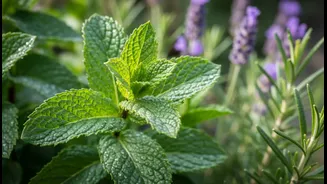
If you love citrus scents, Lemon Balm is an essential addition to your garden. A member of the mint family, its crinkled, heart-shaped leaves release a powerful, sweet lemon fragrance when bruised. It’s an incredibly refreshing aroma that can have a calming effect. In India, it is often cultivated in cooler regions like Kashmir and Uttarakhand, but it can be grown in pots elsewhere. It prefers morning sun and some afternoon shade in hotter climates, as intense heatScented Geraniums (Pelargonium) can cause it to wilt. Like other mints, Lemon Balm can be invasive, so growing it in a container is a wise choice to keep its spread in check. Regular trimming will promote a bushier plant and prevent it from getting spindly.
Scented Geraniums (Pelargonium)
Often mistaken for the common flowering geranium, Scented Geraniums are grown primarily for their incredibly fragrant foliage rather than their small flowers. The variety of scents is astonishing, ranging from rose and lemon to mint, apple, and even chocolate. Brushing against the velvety leaves releases their potent essential oils. These plants are widely cultivated in Indian states like Uttar Pradesh and Punjab and can be grown in home gardens with care. They require well-drained soil and a sunny spot, though they appreciate partial shade in the intense afternoon heat of Indian summers. They are sensitive to frost and waterlogging, so planting them in pots with good drainage is ideal, allowing you to move them indoors during harsh weather.
Rosemary (Salvia rosmarinus)
This hardy evergreen herb is famous for its needle-like leaves that are packed with a piney, woody, and slightly peppery fragrance. The scent is released when you run your hands over the plant, making it a perfect choice for lining pathways. Rosemary is not just a culinary delight for flavouring roasted dishes; its aromatic oils are invigorating. It is a low-maintenance plant that thrives in full sun and requires well-drained, poor soil—it does not like to be over-watered. It grows well in many parts of India and can handle dry conditions once established, making it a resilient and rewarding addition to any garden.
The Art of Aromatic Placement
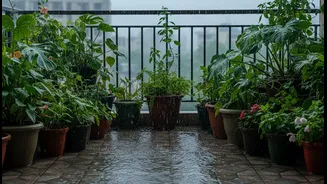
To make the most of your fragrant-leafed plants, strategic placement is key. Plant them along walkways, near doorways, or beside a patio seating area where you are likely to brush past them. The simple act of passing by will disturb the leaves and release their essential oils into the air. Grouping several aromatic plants together can also create a more immersive 'smellscape'. For those in apartments, placing pots of herbs like mint, tulsi, and lemon balm on a sunny windowsill not only provides fresh ingredients but also fills your home with natural fragrance every time you tend to them.