



It's About Timing, Not Just Quantity
The idea of a post-workout "anabolic window" where you must have a protein shake is overhyped. While protein is crucial for muscle repair after exercise, your body can't store it for later use like it does with fats or carbs. Instead of consuming one
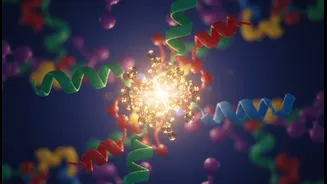
huge protein-heavy meal, experts suggest a more balanced approach. Research shows that muscle protein synthesis is more effectively stimulated when protein intake is distributed evenly throughout the day. Aiming for 20-40 grams of quality protein at each meal helps maintain a steady supply of amino acids, the building blocks your muscles need for repair and growth, keeping your body in an optimal state around the clock.
How Much Do You Actually Need?
The belief that you need one gram of protein per pound of body weight is a common myth, especially for those focused on general fitness rather than professional bodybuilding. The recommended dietary allowance for a less active adult is about 0.8 grams of protein per kilogram of body weight. For those who are regularly active, that number increases to a range of 1.2 to 2.0 grams per kilogram (or about 0.5 to 0.9 grams per pound). For a 70 kg person who exercises regularly, this translates to about 84 to 140 grams per day, spread across several meals.
More Than Just Muscle
The benefits of a smart protein strategy go far beyond the gym floor. Protein is the most satiating macronutrient, meaning it helps you feel fuller for longer. Including a good source of protein in your meals can help curb cravings, prevent overeating, and maintain stable energy levels by preventing the blood sugar spikes and crashes associated with high-carb meals. This not only aids in weight management but also supports sustained energy throughout the day, helping you feel more active and focused in all areas of your life.
The Plant vs. Animal Debate
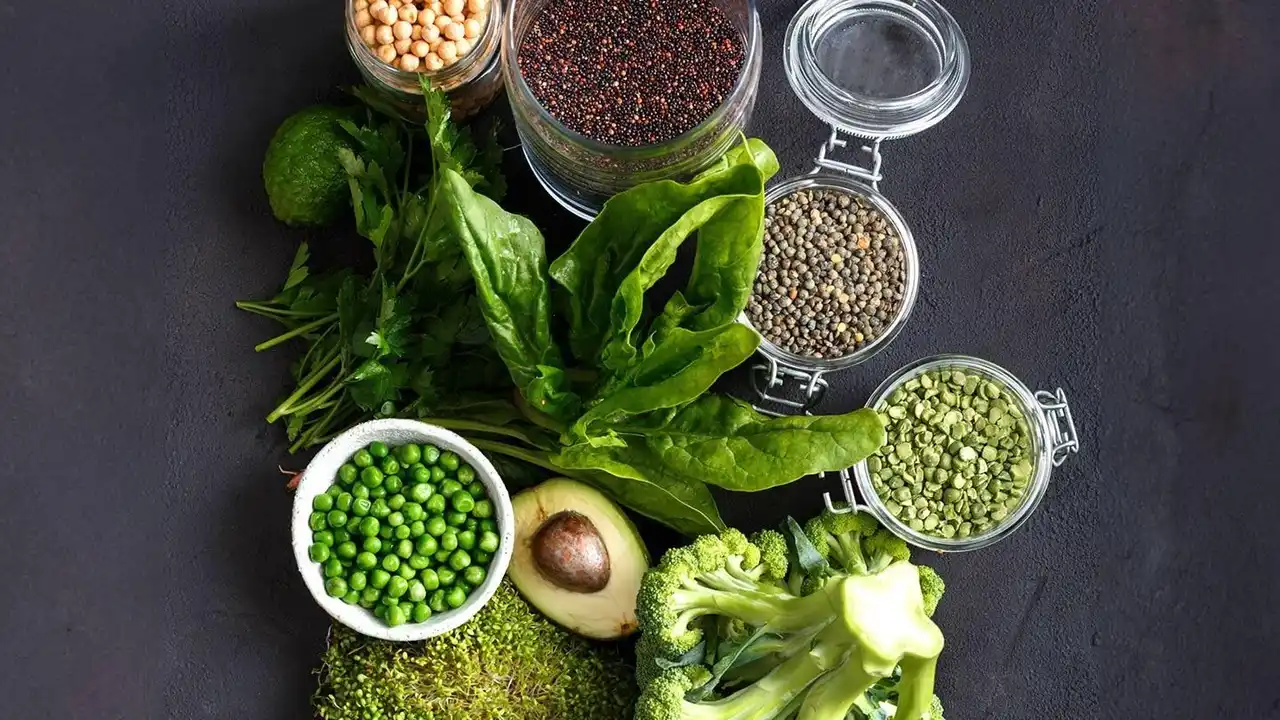
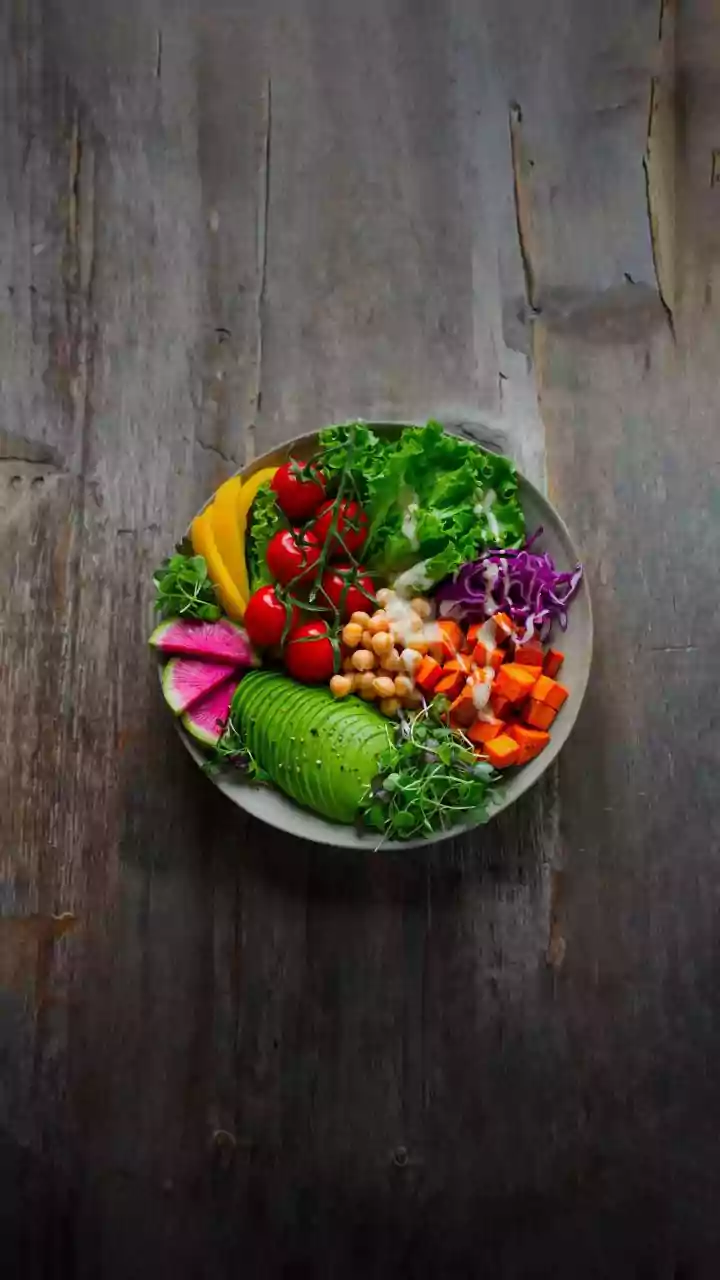
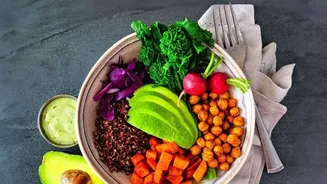
Animal proteins like meat, eggs, and dairy are considered "complete" proteins because they contain all nine essential amino acids your body can't produce itself. Most plant-based proteins are "incomplete," meaning they may be low in one or more of these essential amino acids. However, this doesn't mean a plant-based diet can't support your fitness goals. By combining different plant sources—like rice and beans or hummus and whole-wheat pita—you can easily get the full range of amino acids. Some plant proteins, like soy and quinoa, are complete on their own. While animal proteins might be slightly more efficient for muscle synthesis due to their amino acid profile, studies show that as long as total protein and calorie intake are sufficient, plant-based diets can be just as effective for building strength and muscle.