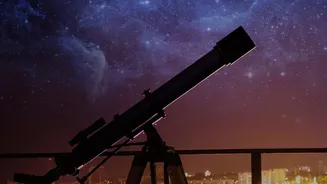







Think your city’s haze and bright lights block out the stars? Think again. November offers some of the clearest skies of the year, perfect for urban stargazing. Here's your guide to the cosmos, no telescope or travel required.
Why November Is a Prime Stargazing Month
For much of India, November
marks a sweet spot for looking up. The monsoon clouds have cleared, and the winter air is often crisper and less humid, leading to better atmospheric clarity. This means that even with the persistent glow of city lights, more celestial objects become visible. The longer nights provide an extended canvas for planets, constellations, and the month's special events to put on a show. It's the ideal time for a beginner to step out onto their terrace or rooftop and discover the universe hiding in plain sight.
Your Celestial Calendar: What to Watch For
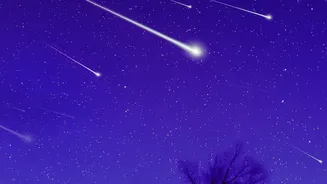
November 2026 is bustling with activity. First up are the Taurid meteor showers. The Southern Taurids peak around November 4-5, followed by the Northern Taurids around November 11-12. These showers are known less for their quantity and more for their quality, occasionally producing exceptionally bright and slow-moving 'fireballs'. The main event is the Leonid meteor shower, peaking on the night of November 17-18. While not a 'storm' year, you can expect to see up to 10-15 fast, bright meteors per hour after midnight from a dark location. The New Moon on November 9 provides the darkest skies, making it the best time of the month for spotting fainter objects. Keep an eye out for planets, too; Saturn is visible in the evening, while a pre-dawn alignment of Mercury, Venus, Mars, and Jupiter can be seen from around November 13-22.
Gearing Up: What You Really Need
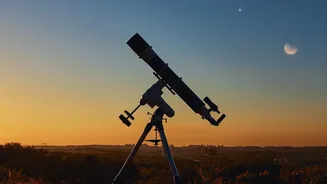
The most common misconception is that you need an expensive telescope. For a beginner, this isn't true. Your most important tools are your own eyes. Give them at least 20-30 minutes to adapt to the darkness, and avoid looking at your bright phone screen. If you do need to use your phone, turn the brightness all the way down or use a red-light filter mode, which many stargazing apps have. A comfortable chair or a blanket to lie on will save your neck from straining. Binoculars are a fantastic and affordable next step, powerful enough to reveal Jupiter's moons or craters on our own Moon. Finally, a good stargazing app like Stellarium or Sky Guide can act as your interactive map to the stars, helping you identify what you're seeing in real-time.
Battling the City Glow: Tips for Urban Stargazers
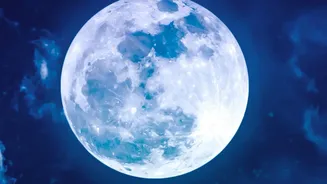
Light pollution is the urban stargazer's biggest challenge, but it’s not insurmountable. The key is to minimise its impact. Find the darkest spot on your rooftop, away from direct streetlights or building lights. If possible, block any nearby light sources from your direct line of sight. Even a wall or a large plant can help create a pocket of darkness. Patience is crucial. Your eyes' ability to see faint objects dramatically improves after they've fully adjusted to the dark. This simple act of dark adaptation can make the difference between seeing a handful of stars and seeing hundreds. Finally, focus on brighter objects. The Moon, planets like Jupiter and Saturn, and major constellations are all bright enough to cut through the city skyglow.
Smart Rooftop Practices
Before you head up, make a plan. Check the weather forecast for a clear night. Let someone know where you'll be, especially if you're going to be out late. Nights can get chilly even in warmer cities, so dress in layers and consider bringing a warm drink. When it comes to lighting on the rooftop itself, less is more. If you control the lights, turn them off. If you need a light to move around, use a torch with a red filter. Red light has less impact on your night vision compared to white light. Most importantly, be patient. Stargazing isn't about instant gratification. Some nights you might see a dazzling meteor, and other nights you might just enjoy the quiet presence of the stars. The experience itself is the reward.