



The Building Blocks of Health
Protein is fundamental to how our bodies grow, repair tissue, and function daily. But proteins themselves are made of smaller compounds called amino acids. Our bodies need 20 different amino acids to operate correctly. Of these, nine are considered 'essential'
because our bodies cannot produce them. We must get them from the food we eat. Animal products like meat, eggs, and dairy contain all nine essential amino acids in sufficient amounts, which is why they are called 'complete' proteins. This has led to the common concern that vegetarian diets might be lacking, but that couldn't be further from the truth when planned correctly.
The Myth of 'Incomplete' Plant Protein
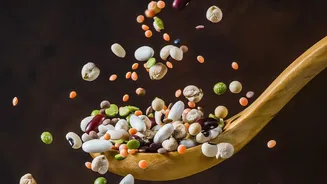
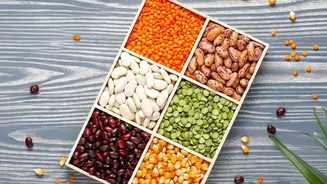
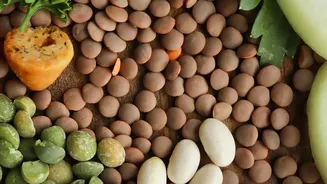
The idea that most plant foods are 'incomplete' can be misleading. In reality, nearly all plant foods contain all 20 amino acids, including the nine essential ones. The difference is in the proportions. Some plant foods might be low in one or two specific essential amino acids. For instance, many grains are lower in an amino acid called lysine, while legumes (like beans, lentils, and chickpeas) tend to be lower in another called methionine. This doesn't make them inferior, it just means that relying on a single plant source for all your protein needs isn't the best strategy. A varied diet is the key to ensuring you get a balanced profile of all essential amino acids.
A Perfect Partnership: Grains and Legumes
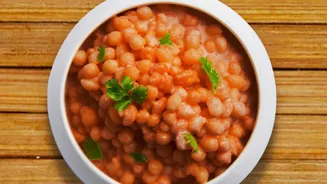
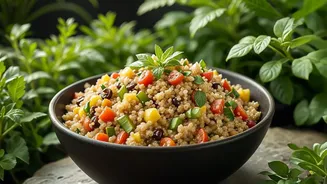
This is where the magic of combining whole grains and legumes comes in. The amino acid profiles of these two food groups complement each other perfectly. Grains, which are low in lysine, are typically rich in the sulfur-containing amino acids like methionine. Legumes, on the other hand, are packed with lysine but have lower levels of methionine. When you eat them together, they fill in each other's nutritional gaps. This combination creates a high-quality, complete protein profile that gives your body all the essential amino acids it needs for everything from muscle repair to immune function.
Do You Need to Pair Them at Every Meal?
An old dietary rule suggested you had to eat complementary proteins in the same meal to get the benefit. However, modern nutritional science has shown this to be a myth. Our bodies are quite efficient and maintain a pool of amino acids throughout the day. This means that as long as you consume a variety of plant proteins over the course of the day, your body can pull what it needs to form complete proteins. So, if you have dal for lunch and whole wheat roti for dinner, your body can still combine the amino acids. That said, eating them together is a simple, traditional, and delicious way to ensure you are consistently getting a balanced intake.
Classic Indian Pairings We Already Love
The wisdom of this food pairing is deeply embedded in Indian cuisine. Many of our most beloved comfort foods are perfect examples of combining grains and legumes. Think of the classic dal with rice, a staple across the country. Other delicious examples include rajma-chawal (kidney beans with rice), chana masala with roti or naan, and the wholesome one-pot meal khichdi, which is made from rice and lentils. South Indian staples like idli or dosa (made from fermented rice and lentils) served with sambar (a lentil-based stew) also fit this powerful nutritional model perfectly.
More Than Just Protein
The benefits of combining whole grains and legumes go far beyond just protein. This pairing is a powerhouse of nutrition. Both food groups are excellent sources of dietary fibre, which is crucial for digestive health, regulating blood sugar levels, and maintaining a healthy weight. They are also packed with essential minerals like iron, magnesium, and zinc, as well as B vitamins, which support energy levels and overall well-being. By making these combinations a regular part of your diet, you are not just building complete proteins but also fostering better long-term health, helping to reduce the risk of chronic conditions like cardiovascular disease and type 2 diabetes.