

What Exactly Is Shokupan?
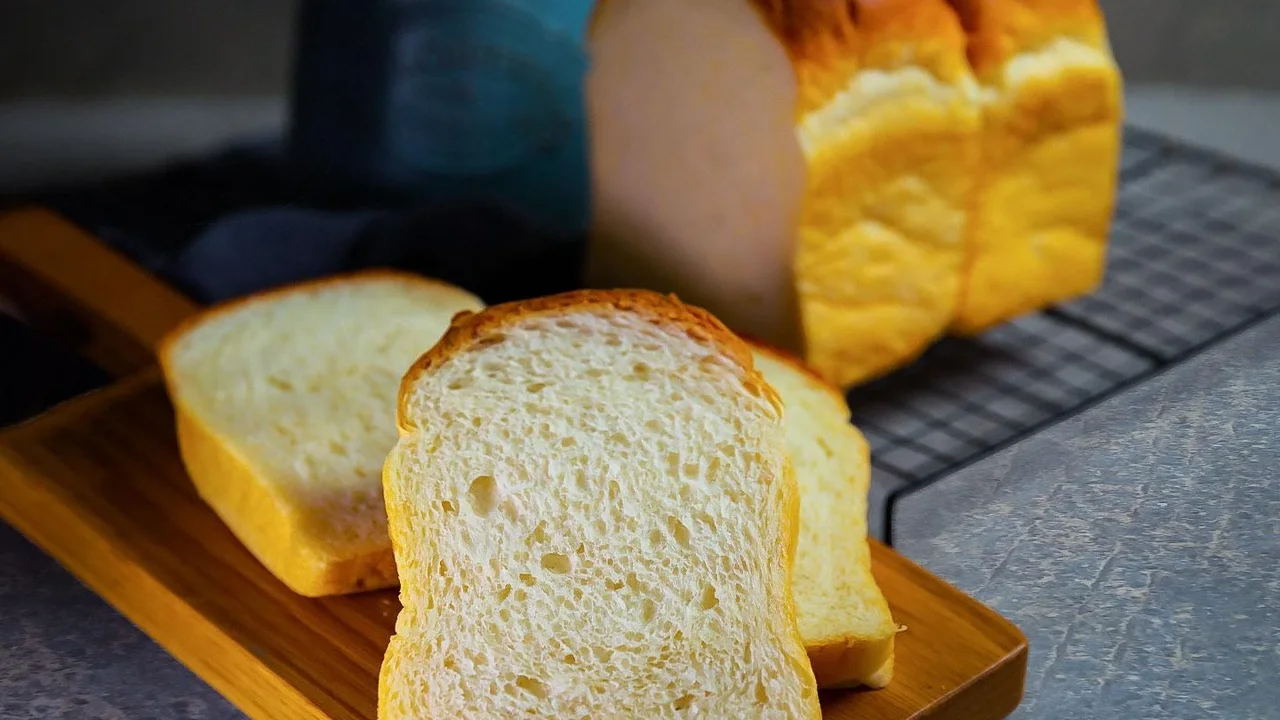
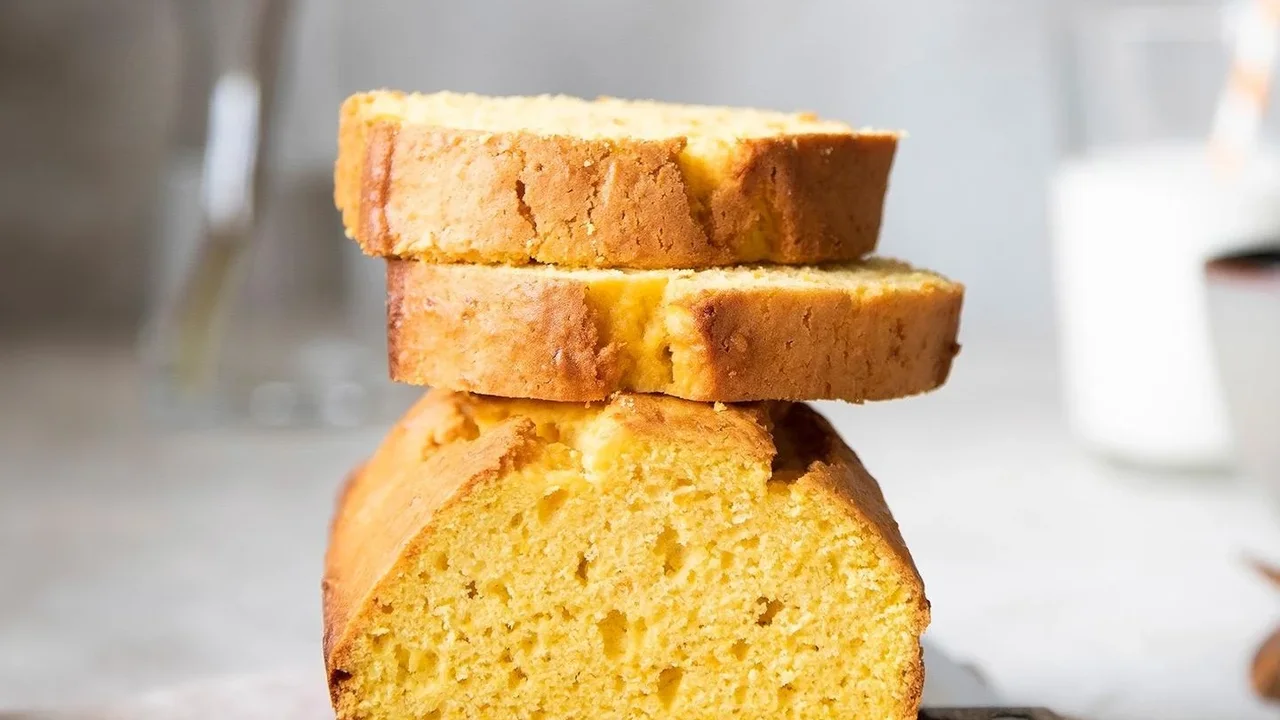
At first glance, shokupan might look like a simple loaf of white bread. But its texture and taste set it worlds apart. The name itself translates to "food bread," signalling its role as a delicious staple. Its defining characteristics are a cloud-like
softness, a delicate, slightly sweet flavour from milk and sugar, and a moist, springy crumb that stays fresh for days. The secret lies in a special baking technique called yudane or tangzhong, which involves pre-cooking a portion of the flour with a liquid. This process gelatinizes the starches, allowing the dough to retain more moisture. The result is an impossibly light and fluffy loaf, typically baked in a lidded Pullman pan to create its signature square shape with a soft crust.
A Slice of Japanese Daily Life
In Japan, shokupan is more than just bread; it's a comforting part of daily life. It’s a breakfast table mainstay, often served as thick-cut toast with just a simple spread of butter or jam. It's also the foundation for the beloved sando, the artful Japanese sandwich found everywhere from convenience stores to high-end cafes. From the iconic egg salad sando to the crispy katsu sando (pork cutlet), the bread's gentle sweetness and sturdy-yet-soft structure make it the perfect vessel. While rice remains the primary staple, bread is often seen as a modest luxury or treat, a role shokupan fills perfectly. The rise of premium bakeries in Japan, where a single loaf can be a coveted gift, cemented its status as an artisanal product.
From Tokyo to Delhi and Beyond
This obsession is no longer confined to Japan. Shokupan is popping up in artisanal bakeries and cafes in major cities worldwide, from London and New York to Singapore. The trend has firmly landed in India, with dedicated shops and bakeries bringing the authentic experience to a new audience. In New Delhi, a sandwich shop named Shokupan has gained a following for its authentic milk bread and creative sandos, made entirely in-house. Co-founder Sharmistha Mukherjee noted that as Indians have already embraced sushi and ramen, the goal is to make the Japanese sando the next big thing. This mirrors a global pattern where an appreciation for Japanese culinary craftsmanship is extending into its baking traditions.
The Secret to Its Global Appeal
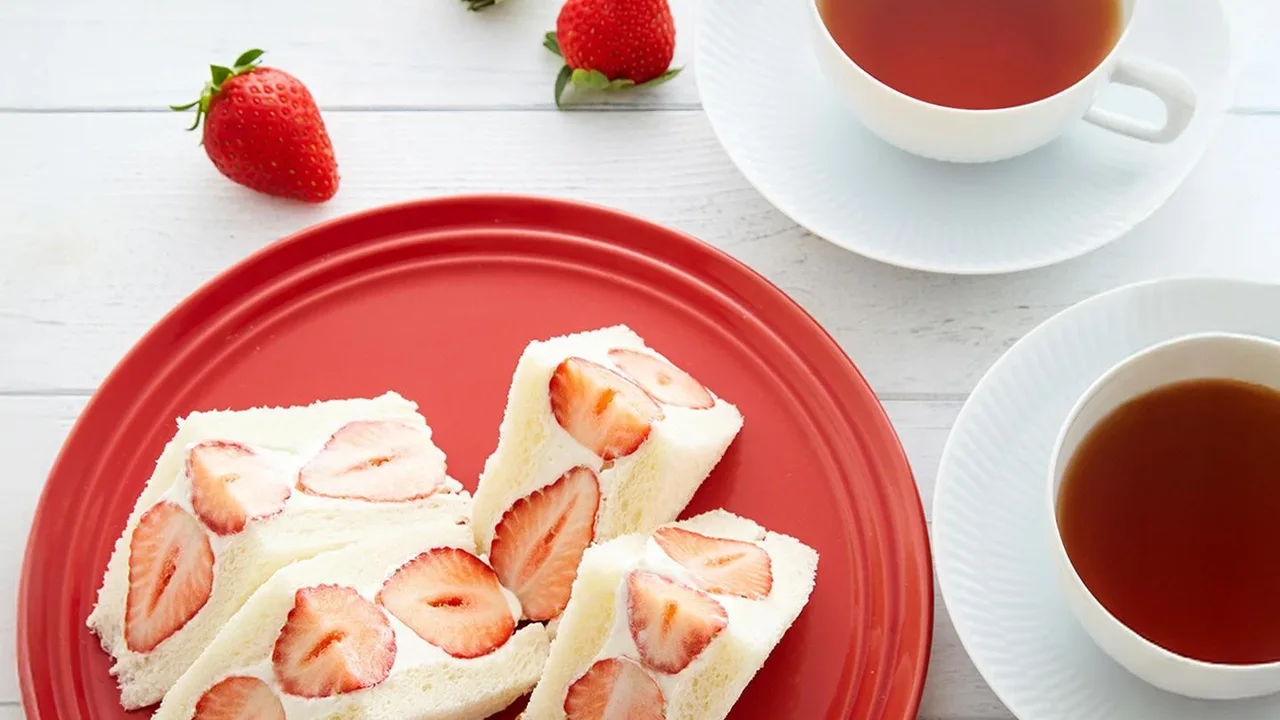
So, why is the world falling for shokupan now? Several factors are at play. First, its visual appeal is undeniable. A perfectly square, thick slice of white bread is an ideal canvas for social media, making it a star on platforms like TikTok and Instagram. Second, its versatility is a major draw. It shines as simple toast, but also elevates both savoury and sweet sandwiches, from gourmet burgers to the viral fruit sando, which features whipped cream and fresh fruit between two pillowy slices. Finally, the rise of shokupan aligns with a broader consumer trend: a desire for high-quality, thoughtfully made comfort foods. As one UK-based food developer noted, people have fallen in love with its signature fluffy, 'bounce-back' texture, seeking to bring a premium, restaurant-quality experience home.
How to Best Enjoy Shokupan
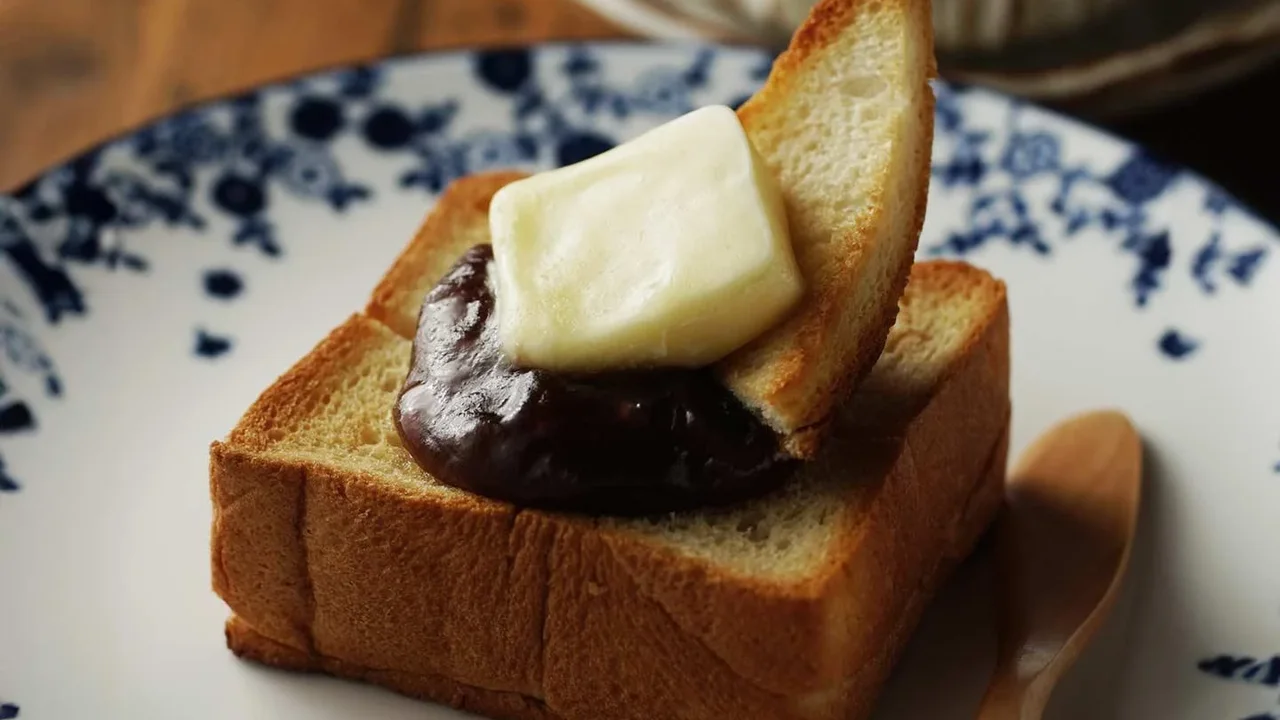
To truly appreciate shokupan, it's best enjoyed in thick slices that showcase its unique texture. Toasting it creates a delightful contrast between a lightly crisp exterior and a warm, moist interior that remains incredibly soft. A simple topping of high-quality butter allows its subtle sweetness to shine through. For a more substantial meal, it’s the ideal choice for creating your own Japanese-style sandwiches. In India, bakeries are already experimenting with local flavours, with fillings like paneer mustard making an appearance alongside classics like mushroom melts. Whether you find it at a local bakery or an online grocer, the experience is about savouring a simple product executed with incredible care.